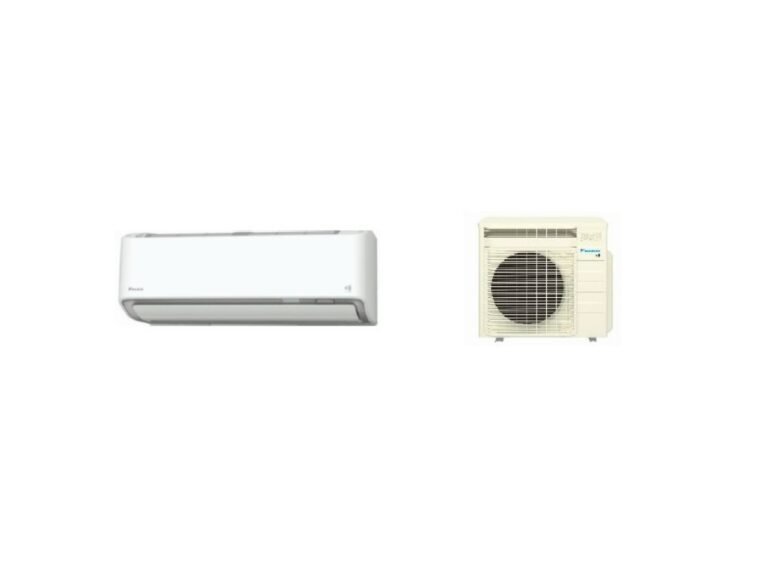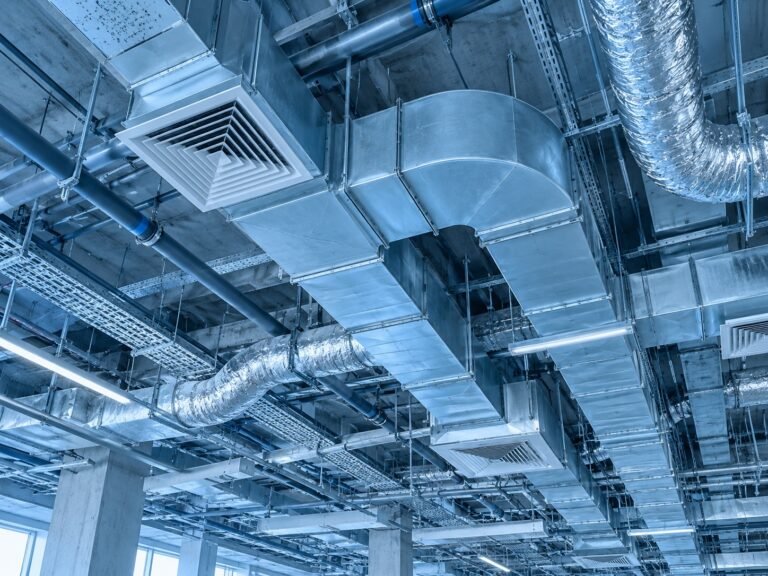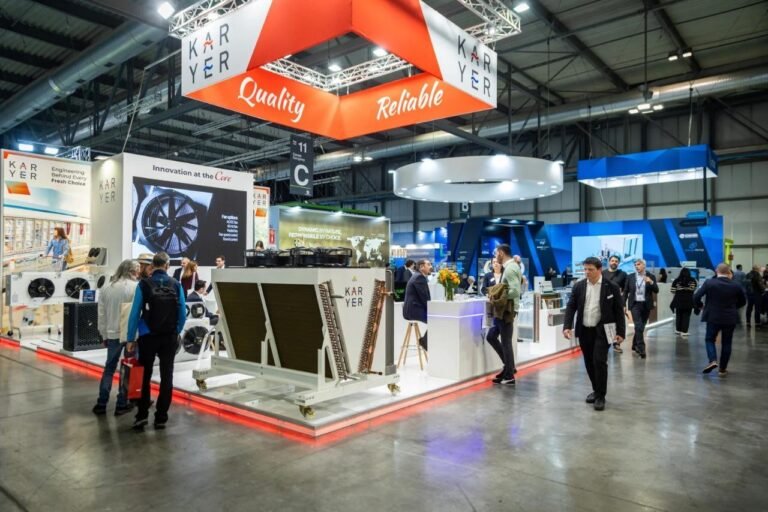
Ten international companies, including ABB, Danfoss and Johnson Controls, are calling on policymakers to adopt higher minimum energy performance standards (MEPS) for air conditioners and other key appliances, in a push to reduce energy use and emissions across the building sector.
The initiative is part of five global policy principles launched by the Climate Group’s Smart Energy Coalition, a network of over 100 companies committed to energy efficiency. The coalition urges greater support for the manufacturing, distribution and adoption of high-efficiency appliances such as air conditioners, refrigerators, freezers, and lighting systems, as well as improved building energy codes and industrial cooling practices.
Citing data from the International Energy Agency (IEA), the coalition notes that average appliance energy consumption must fall by 25% and energy use for heating and cooling in new buildings must be cut by 50% by 2030 to stay on track for net-zero goals by 2050.
According to the group, air conditioning is currently the fastest-growing source of energy demand in the building sector, with annual growth projected at nearly 4% until 2035 under existing policies.
Sara Vad Sørensen, Vice President, Head of Public Affairs at Danfoss, stated: “Cooling has become one of the fastest-growing sources of energy demand and emissions across the world. The technology to deliver highly efficient, low-emissions cooling already exists, but progress now depends on scale and implementation.”
Katie McGinty, Vice President and Chief Sustainability and External Relations Officer at Johnson Controls, emphasized the need for standards and data: “Higher standards, transparent data, smarter renovation, and innovative financing turn proven solutions into global scale.”
Anke Hampel, Group Head of Sustainability at ABB, added: “Energy efficiency is not an if, it’s a must. It is the low-hanging fruit we need to bridge our path to a future where all energy is clean energy.”
The Smart Energy Coalition’s five principles include raising MEPS, promoting energy management and reporting, supporting renovation and circularity, and expanding investment and financing mechanisms. The group highlights that energy efficiency remains one of the most cost-effective strategies to cut emissions, enhance energy security and improve system resilience.
At COP30, governments reaffirmed a 2023 pledge to double the rate of energy efficiency improvement by 2030. The coalition calls for urgent policy action to meet that target.