Data Centre Cooling
489 articles 12 insights
Data centre cooling has become a refrigeration problem at industrial scale: rack densities that air alone cannot hold, liquid and immersion systems moving from pilots into production, and heat rejection that neighbouring buildings now want back. Refindustry follows what is actually being installed: daily news, partner case studies, and the engineers designing these systems.
Insights on Data Centres
All Data Centres insights →
BITZER’s Martin Büchsel: “Whenever possible, go natural”
At Chillventa 2026 in Nuremberg, Sergei Mukminov, Editor-in-Chief of Refindustry.com, spoke with Martin Büchsel, Chief Sales and Marketing Officer of the BITZER Group, about some of the key developments shaping the HVAC+R industry. Büchsel discusses how BITZER is responding to different regulatory speeds across global markets, the growing role of natural and low-GWP refrigerants, and
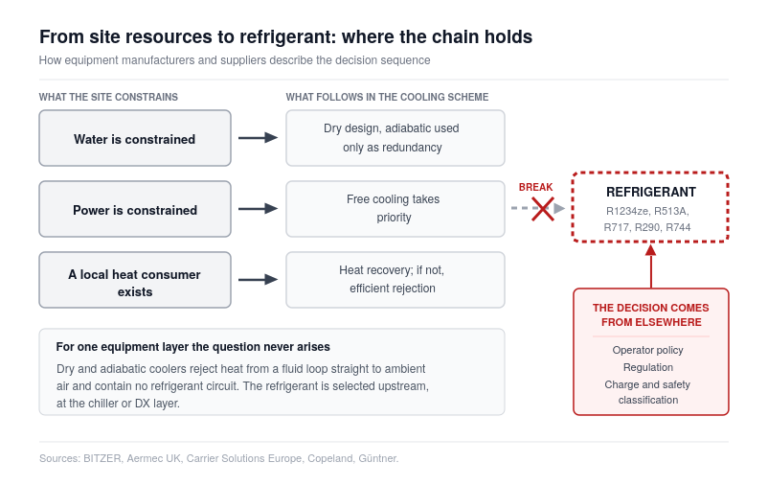
Data Center Cooling: The Site Decides the System, the Operator Decides the Refrigerant
The first part of this series traced a chain of decisions from public data and disclosed projects: what a site can supply in power, water, and demand for waste heat sets the cooling architecture, and the architecture narrows the refrigerant. This part puts that chain to six people who build and supply the equipment. The

Chillventa 2026 Preview: Key Technologies Ahead of the October Show
Update, 30 October 2026: Chillventa 2026 is over. Read what exhibitors told us at the stands in our post-show report, Chillventa 2026: What Exhibitors Said About Proving Efficiency in the Field. For the policy debate from the day before the show, see our CONGRESS report. Exhibitors arriving in Nuremberg on 13 to 15 October are
News on Data Centres
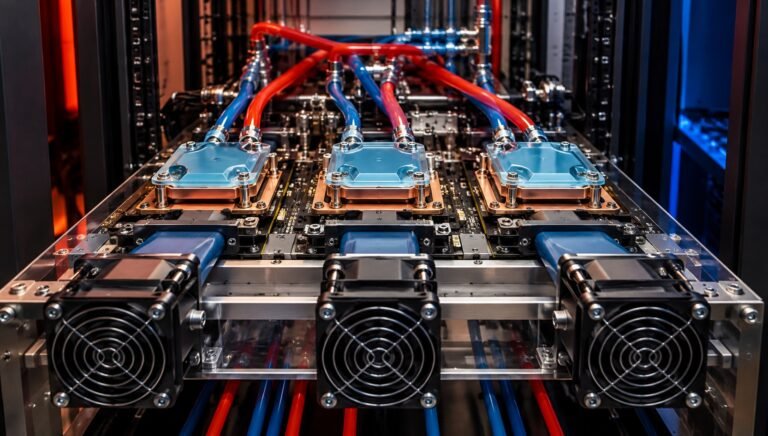
LUVE Joins COLLINS Project to Develop Digital Twin for AI Data Center Cooling
The three-year program will test cooling components under realistic AI workloads and publish validation methods and reference cases.

ASUS Introduces Liquid-Cooled NVIDIA HGX Rubin Servers for AI Data Centers
Hybrid and fully liquid-cooled designs target higher density, easier maintenance and more efficient AI infrastructure deployment.
Vertiv Acquires Ireland-Based KES to Expand Data Center Cooling Services
The deal adds commissioning, load testing and fluid management capabilities for liquid-cooled facilities across EMEA.
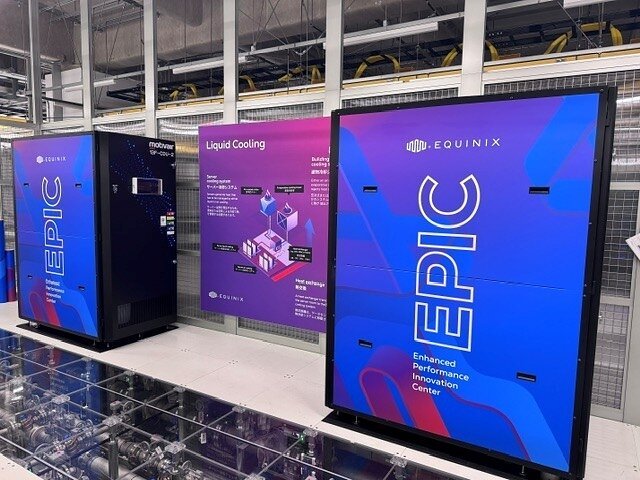
Equinix Launches Global Innovation Centers for Liquid Cooling and AI
Five active data center sites enable enterprises to test liquid-cooled GPU and CPU platforms under real-world operating conditions.
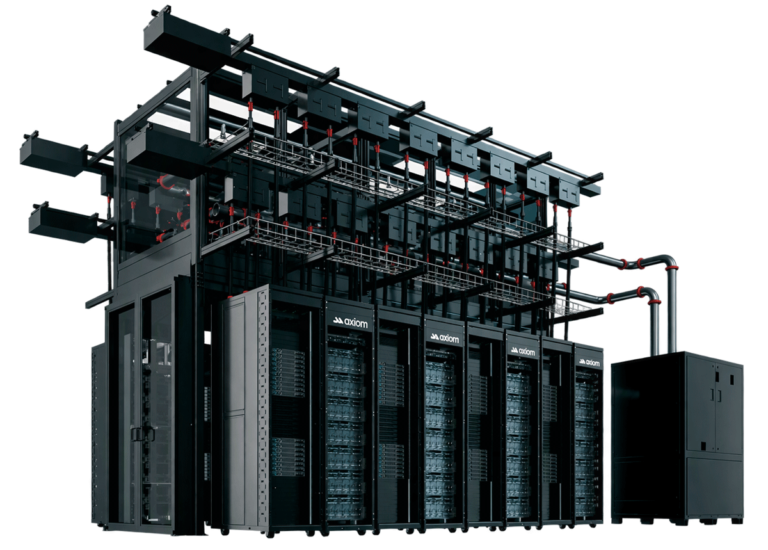
Flex Expands Modular Data Center Portfolio with Liquid Cooling for AI
Factory-built systems pair 800 VDC power racks, advanced CDUs and high-density IT racks to cut deployment timelines by up to 50%.
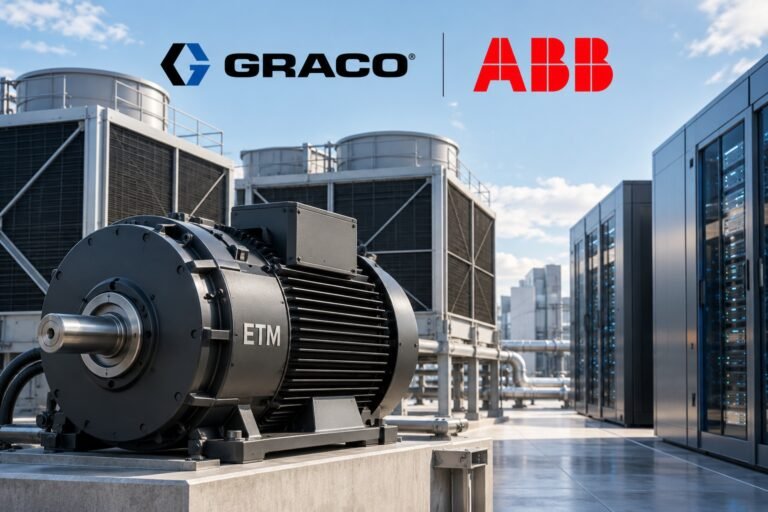
Graco’s ETM and ABB Partner on Motor Technology for Data Center Cooling
The partners aim to install TFM-based direct-drive systems in data centers by the end of 2029, targeting reliability and simpler maintenance.
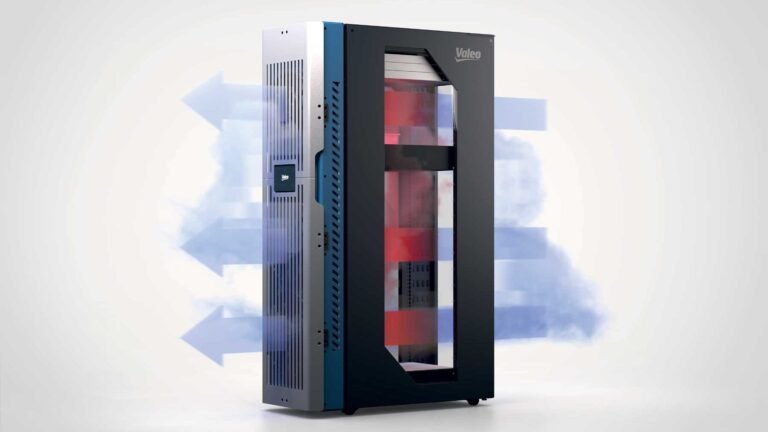
Valeo presents aluminum cooling technology for data centers in California
Valeo says its rear-door aluminum solution boosts cooling capacity by 38% and cuts fan electricity use by 25% versus copper.
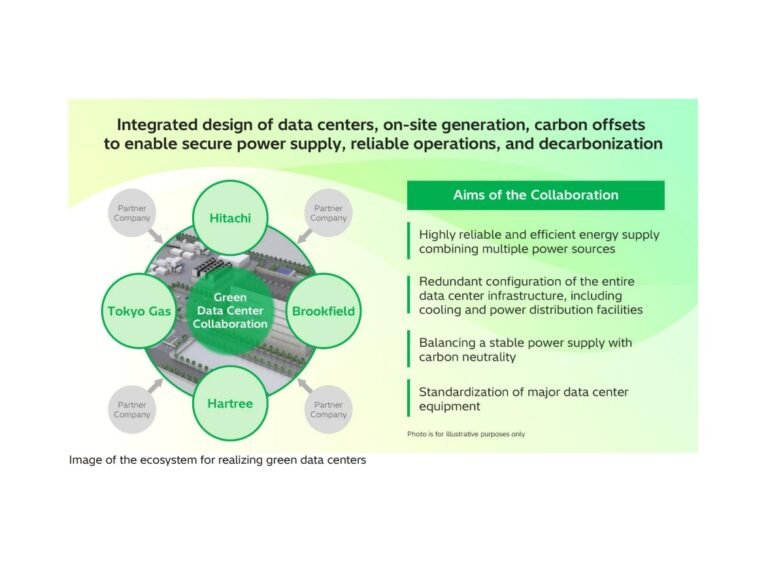
Hitachi, Brookfield, Hartree and Tokyo Gas to Develop Data Centers with Redundant Cooling in Japan
The partners will standardize modular facilities combining on-site generation, battery storage and grid power for projects in Kanto and Kyushu.
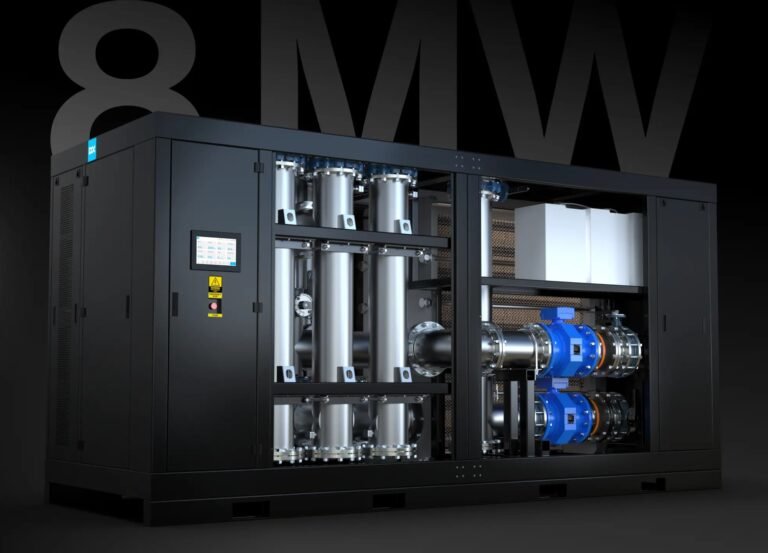
DCX Introduces 8 MW CDU with Integrated Coolant Quality Control
The FDU family supports flows up to 3,000 GPM and ASHRAE W45/W+ operation for hyperscale data centers and AI data halls.
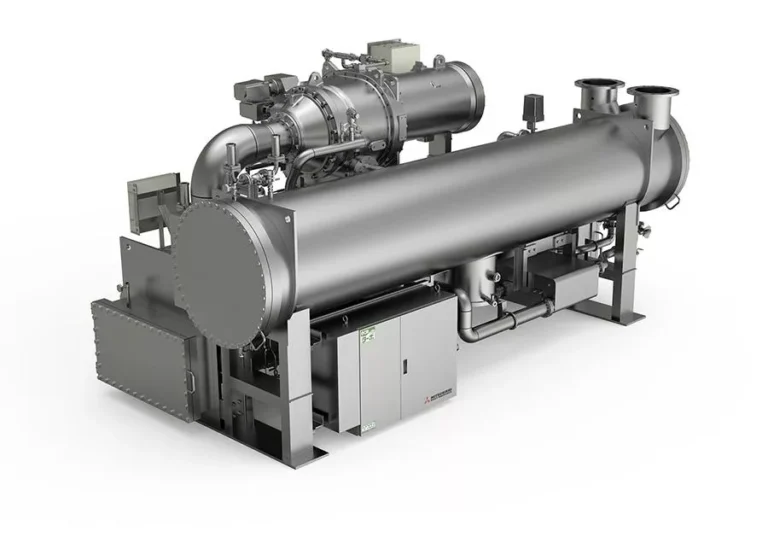
Mitsubishi Heavy Industries Certifies 10 MW Chiller for US Data Centers
The unit anchors MHI's modular platform, combining hybrid free cooling and closed-loop water systems for scalable AI infrastructure.

LG Partners with GS E&C and GRC to Develop AI Data Center Immersion Cooling
The companies will validate performance and reliability while creating integrated solutions and standardized data center designs.
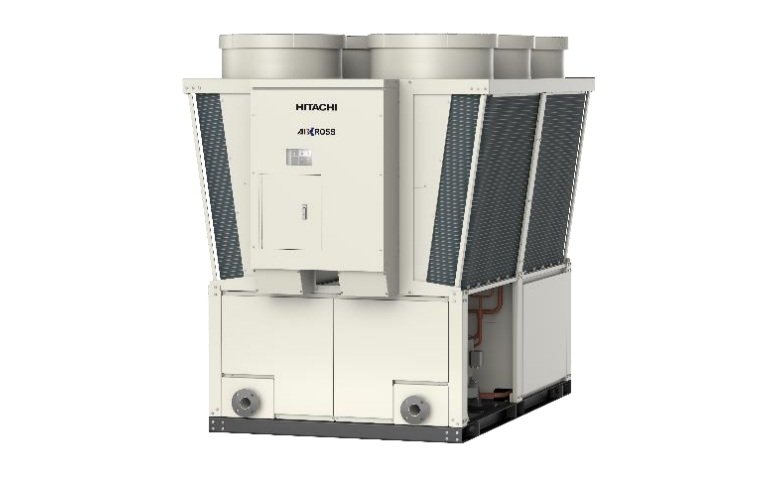
Hitachi to Launch AIXROSS Air-Cooled Chillers for Data Centers in April 2027
Hybrid refrigerant pump configurations target lower energy and water use, while modular controls support resilient, expandable cooling.