Carrier Transicold announced that it is bringing powerful new capabilities to its Lynx Fleet open ecosystem, which is now available for over-the-road owners, operators and leasing companies providing a new level of visibility, data and actionable insights across their entire portfolio so they can optimize their fleet and business operations.
Applying advanced IoT, machine learning and analytics, Lynx Fleet provides users with a new ability to monitor and manage their refrigerated transport, automate key processes and reduce logistics failures to increase performance and reduce total cost of ownership.
“Our customers have asked for a more connected cold chain to improve their fleet optimization and business operations,” said Victor Calvo, President, Truck Trailer International, Carrier Transicold. “We will continue to strengthen Lynx Fleet to further support our customers meeting their goals.”
Lynx Fleet offers the following software-as-a-service (SaaS) solutions:
- Improved operational, equipment and energy efficiency: Users can automate delivery appointments by triggering geo-fencing alerts at warehouse entrances, reduce energy use with two-way remote commands (e.g., defrost), and obtain diagnostics at a distance for faster maintenance.
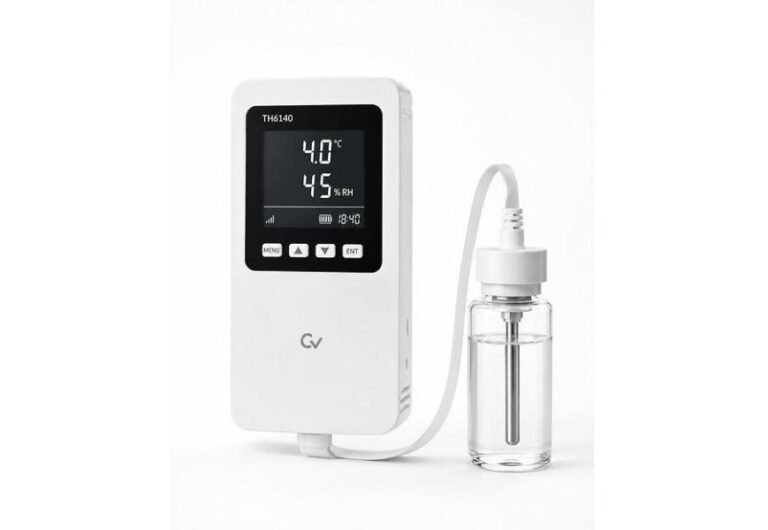
- End-to-end visibility and intelligence: Compliant with EN12830, Lynx Fleet puts fleet owners in control of their cargo with email alerts, temperature-out-of-range alarms, event notifications such as door openings and more.
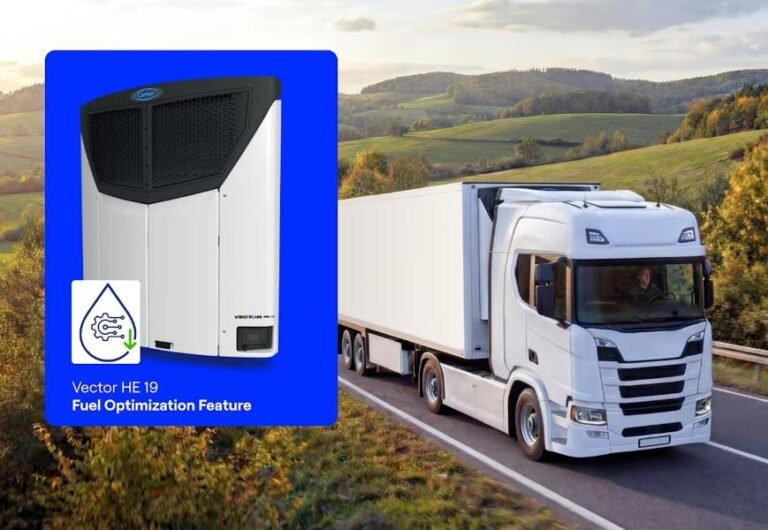
- Sustainability improvements: Fleet owners can use two-way commands to reduce running hours, decreasing fuel consumption by up to 15% while minimizing CO2 emissions. They can also decrease food waste through real-time temperature monitoring and optimize their fleets by analysing engine hours and fuel levels.
- An open ecosystem: The Lynx Fleet open platform integrates with transportation and warehouse management systems (TMS and WMS). Through a single pane of glass and an intuitive interface, users can access all reefer data, drilling down into specific variables such as temperature at delivery.
“Our customers are on the front lines, saving and extending lives by delivering perishable foods and medicines. Lynx Fleet gives them a boost—empowering them to work smarter and more effectively, while improving their top and bottom lines,” said Alice DeBiasio, Vice President & General Manager, Digital Solutions, Carrier Refrigeration.
Lynx Fleet fits new Carrier trailer refrigeration units, with retrofitting available for prior models. Customers enjoy access to the largest service network in Europe, the Middle East and Africa and can bundle the solution with Carrier Transicold BluEdge service contracts.