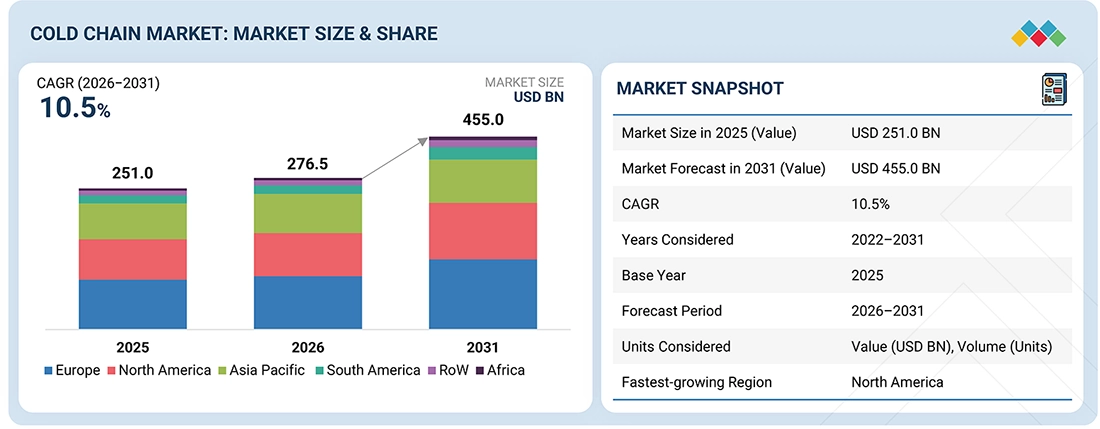
MarketsandMarkets estimates the global cold chain market at USD 276.5 billion in 2026 and projects it to reach USD 455.0 billion by 2031, with a CAGR of 10.5% from 2026 to 2031. The report says growth is linked to rising demand for temperature-controlled logistics in healthcare, food and beverages, chemicals, and other sectors.
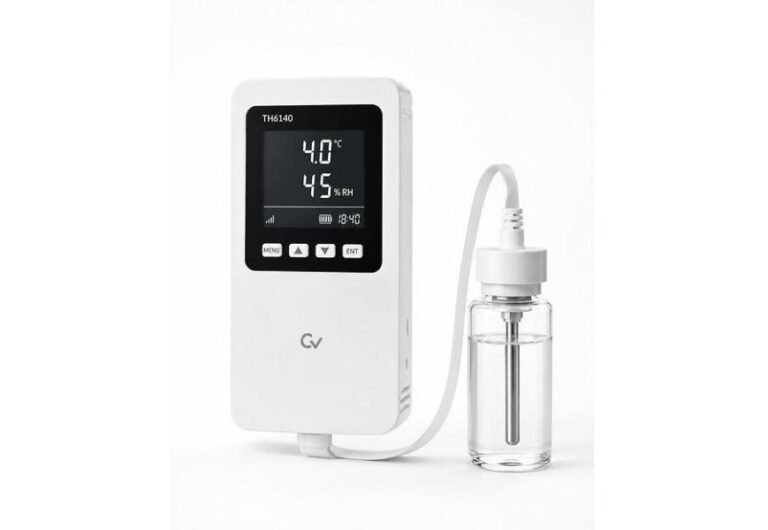
Cold chain systems support storage and transport of products that need precise temperature control. The report cites refrigeration, temperature tracking, and monitoring technologies as factors improving logistics efficiency and safety for perishable products.
In healthcare, temperature control is needed to help keep medications and vaccines safe and effective. In food and beverages, cold chain processes help preserve fresh goods, extend shelf life, and reduce losses of dairy products, meat, seafood, fruits, vegetables, juices, and other beverages. The report also notes uses in chemicals, artwork, historical relics, electronics, flowers, and plants.
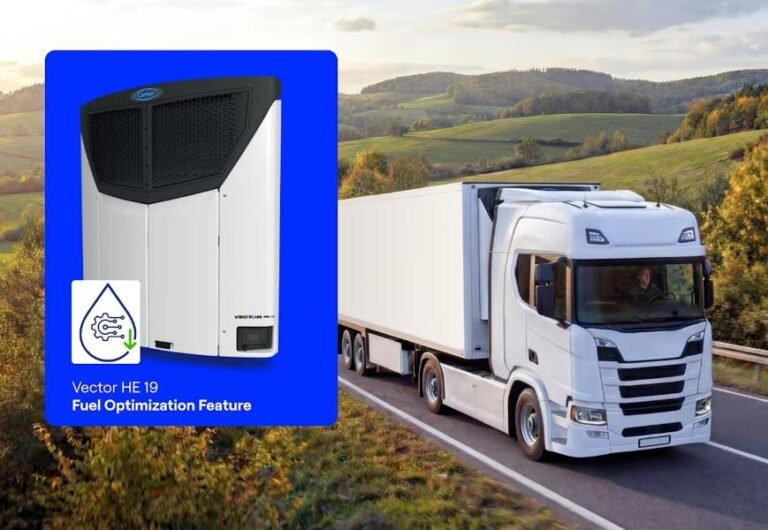
By type, refrigerated transport is projected to hold the largest market share. It was valued at USD 104,961.5 million in 2025 and is projected to register a CAGR of 10.7% during the forecast period. By mode of transport, the LCV segment is expected to record the highest CAGR, at 11.5%. By application, food and beverages is projected to have a large share.
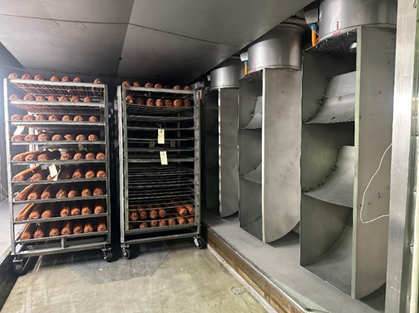
Cold chain storage and infrastructure accounts for a significant market share, supported by demand for temperature-controlled warehousing and logistics in food and beverages, pharmaceuticals, and chemicals. The report cites IoT-based temperature monitoring equipment, automated refrigerators, and energy-efficient storage facilities among technology developments in the segment.
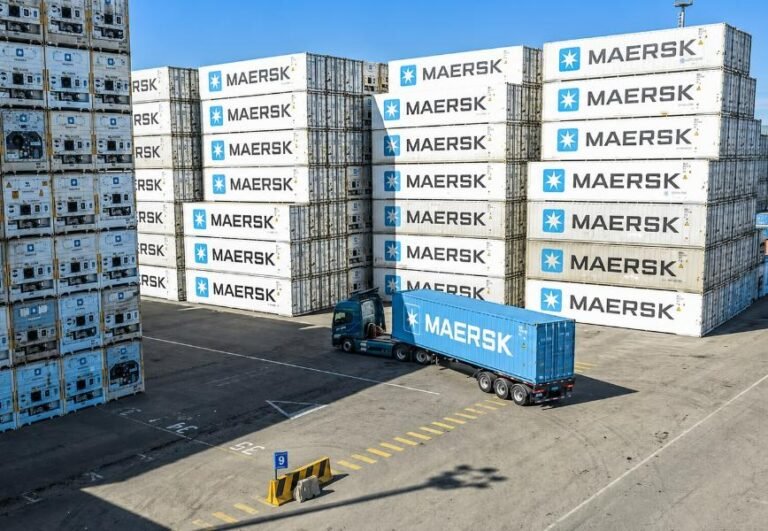
The Asia Pacific cold chain market accounted for a 66.2% revenue share in 2025. Europe also accounts for a significant market share, supported by demand in food and beverages, pharmaceutical, and healthcare sectors, as well as regulations covering food security, pharmaceutical transport, and product quality. Key companies profiled in the report include Americold Logistics, Lineage, NICHIREI CORPORATION, Burris Logistics, A.P. Moller – Maersk, Tippmann Group, Coldman Logistics, and United States Cold Storage.