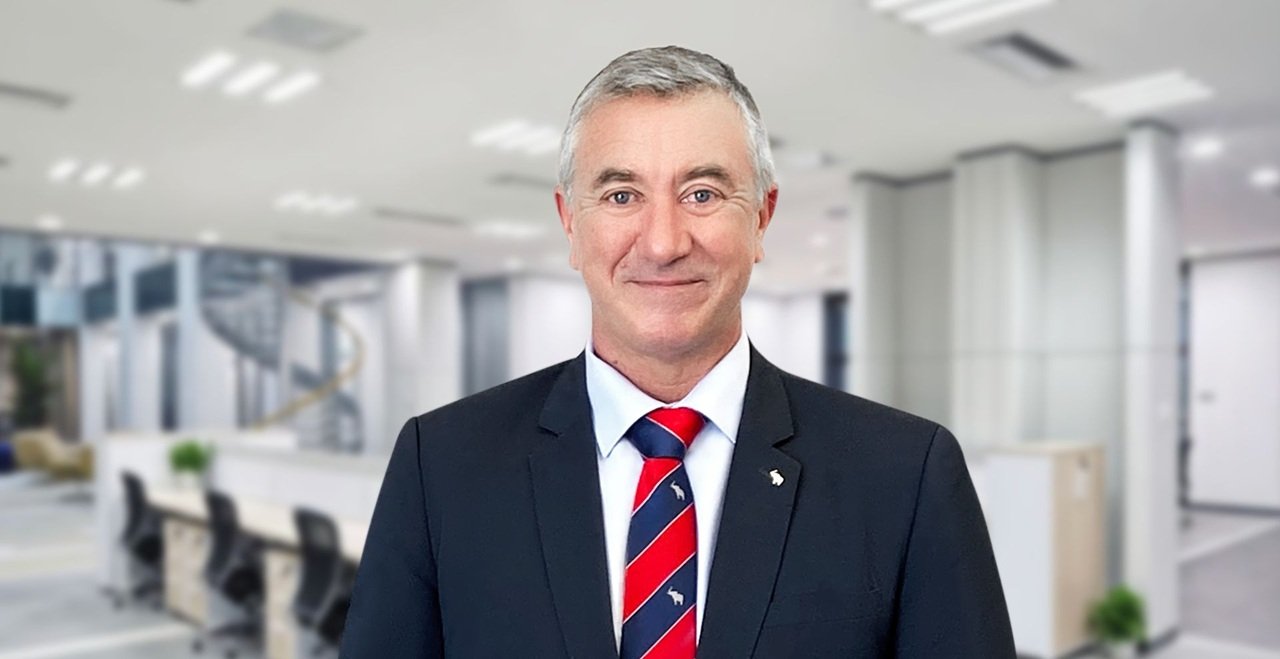
Schmitz Cargobull has appointed Miguel Iglesias as Sales Director for its Southwest Europe sales region, effective 1 April 2025. Iglesias, who will continue in his role as Country Manager for Spain, now oversees operations in France, Italy, Portugal, and Spain, reporting directly to Chief Sales Officer Ralph Kleideiter.
Expanded Role and Responsibilities
In his new position, Iglesias leads a regional team comprising Francois Jolys (France), Mirco Marraccini (Italy), and José Botas (Portugal). Together, they will focus on expanding sales activities and business development across Southwest Europe. The promotion reflects Iglesias’ longstanding experience and impact in the region’s trailer and transport solutions sector.
Career Background
Iglesias began his career in 1995 as Export Manager at Mirofret. He joined Schmitz Cargobull in 2000, serving first as Sales Director at Schmitz Cargobull Ibérica. Since 2008, he has led the Spanish team as Country Manager, overseeing sales of new and used vehicles, marketing, and after-sales operations.
“We are delighted to welcome Miguel Iglesias in his new role as Sales Director for Southwest Europe,” said Ralph Kleideiter, Chief Sales Officer at Schmitz Cargobull AG. “His extensive industry knowledge and great commitment have played a major role in establishing Schmitz Cargobull as the market leader in Spain. We are confident that he will continue this success together with the country managers in France, Italy and Portugal.”
Southwest Europe Production and Market Focus
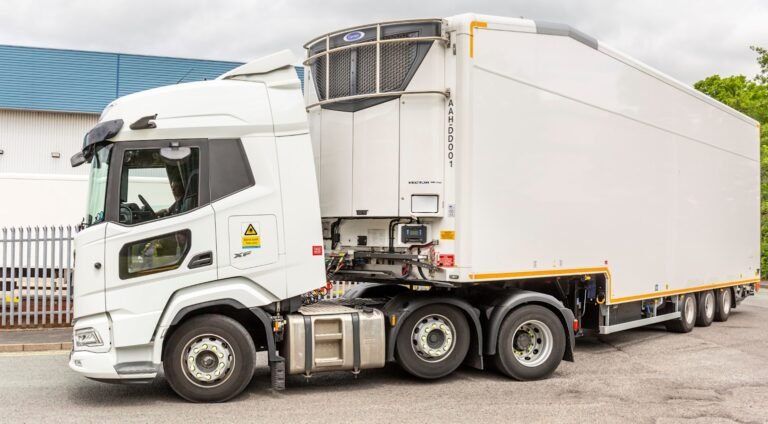
To better serve the Southwest European market, Schmitz Cargobull established its first plant in Zaragoza in 2002. In 2022, the company expanded with a new production facility capable of assembling up to 60 vehicles per day. The site employs over 250 people and manufactures various trailer types, including S.CS curtainsiders, S.KO refrigerated semi-trailers, S.BO dry-freight trailers, and S.KI tipper trailers.
The Zaragoza plant serves not only Spain, Portugal, France, and Italy but also selected African markets. Its strategic location and modern assembly lines enable shorter delivery times and support flexible, customer-specific transport solutions tailored to evolving regional needs.