Ghent, Belgium – October 14, 2025.
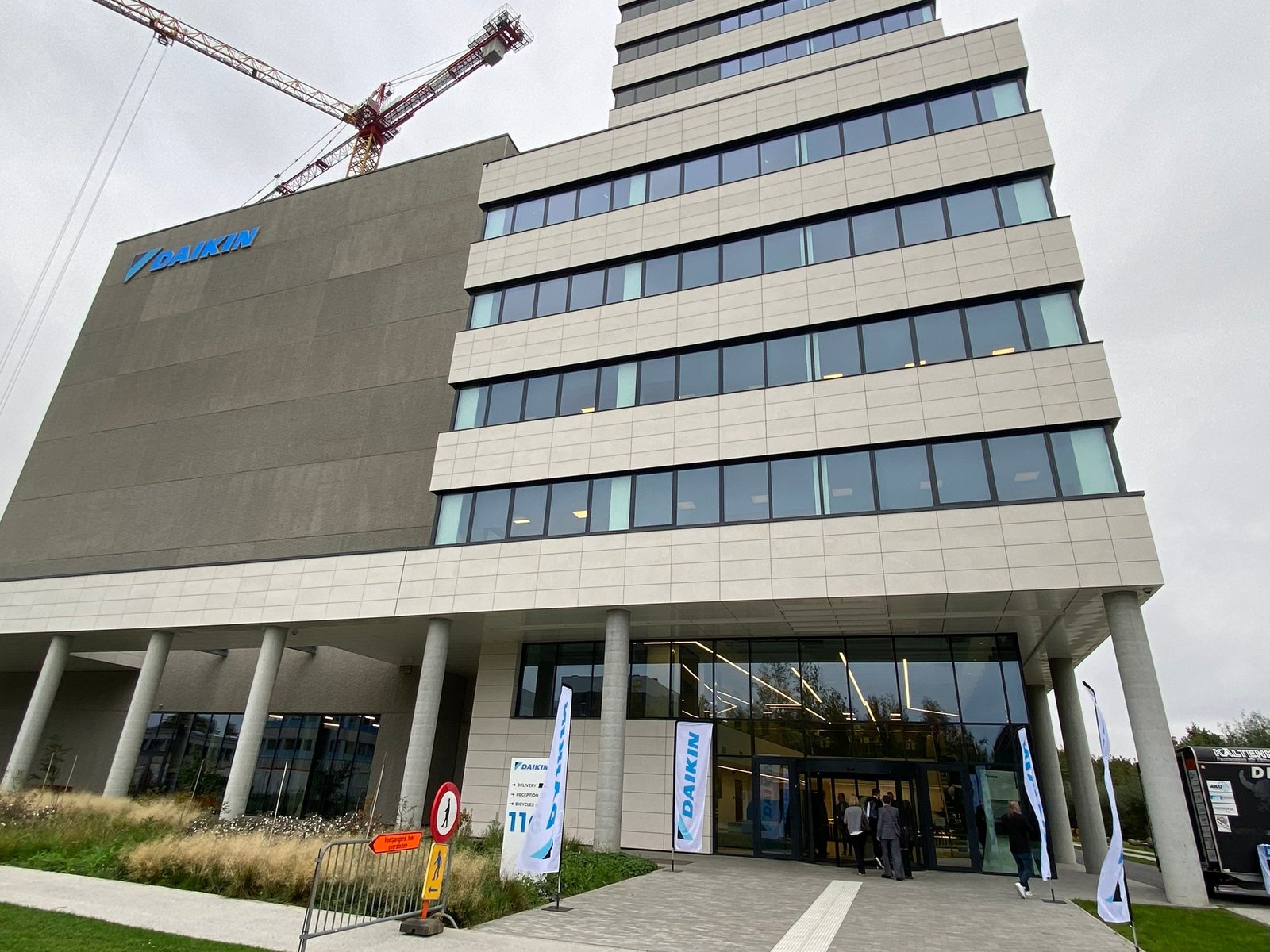
Daikin Europe has officially opened its new Research and Development Center (EDC) in Ghent — a €140 million investment designed to accelerate innovation in heat pump and refrigeration technologies across Europe. The 30,600 m² complex, located at Tech Lane Ghent Science Park, doubles Daikin’s testing capacity in the region and serves as the company’s global development hub for air-to-water heat pumps.
The opening event gathered media, business partners, and representatives from academia and local authorities for a day of speeches, discussions, and a guided tour of the state-of-the-art facility.
Innovation, Sustainability, and Partnership
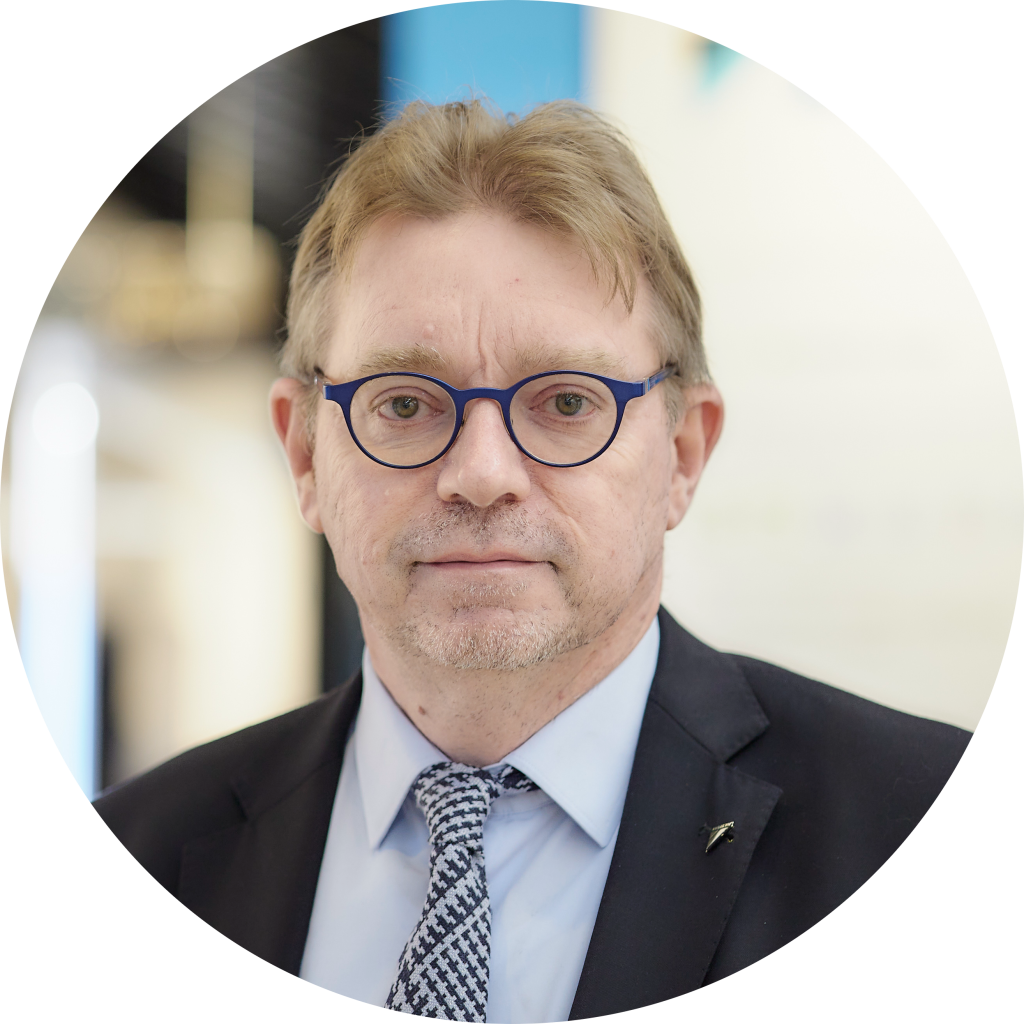
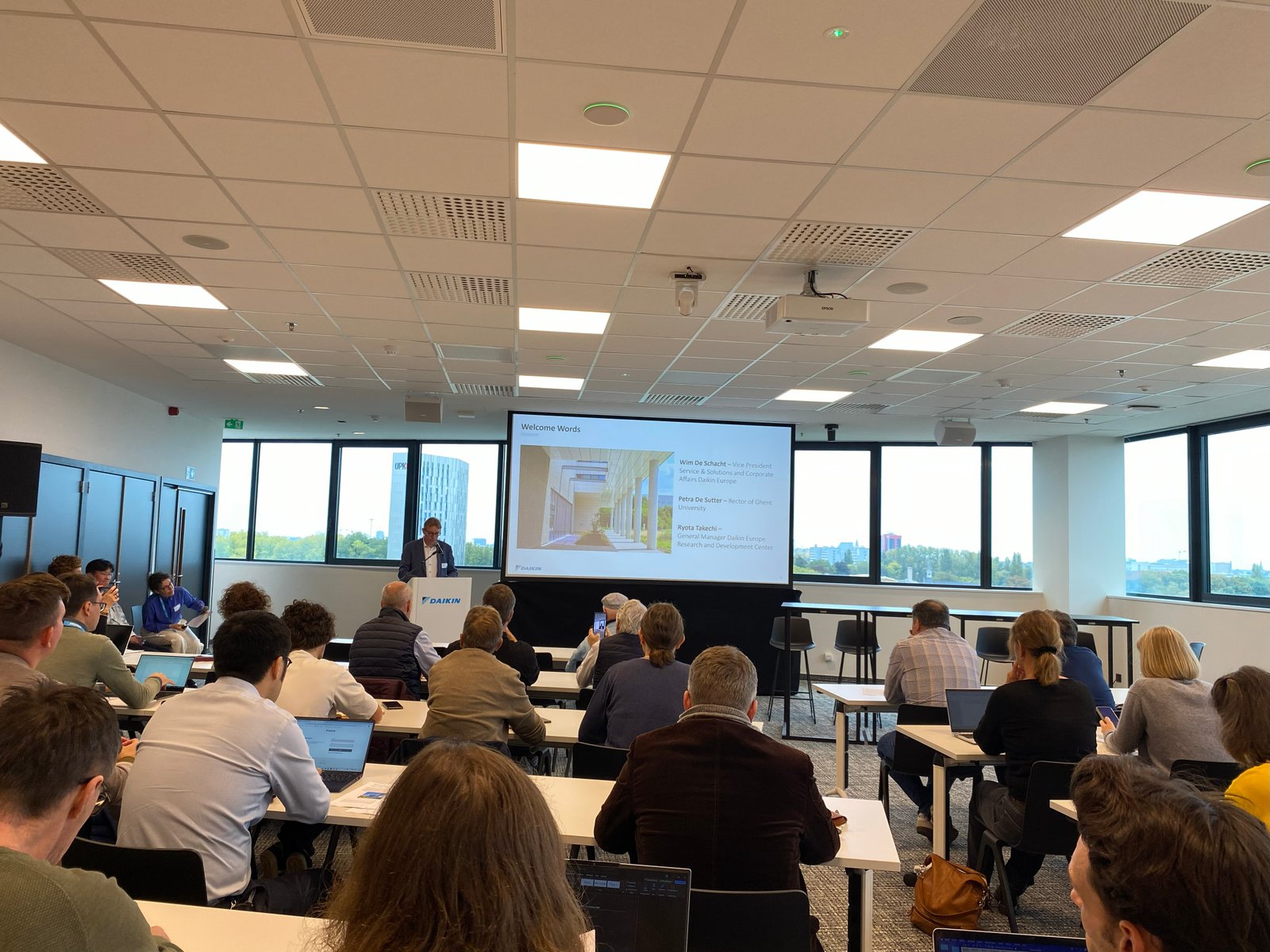
Opening the ceremony, Wim De Schacht, Vice President Service & Solutions and Corporate Affairs at Daikin Europe, highlighted the strategic importance of the new center:
“With the opening of EDC in Ghent, we reaffirm Daikin’s dedication to innovation, sustainability, and partnership. This facility strengthens our R&D capabilities and deepens our ties with the community and European stakeholders.”
He emphasized that EDC Ghent reflects Daikin’s long-term commitment to developing next-generation, low-carbon climate technologies that support the EU’s decarbonization objectives.
Representing Ghent University, Rector Petra De Sutter, praised the partnership between Daikin and academia as an example of how collaboration drives sustainable innovation in Europe. She noted that initiatives like EDC Ghent are vital to achieving the continent’s energy transition goals and building a competitive, knowledge-based economy.

Ryoto Takechi, General Manager of EDC Ghent, followed with an overview of the center’s mission:
“At EDC Ghent, we are committed to driving innovation, fostering collaboration, and promoting sustainability with the goal of leading the energy transition in our industry.”
He described the facility as a platform for collaboration between Daikin’s European teams, universities, and technology partners — all working toward the electrification of heating and cooling and the transition away from fossil fuels.
Panel Discussion: Decarbonising Density
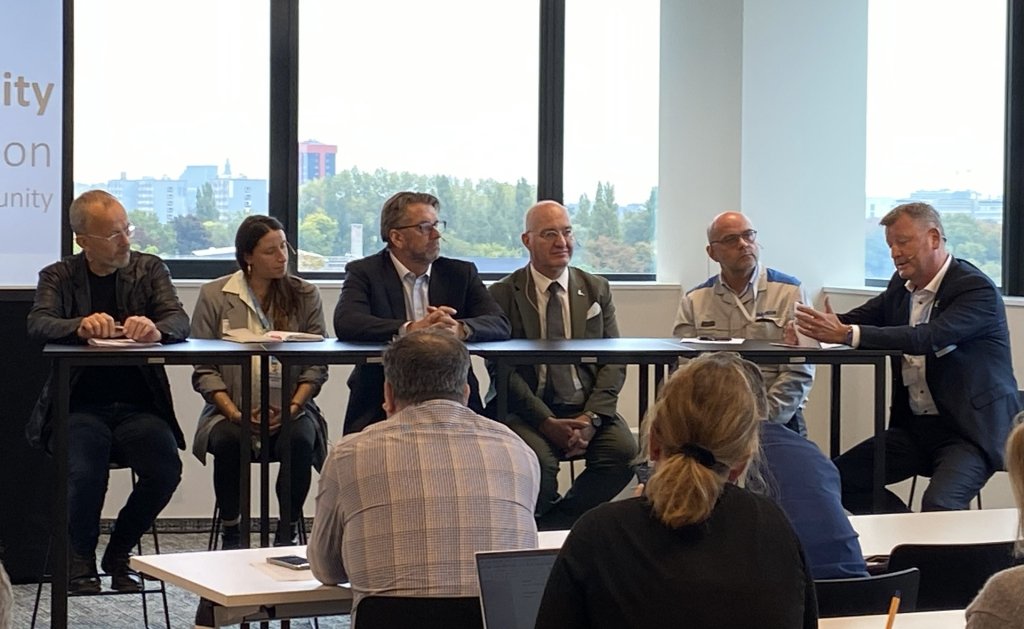
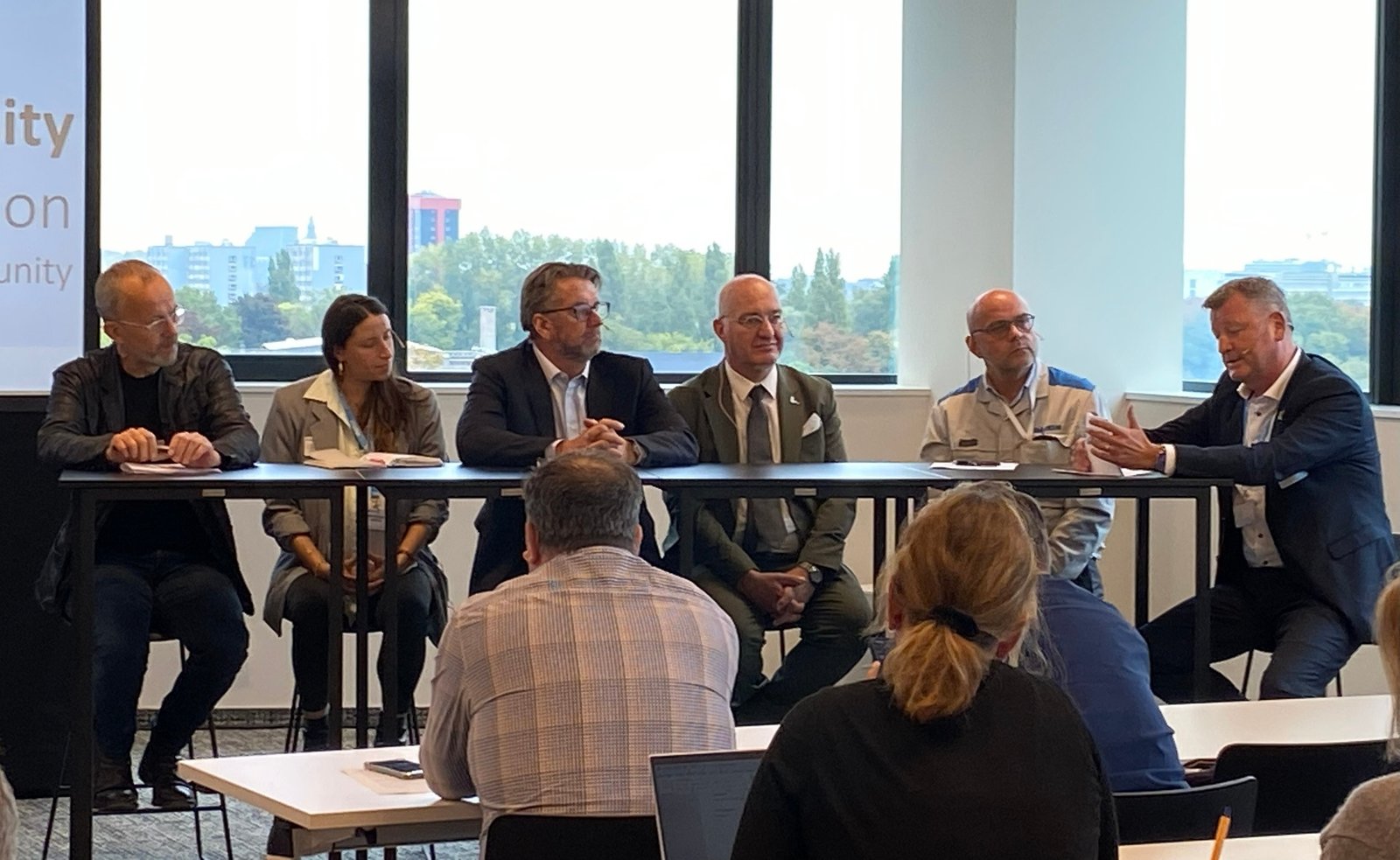
The ceremony continued with a panel discussion titled “Decarbonising Density: The Heat Pump Revolution — Transforming Urban Complexity into Climate Opportunity.”
Moderated by Patrick Crombez, Head of Environmental Readiness at Daikin Europe and President of the European Heat Pump Association (EHPA), the session brought together experts representing local authorities, academia, industry, and energy associations:
Filip Watteeuw (City of Ghent), Prof. Michel De Paepe (Ghent University), Aurélie Beauvais (Euroheat & Power), Peter Anderberg (HEATNET Global), and Laurent Van Thournout (Daikin Europe EDC).
The participants discussed the challenges of decarbonizing densely populated urban areas, integrating renewable heat sources, and ensuring a skilled workforce for the expanding heat pump sector. A key conclusion emerged: only strong collaboration between industry, policymakers, and research institutions can deliver the large-scale transition Europe needs.
A Tour Through the Future of Climate Technology
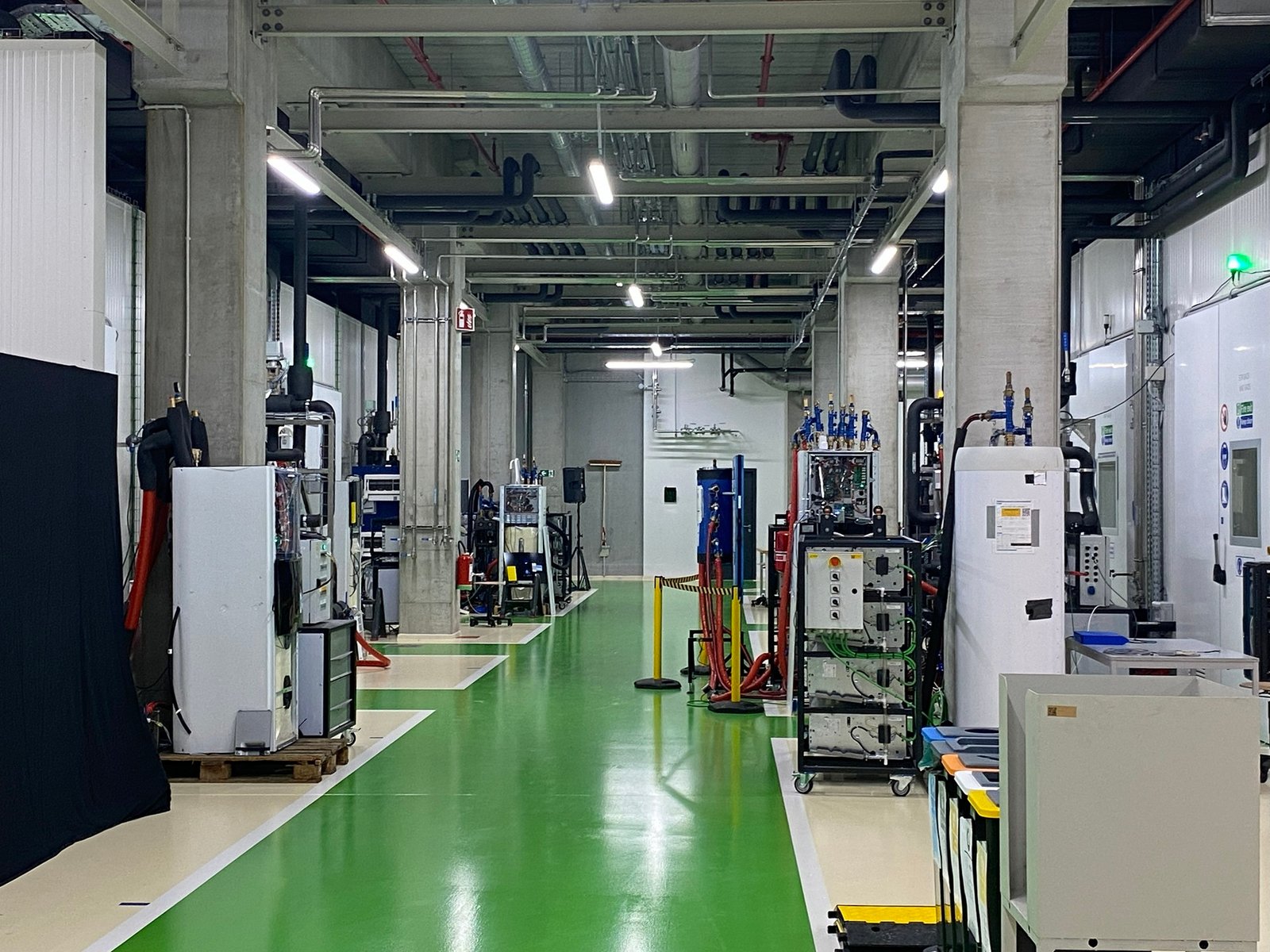
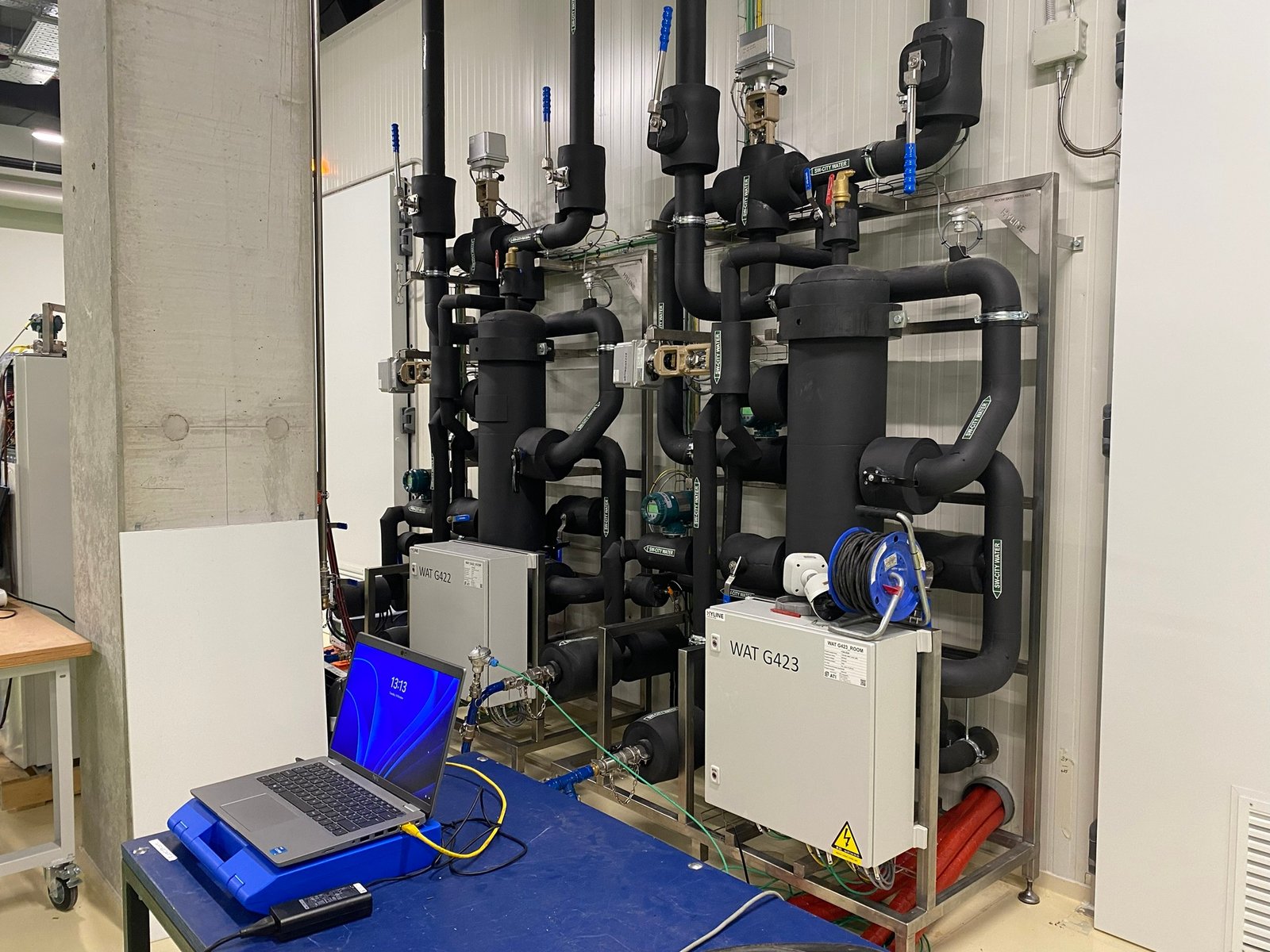
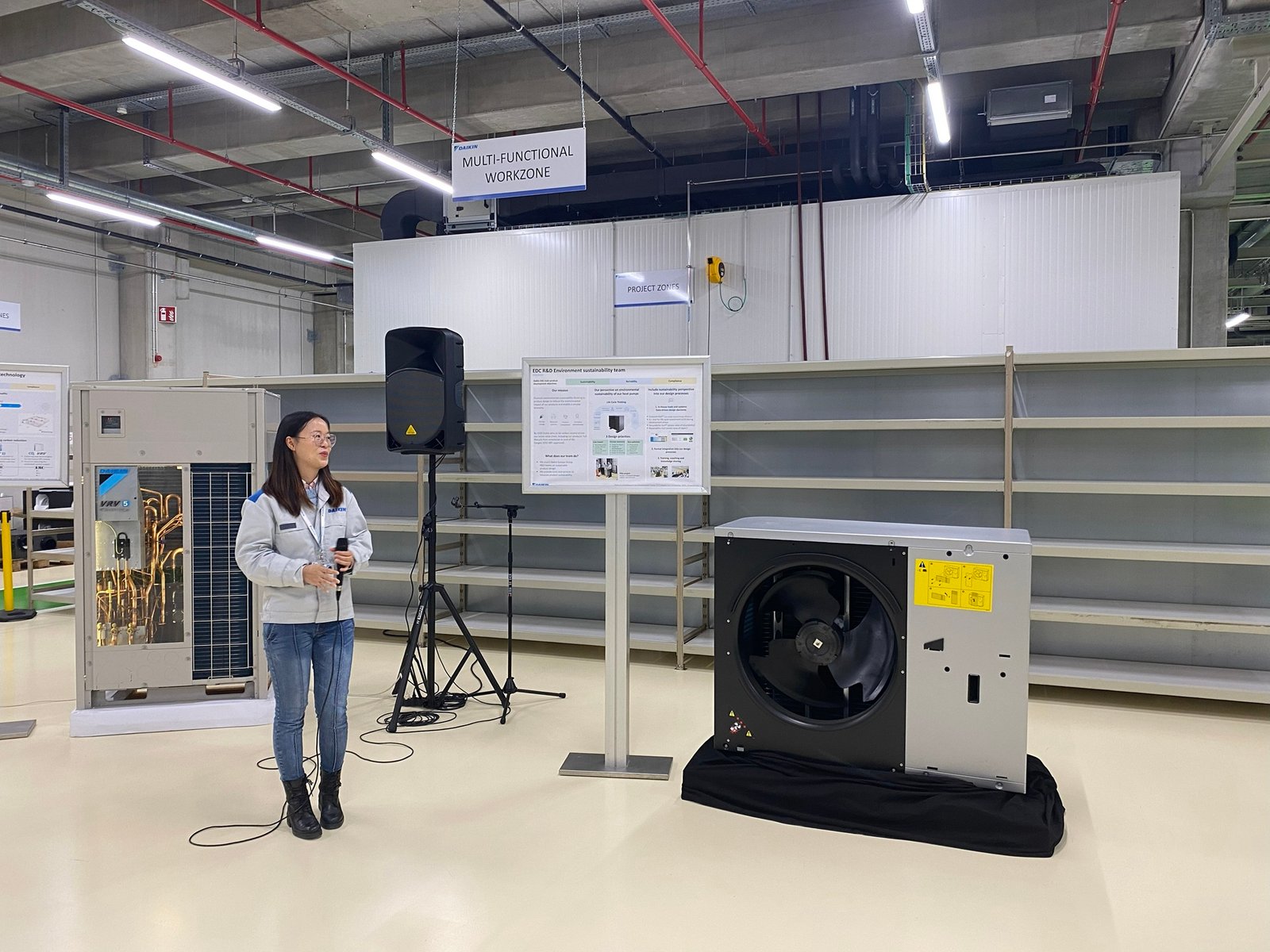
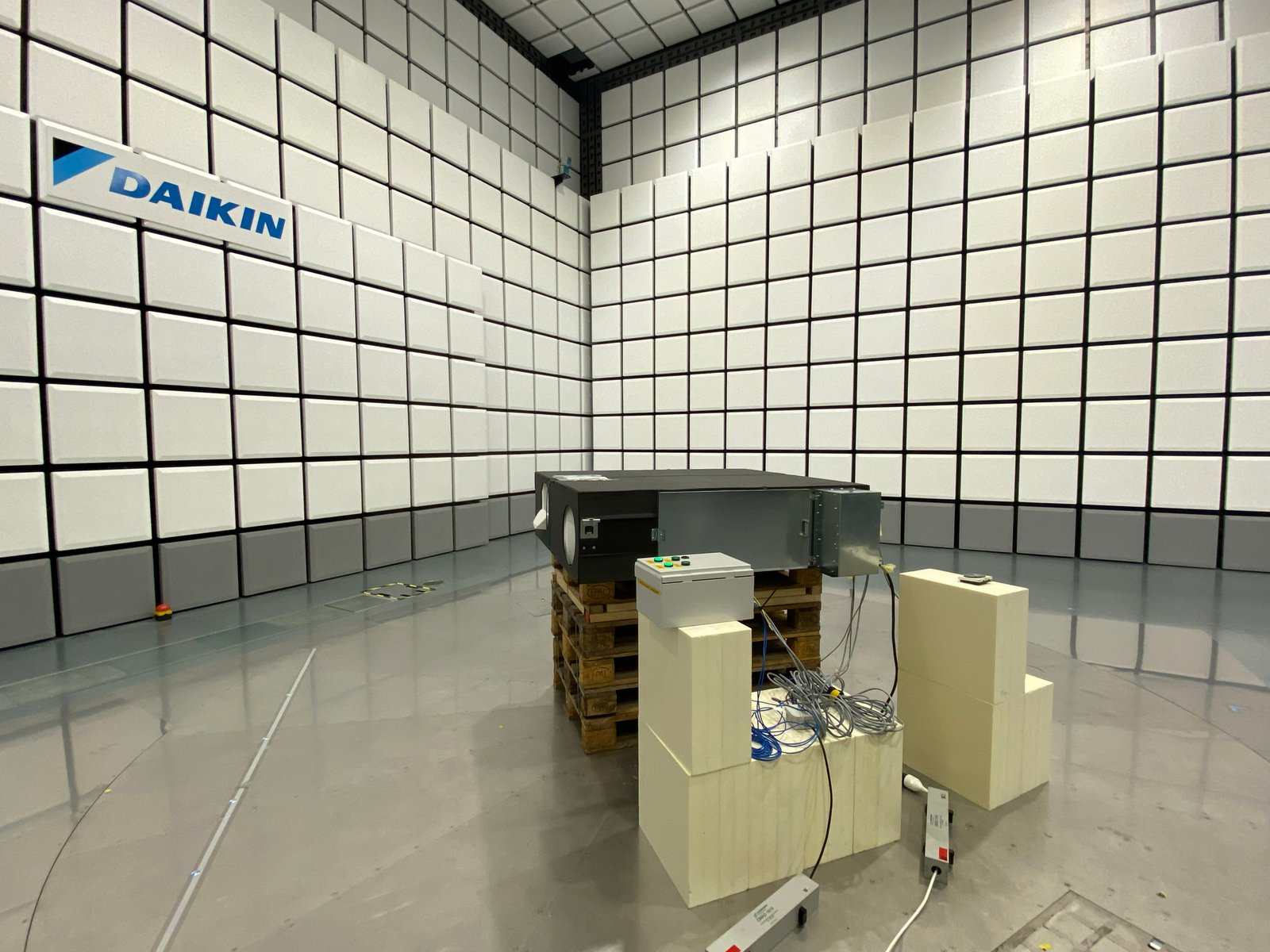
After the discussions, guests joined a guided tour through the EDC’s testing and development areas. The facility houses 23 advanced laboratories — including acoustic and electromagnetic compatibility (EMC) chambers — enabling engineers to test heat pumps and refrigeration units under diverse climatic conditions.
During the tour, visitors explored the specialized laboratory zones at the EDC:
-
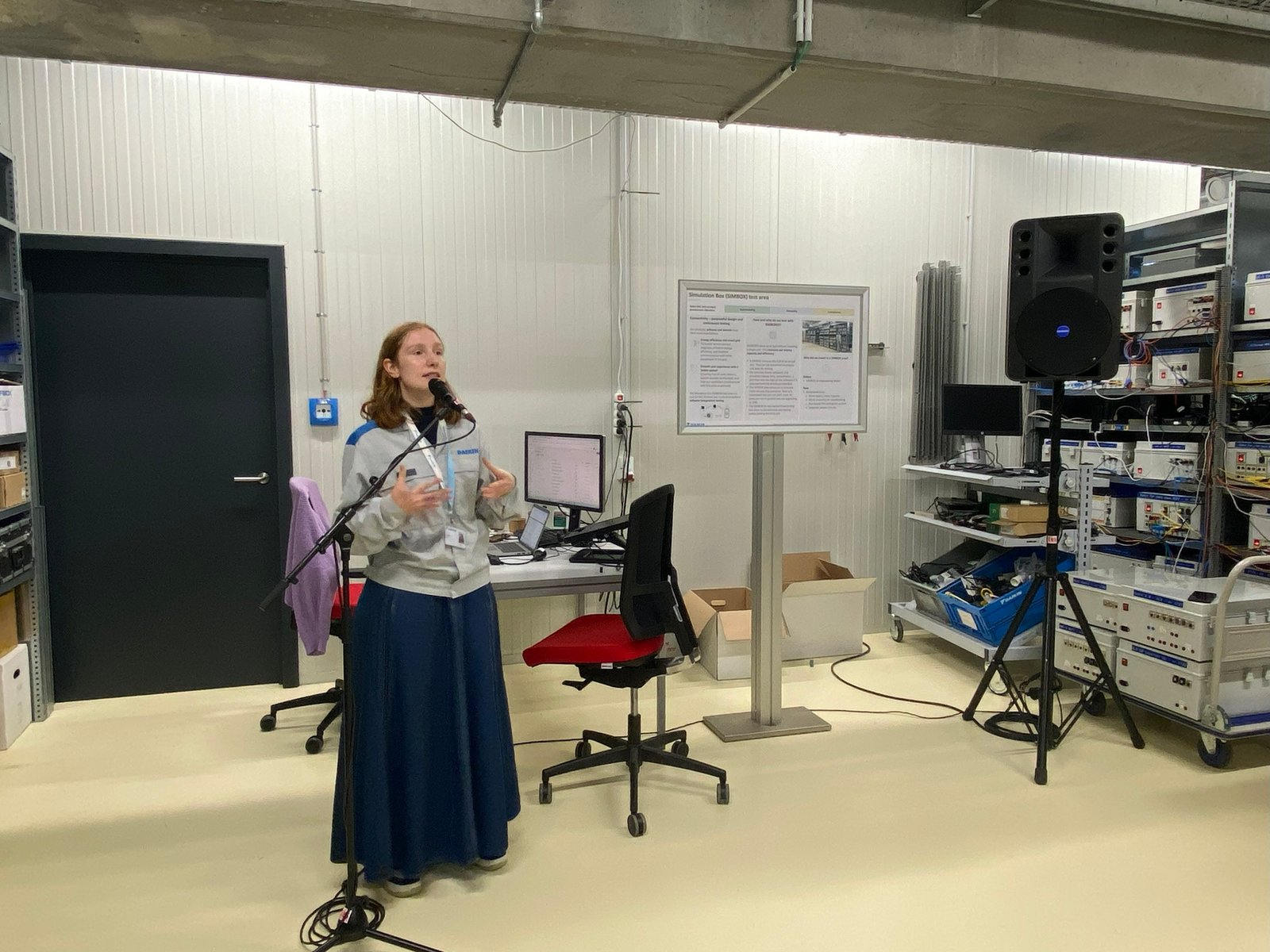
The Simulation Box (SIMBOX) test area demonstrated how Daikin engineers run up to 100 automated virtual test scenarios without physical units, significantly accelerating software validation and reducing development time.
-
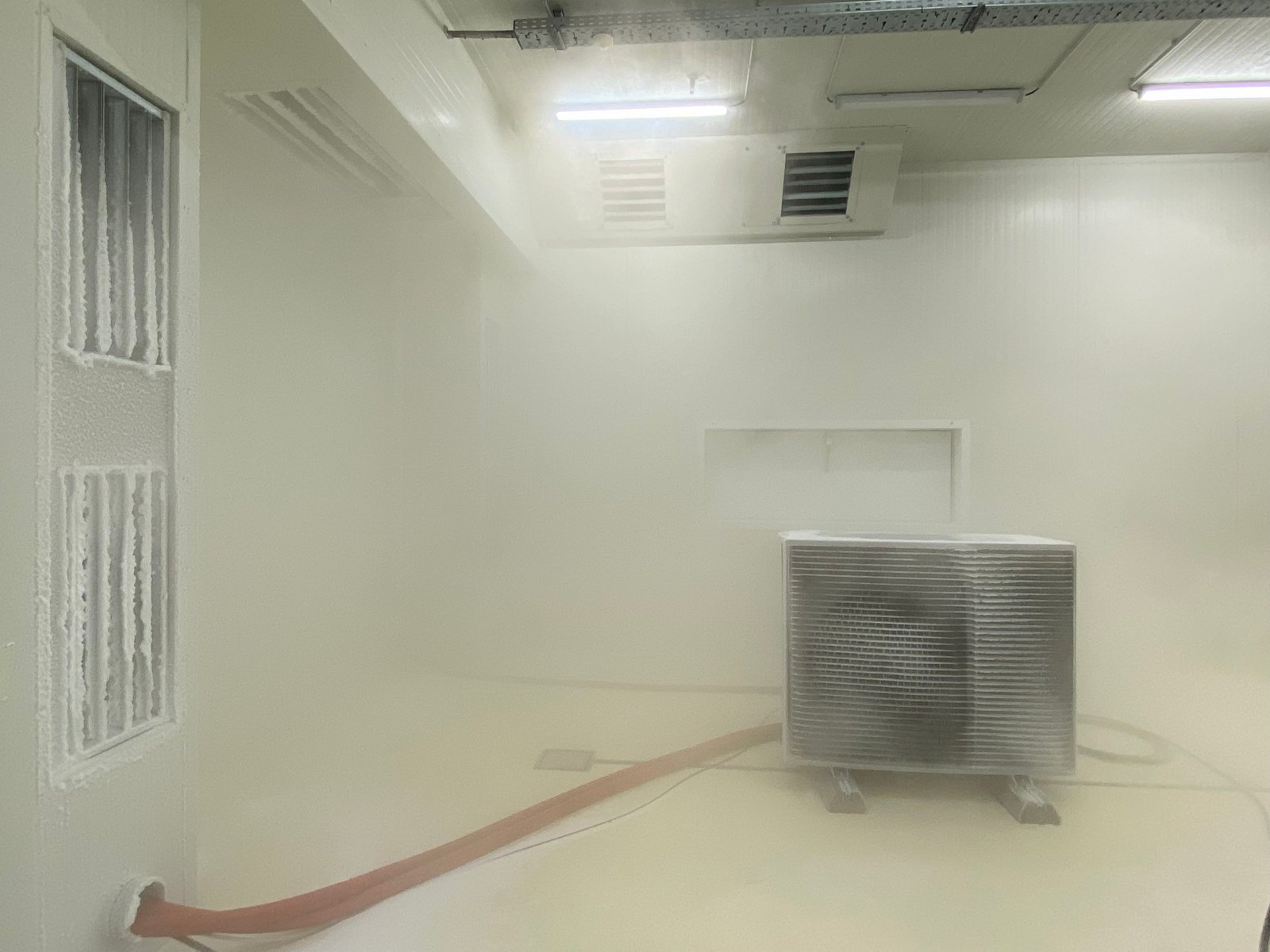
In the Performance Test Laboratory, guests observed how 23 climatic chambers simulate extreme environments ranging from –30°C to +60°C, with precisely controlled humidity levels to ensure global product reliability.
-
The Parts Reliability Lab showcased multi-zone setups for mechanical, environmental, and corrosion testing — including a sustainability-driven example of a composite water pump that reduces CO₂ emissions by 43% compared to conventional materials.
-
At the EMC Laboratory, three separate test zones ensure full electromagnetic compatibility for Daikin products, enabling the company to bring these procedures fully in-house and reduce external testing costs.
-
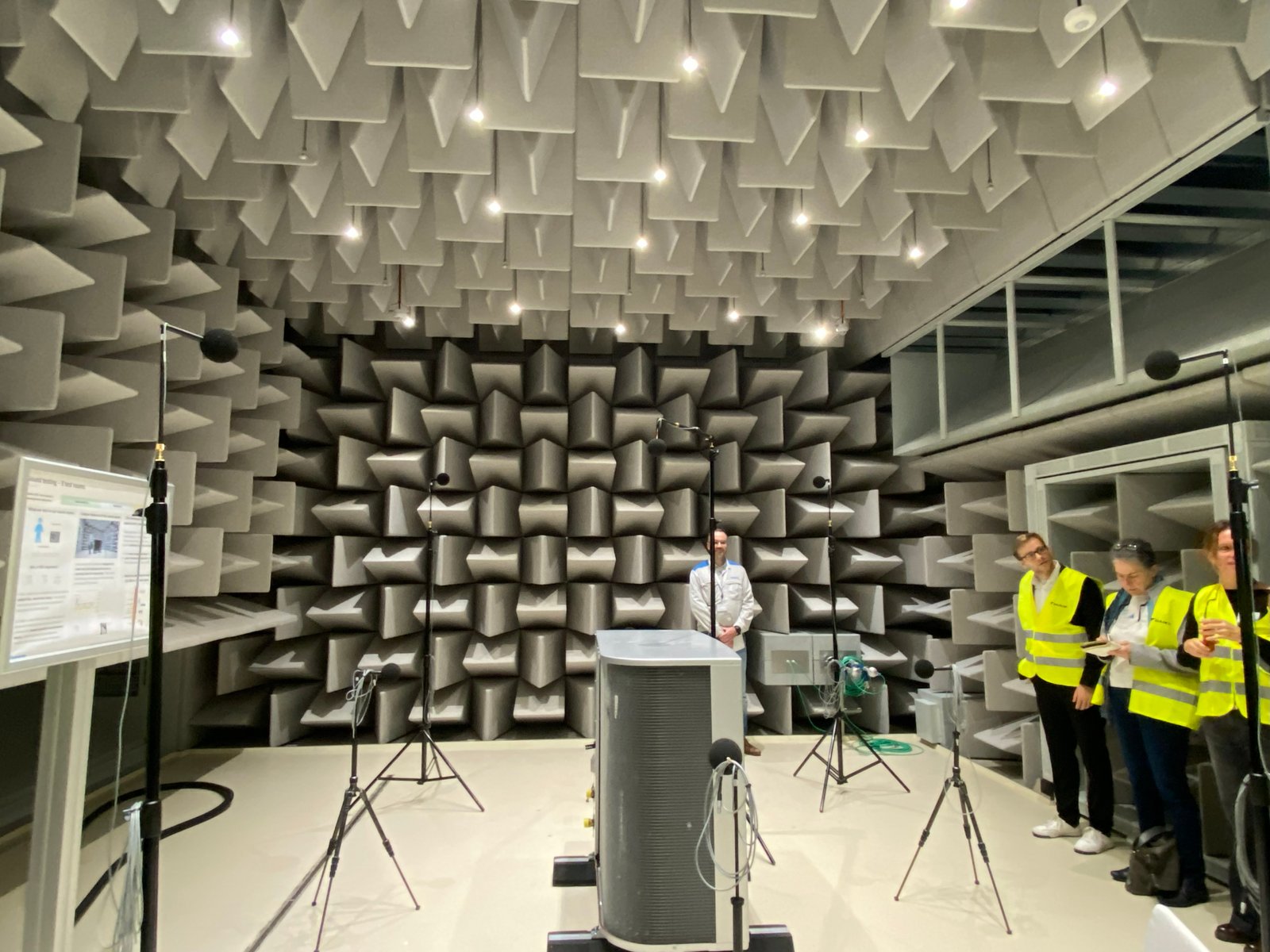
Finally, in the Sound Testing Rooms, cutting-edge acoustic design allows measurements at background noise levels as low as 10 dBA, making it possible to validate ultra-silent HVAC systems for residential and healthcare environments.
These areas underline Daikin’s commitment to reliability, efficiency, and environmental compliance across every stage of product development.
The building itself is a model of sustainability. It operates as a nearly zero-energy facility with a BREEAM Excellent certification. Its infrastructure includes 72 geothermal boreholes reaching 150 meters deep, rooftop solar panels, rainwater harvesting systems, and a smart building management system that monitors and optimizes all energy flows.
Together, these features demonstrate how Daikin applies its own technologies to create energy-efficient, self-sustaining environments — a living showcase of the company’s decarbonization goals.
Presentation by Laurent Van Thournout
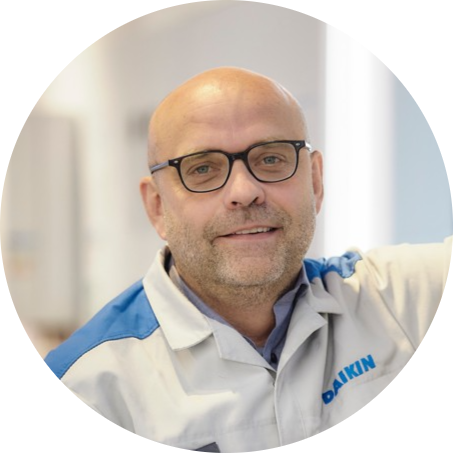
The media tour concluded in the conference hall, where Laurent Van Thournout, Deputy General Manager R&D at Daikin Europe, delivered a presentation summarizing the center’s objectives and scope.
He explained that EDC Ghent is part of a wider R&D network spanning Belgium, the Czech Republic, Germany, Turkey, and Italy. The center’s focus includes the development of next-generation refrigerants (R290 and CO₂), IoT-enabled control systems, and digital solutions that enhance energy efficiency and user comfort.
Van Thournout emphasized that the investment not only doubles Daikin’s testing capacity but also reinforces Europe’s role as a driver of global innovation within the company. He underlined the importance of cooperation with Ghent University, where academic researchers and Daikin engineers jointly explore future energy technologies.
Sustainable Building Systems
Beyond its laboratories and testing facilities, the EDC Ghent itself serves as a real-life demonstration of Daikin’s sustainable HVAC technology. The 14-story complex is designed as a nearly zero-energy building (nZEB) and is currently applying for a BREEAM Excellent certification — one of the highest European standards for energy-efficient construction.
The climate systems inside the building combine geothermal, air-source, and solar technologies under one integrated design. A network of 72 geothermal boreholes, each 150 meters deep, provides stable heating and cooling through the ground’s natural temperature. For the upper floors, VRV systems using R32 refrigerant complement the geothermal setup, reducing overall environmental impact while maintaining high performance.
The building also features rooftop solar panels, rainwater collection systems, and a smart Building Management System (BMS) that continuously monitors and optimizes all energy flows. This intelligent control ensures that heating, cooling, lighting, and ventilation operate in perfect balance — minimizing energy consumption and emissions throughout the year.
By using its own technologies within the facility, Daikin has transformed the EDC into a working showcase of sustainable HVAC integration — proving that comfort, efficiency, and decarbonization can coexist in one advanced system.
A Symbol of Europe’s Energy Transition
The EDC Ghent opening marks a decisive step in Daikin’s European strategy to achieve carbon neutrality by 2050. Beyond its technological achievements, the project stands as a model of how industry, science, and local communities can collaborate to accelerate the continent’s green transformation.
As Wim De Schacht concluded:
“This center is not only an investment in technology, but an investment in people and in Europe’s sustainable future.”
With its new Research and Development Center, Daikin Europe positions itself at the forefront of the heat pump revolution — uniting innovation, sustainability, and partnership to redefine the future of heating and cooling.