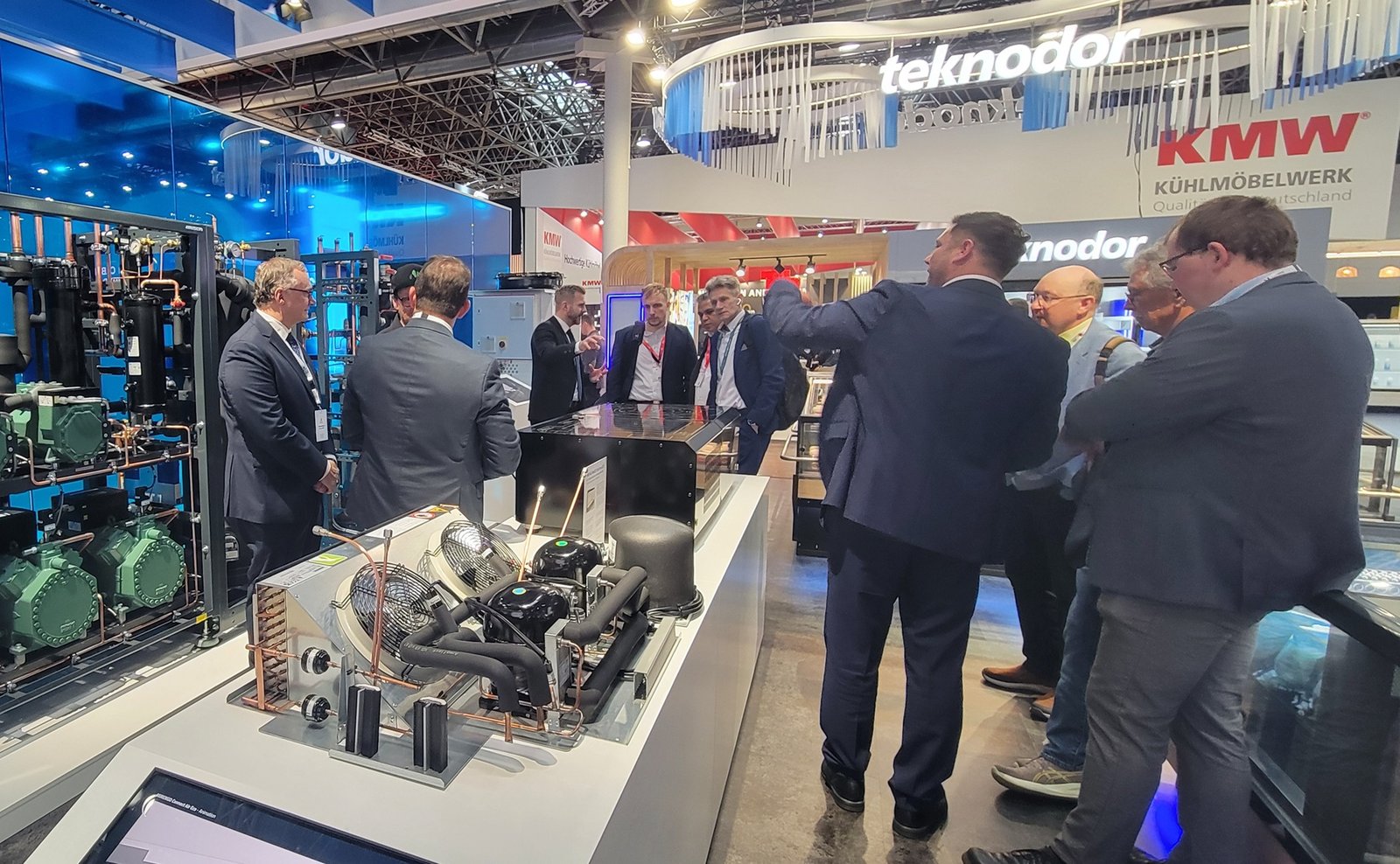
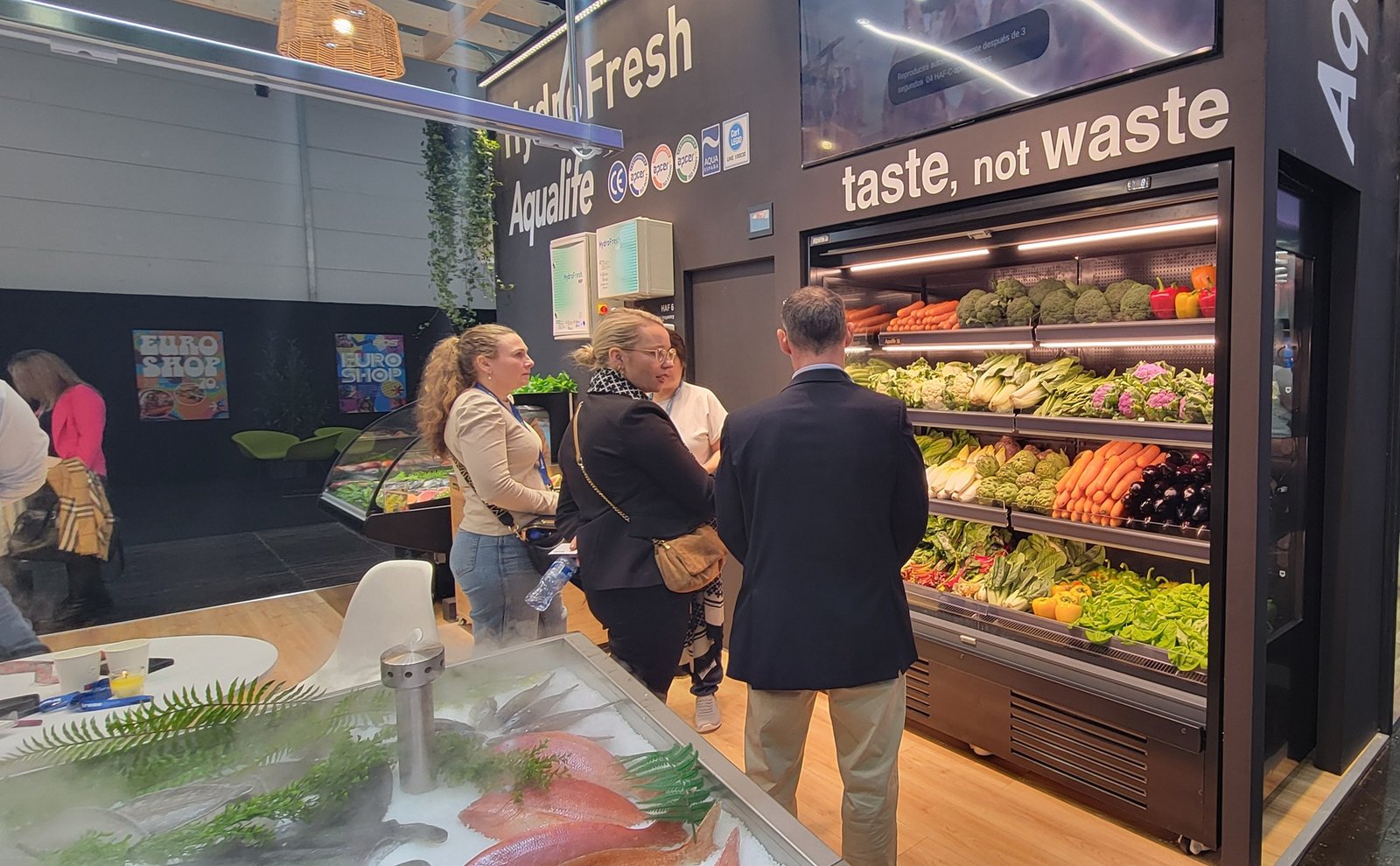
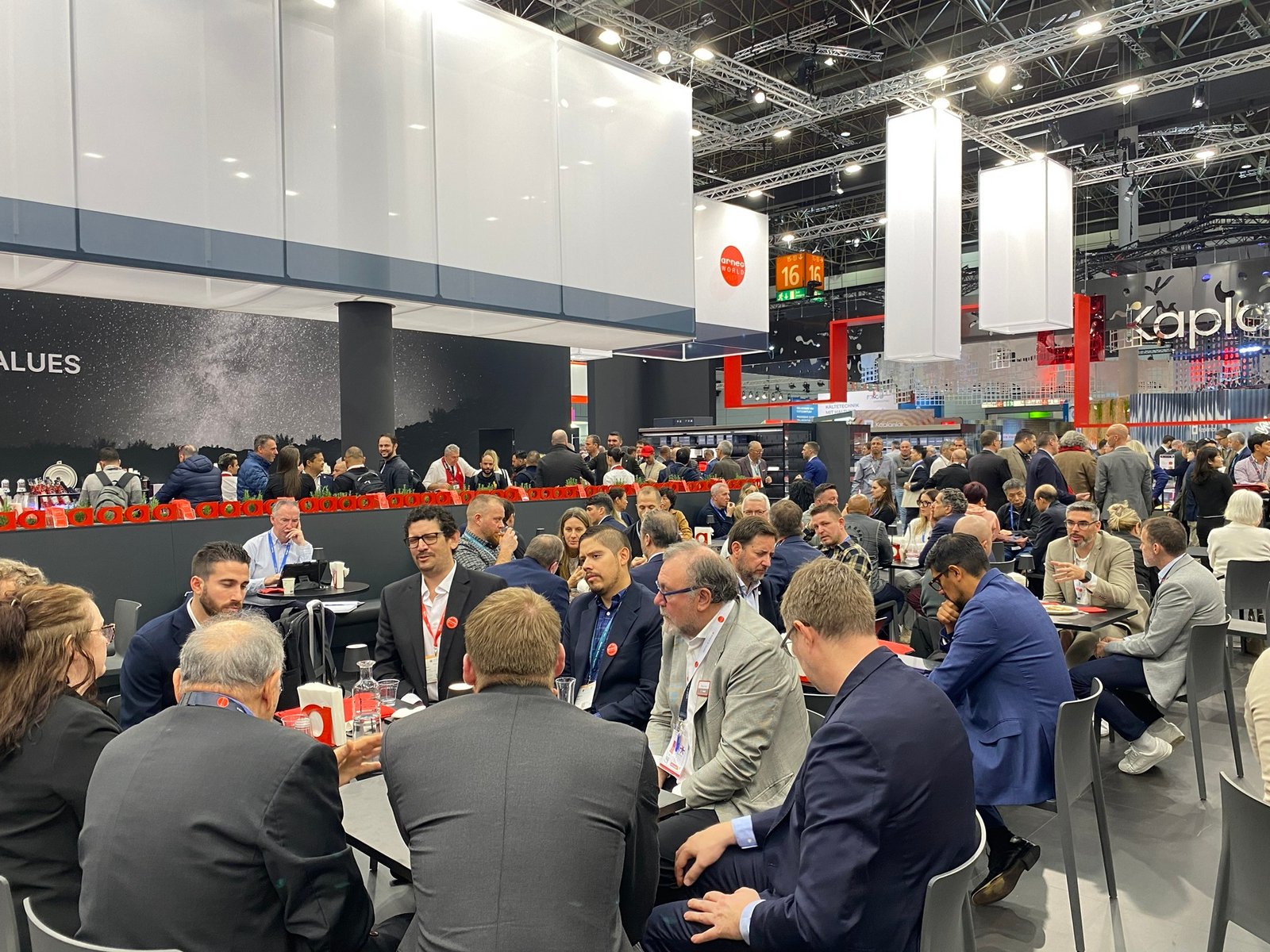
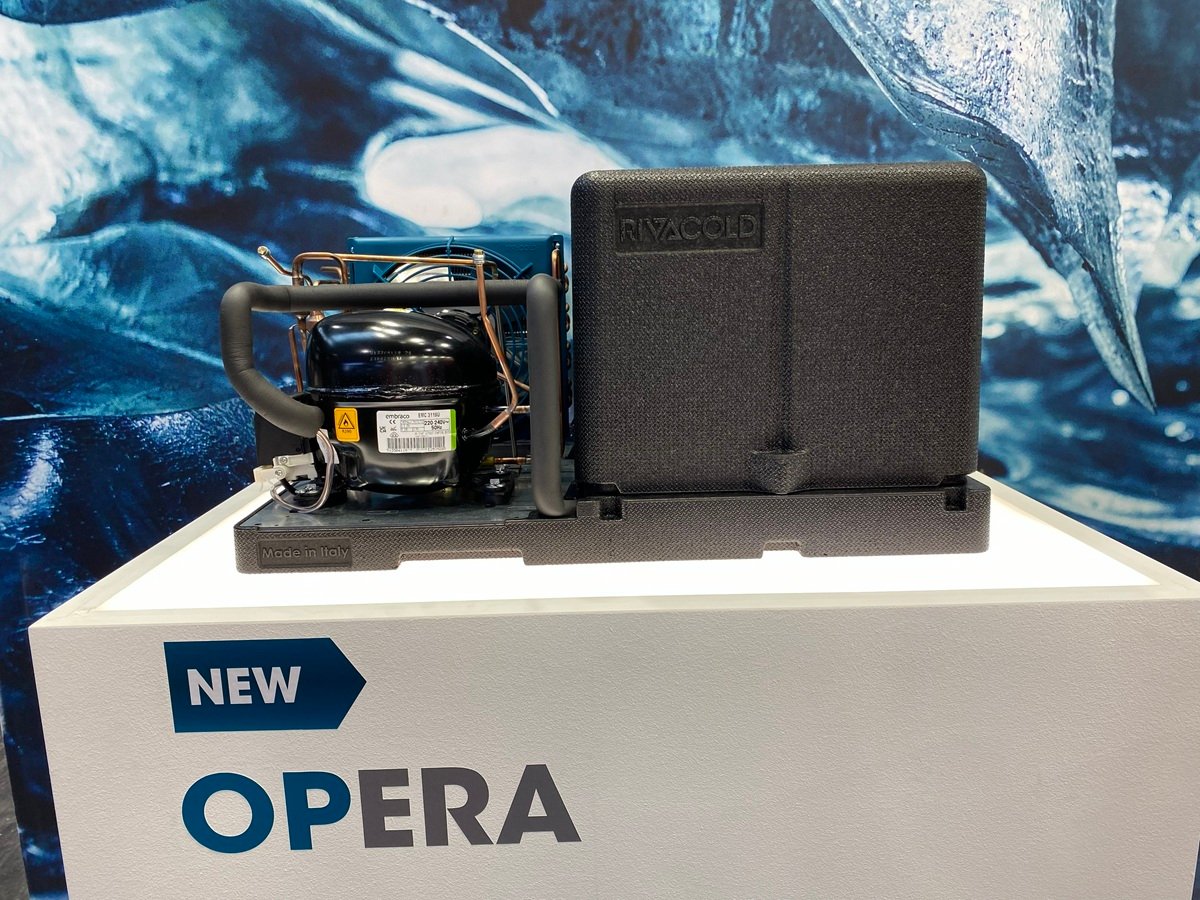
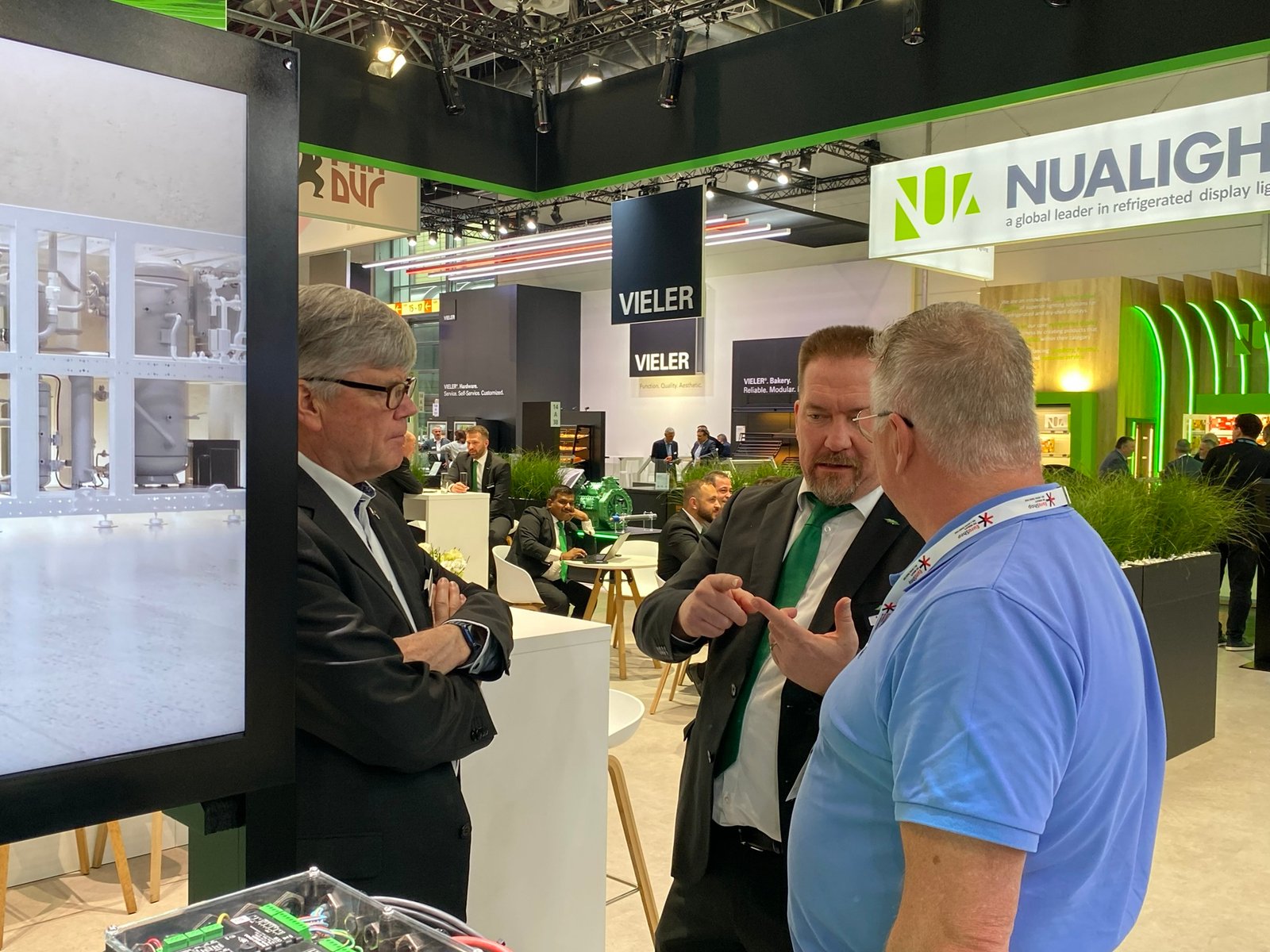
EuroShop 2026 in Düsseldorf put retail infrastructure back in focus, and refrigeration was one of the clearest technology signals on the show floor. For commercial refrigeration teams, the message was practical: retailers want solutions that reduce climate impact while delivering measurable results in daily operation. CO2 continued to dominate “future-ready” system discussions, while propane and ammonia appeared as important options in specific architectures and packaged solutions.
A second thread cut across many exhibitor messages: refrigeration is increasingly managed as a connected asset. Monitoring, fast access to technical data, and energy visibility are becoming part of the baseline expectation—especially for multi-site operators. At the same time, several exhibitors framed retrofit and upgrade paths as realistic ways to improve efficiency and stability without replacing entire installations.
This post-show review is based exclusively on official exhibitor materials and post-event updates provided for EuroShop 2026. It summarises what companies highlighted as new or most relevant and groups the content by the technology categories that consistently appeared across those materials.
Show snapshot
EuroShop 2026 reported more than 81,000 visitors and 1,840 exhibitors, with attendees from 141 countries and exhibitors from 61 nations. The organiser’s recap also pointed to strong interest in energy-efficient refrigeration technology as part of a broader store-performance agenda.
What stood out at EuroShop 2026
-
CO2 is still the default path, but architectures diversify. Condensing units, transcritical systems, integrated solutions, and packaged concepts all targeted different store formats and rollout strategies.
-
Natural refrigerant portfolios broaden. Beyond CO2, suppliers referenced ammonia, propane, and water-based approaches where application fit and lifecycle requirements drive choices.
-
Store performance shifts toward data access and monitoring. Remote monitoring, asset platforms, and supervisory tools were positioned as practical levers for uptime, service speed, and energy visibility.
-
Retrofit becomes more visible. Capacity control upgrades and staged refrigerant transition concepts addressed changing store loads and compliance timelines.
-
Efficiency messaging is increasingly quantified. Several exhibitors supported claims with measurable savings, insulation changes, or class targets.
Company index A–Z
AHT Cooling Systems; Arneg Group; BITZER; CIAM; Eliwell; Enex Technologies; Epta; FREOR; LUVE Group; PAN-DUR; Panasonic Heating and Cooling Solutions; Refra.
CO2 and natural refrigerant refrigeration systems
AHT Cooling Systems
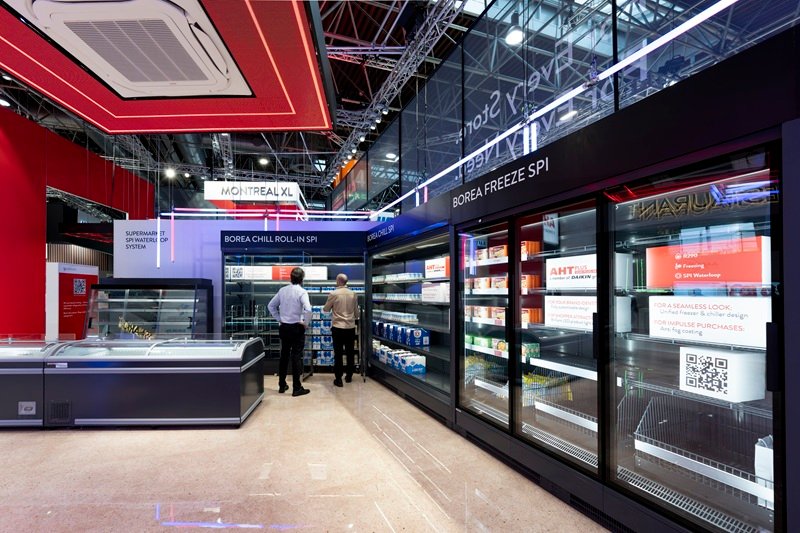
AHT presented integrated food retail system concepts spanning full plug-in, waterloop, and remote CO2 architectures across multiple store formats. Product highlights included CO2 cabinet solutions such as BOREA Multideck and BOREA Freeze Air. The company positioned integration as the foundation for consistent operation across different store applications. Monitoring support was part of the solution package through an active monitoring system. The overall message focused on selecting the right architecture for each retail scenario while keeping performance transparent for operators.
Arneg Group
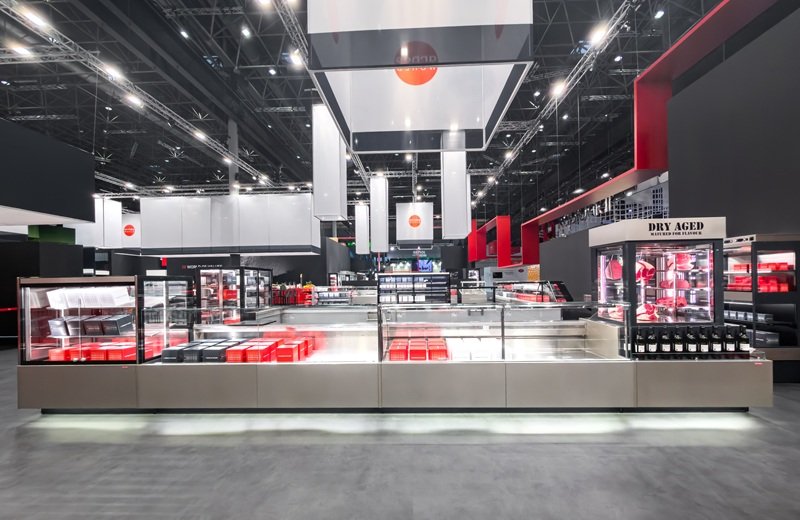
Arneg positioned EuroShop around an integrated ecosystem combining cabinet concepts, store integration, monitoring, and CO2 transcritical technology. It highlighted smart cabinet solutions such as Tower Ring and Osaka 3 LX Omni Ring, paired with a monitoring concept called Arneg A-Eye. Prisma was presented as part of the CO2 transcritical direction. The framing connected these elements to energy reduction and operational continuity through interconnected solutions.
Related reading: At EuroShop 2026 Arneg presents new solutions for efficient and sustainable refrigeration
BITZER
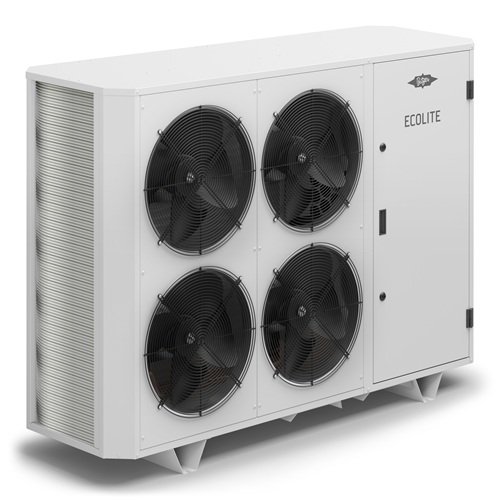
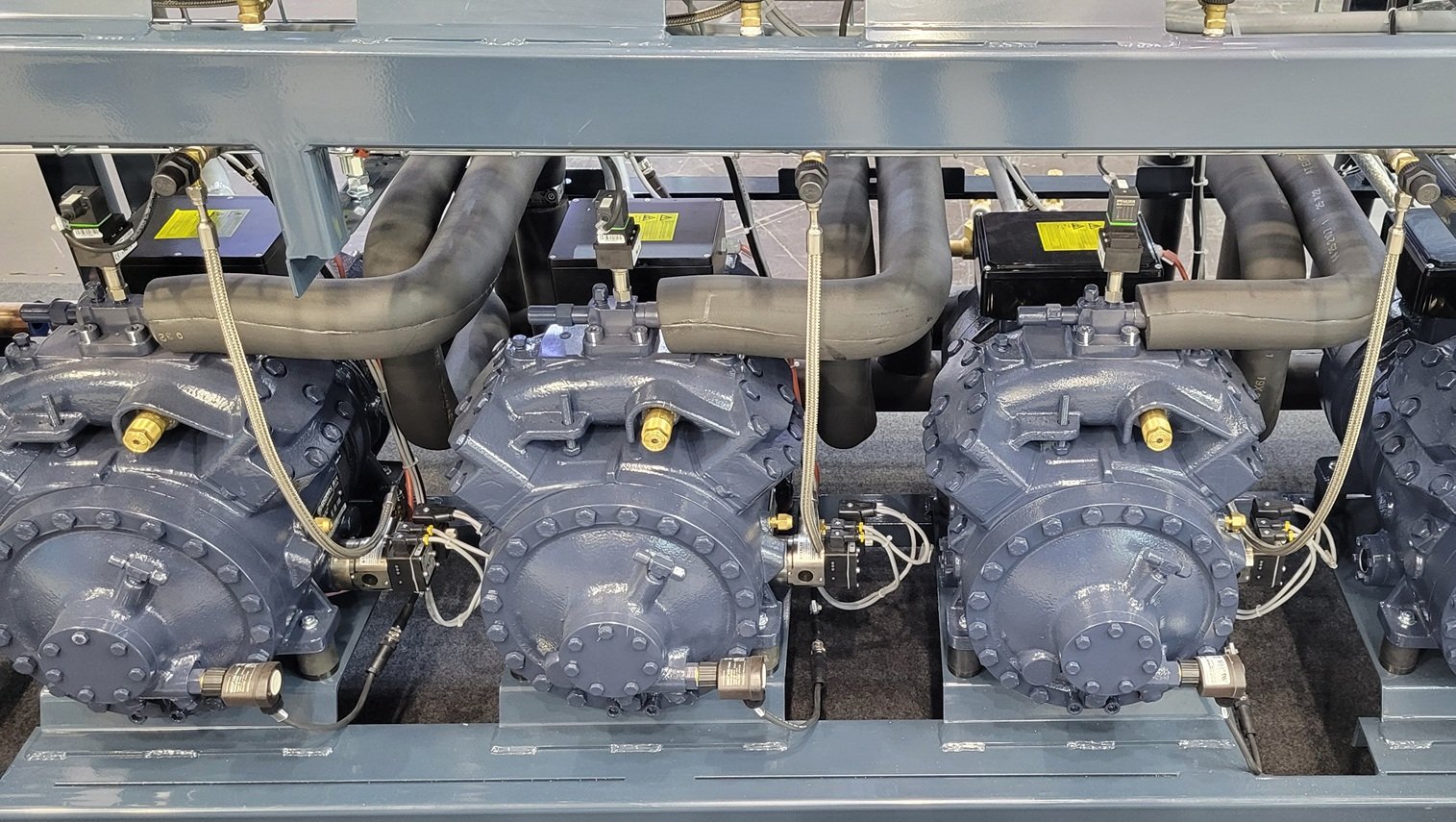
BITZER focused on CO2-ready components and lifecycle performance for commercial refrigeration. The company showcased the first model in its ECOLITE CO2 condensing unit family as a plug-and-play entry into CO2 applications. Part-load efficiency and stable operation were linked to capacity and speed control functions. BITZER also highlighted retrofit options through Performance Kits designed to upgrade installed compressors, including an Energy Kit for mechanical capacity control retrofits. Optional heat recovery was presented as an additional system-level lever to improve overall efficiency.
Related reading: A stop at the BITZER booth at EuroShop 2026: New CO2 units and retrofit Performance Kits
Enex Technologies
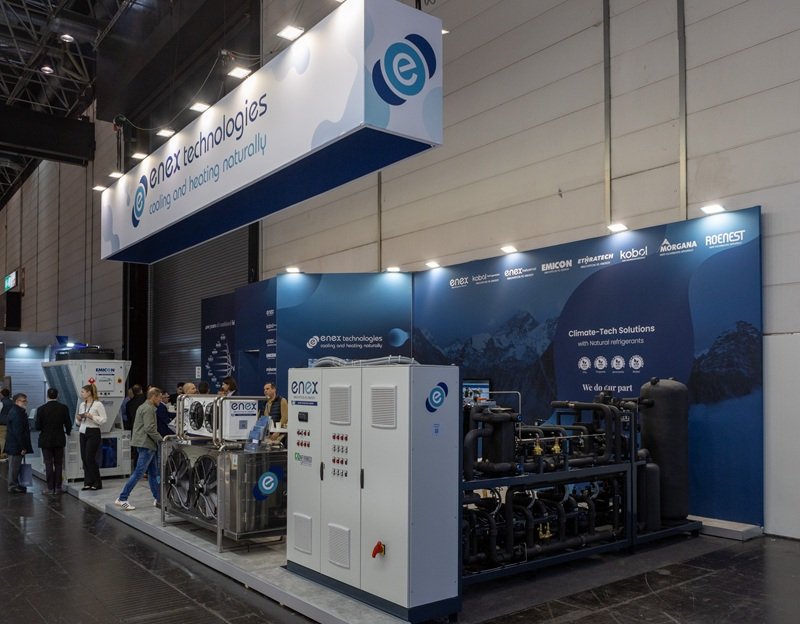
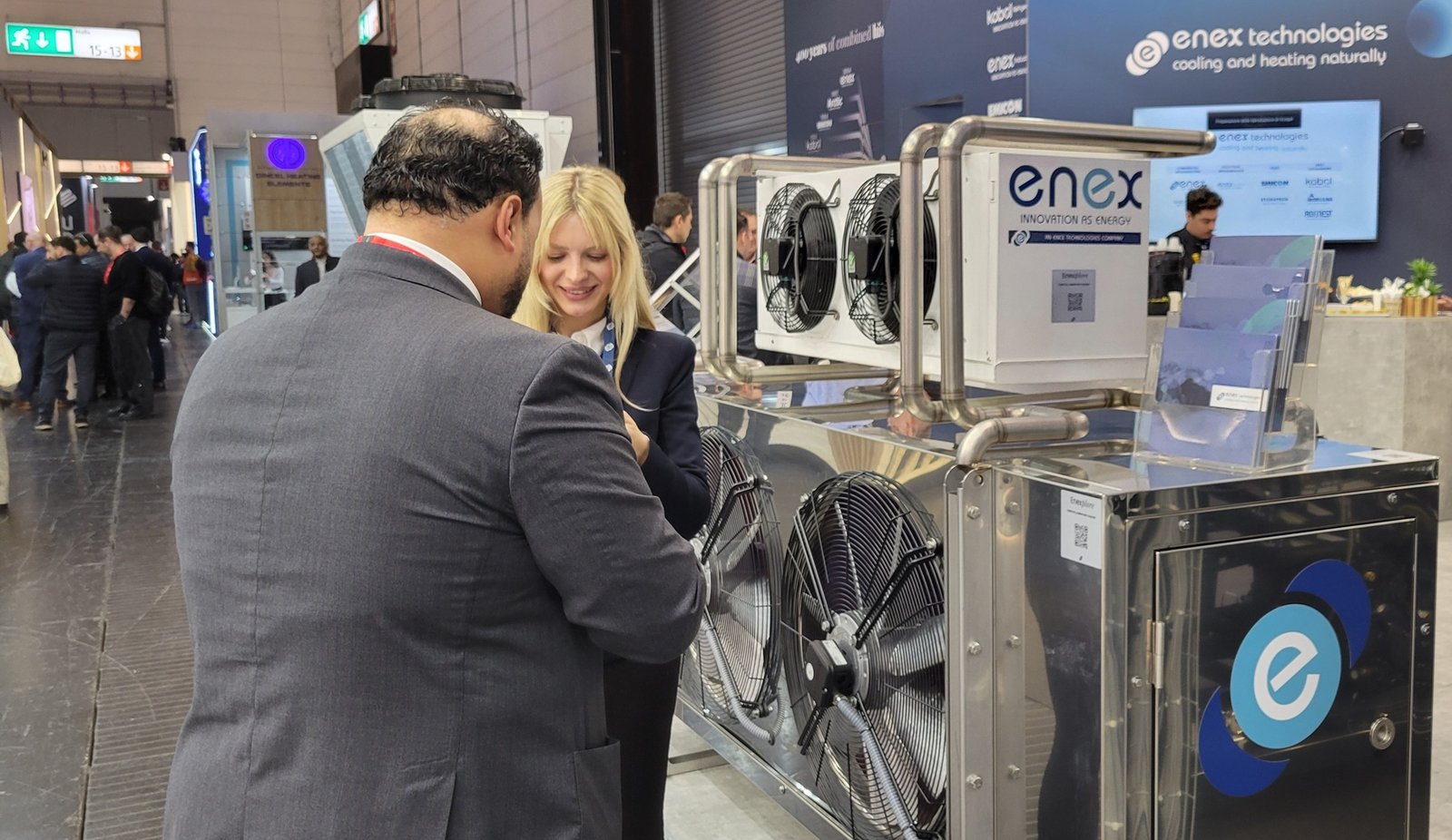
Enex Technologies showcased natural-refrigerant AllInOne solutions spanning CO2, ammonia, propane, and water-based technologies. It listed products shown on the stand alongside “virtual units” representing advanced system concepts. Highlights included CO2 and NH3 evaporators and a CO2 flat gas cooler. Enex also referenced a Monoblock concept described as combining the functions of a CO2 rack and gas cooler in one compact solution. For ammonia applications, it presented MEGA as a packaged NH3 refrigeration system designed for custom projects.
Panasonic Heating and Cooling Solutions
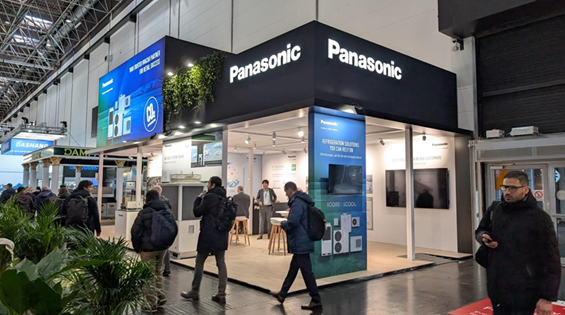
Panasonic presented a retail refrigeration portfolio centred on CO2 solutions and iCOOL systems, while positioning decentralised refrigeration as a resilience pathway compared with central rack architectures. It described iCO2RE and iCOOL as core product lines and emphasised operational flexibility for store rollouts. The company also outlined a staged refrigerant transition option via iCOOL SE A2L-ready, designed for installation on HFC refrigerants with a later retrofit to A2L. The message focused on phased expansion and reduced risk of full-system shutdown in decentralised layouts, with capacity figures provided in the official materials.
Refra
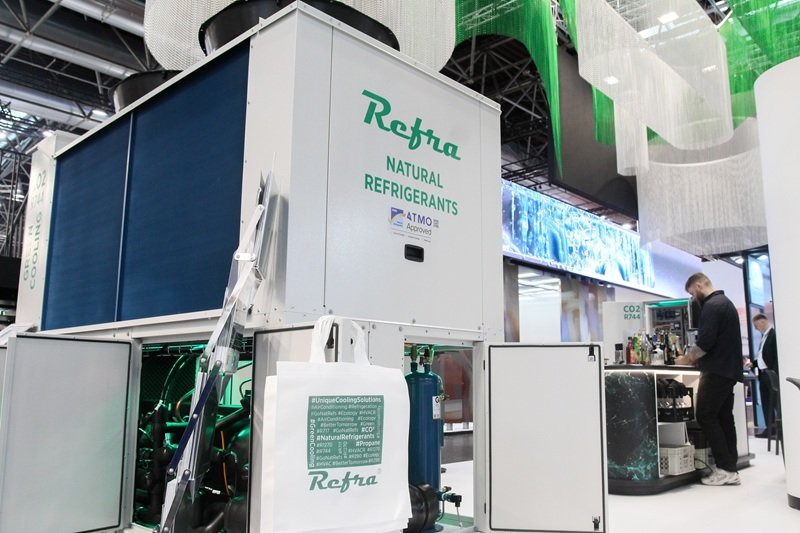
Refra showcased an upgraded CO2 Light transcritical system for retail refrigeration, highlighting configurability and installation flexibility. The upgraded concept added frame options and optional modules. Refra positioned CO2 as a future-proof refrigerant choice in the context of EU F-gas compliance. Optional heat recovery was part of the system concept. Advanced control options and energy monitoring kits were presented as add-ons for performance visibility and optimisation.
Refrigerated cabinets, islands, merchandising formats, and access design
AHT Cooling Systems
AHT’s cabinet message was tightly linked to broader store-format solutions rather than standalone merchandisers. It highlighted CO2 cabinet solutions as part of integrated architectures designed for different retail scenarios. The emphasis remained on system fit by store type and the ability to maintain stable operation across applications. Monitoring was positioned as a practical support layer for keeping performance visible and manageable.
Arneg Group
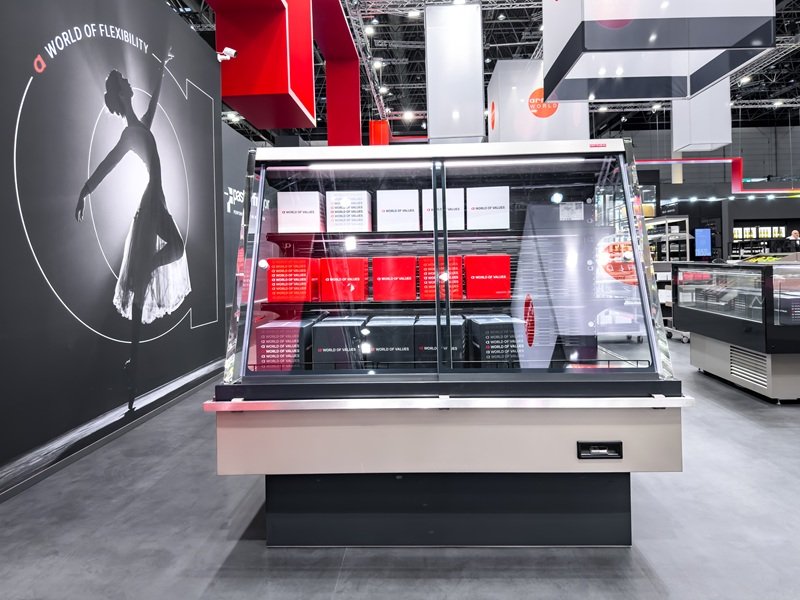
Arneg’s cabinet focus reinforced its “ecosystem” positioning, linking smart merchandiser concepts to store integration and monitoring. It highlighted new cabinet formats presented as part of interconnected solutions rather than isolated product updates. The narrative tied cabinet innovation to energy and operational continuity outcomes.
CIAM
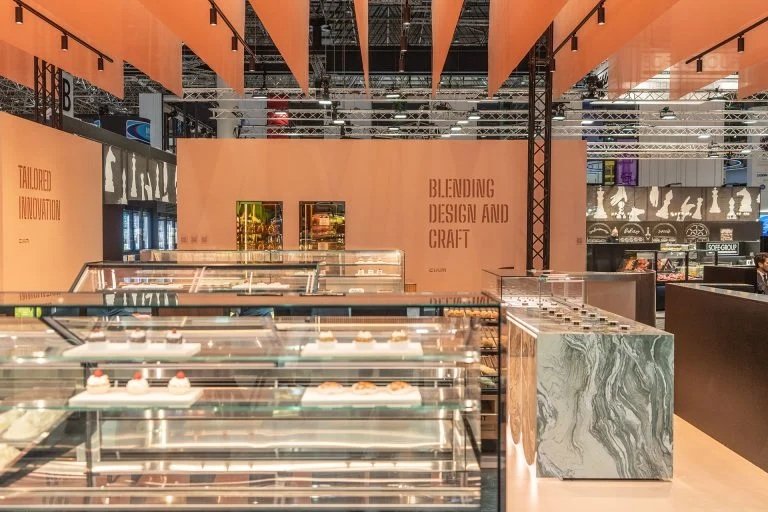
CIAM presented its “Industrial Atelier” concept and described an integrated ecosystem combining CIAM, Criocabin, and CierreEsse capabilities. It highlighted showcased display solutions positioned around performance, reliability, and integration into food retail architecture. Product references included Exclusive Zero, Jewellery, Brilliant, and Ice Queen. The concept was framed as scaling bespoke design into a system approach. The provided post-show material did not specify refrigerants.
Epta
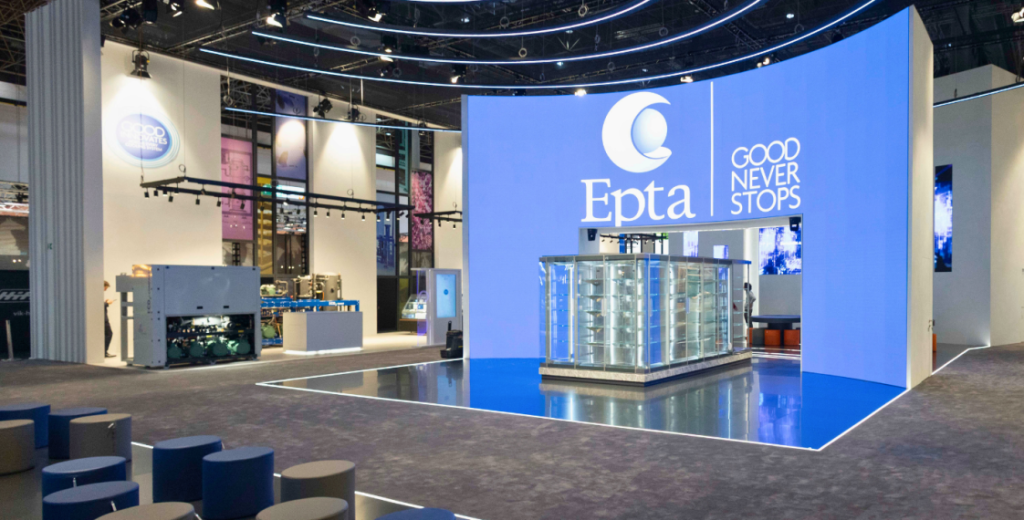
Epta positioned EuroShop around all-round solutions that combine hardware, software, skills, and consulting. It highlighted Zenith positive vertical cabinets with a cube-style transparency concept and increased display area versus previous solutions. Epta also introduced MyEpta as a platform for technical data and support access via Asset ID and Store ID, including NFC-based access. The materials included quantified efficiency and design claims such as insulation thickness changes and stated savings versus reference configurations. MyEpta was positioned as providing access to documentation and KPIs without requiring additional connectivity or hardware.
Related reading: Epta highlights Zenit cabinet, HAUSER deal at EuroShop
FREOR
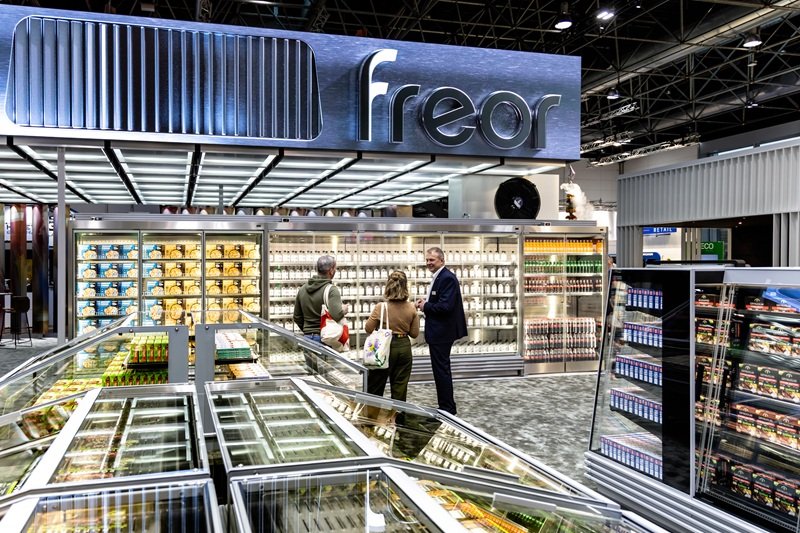
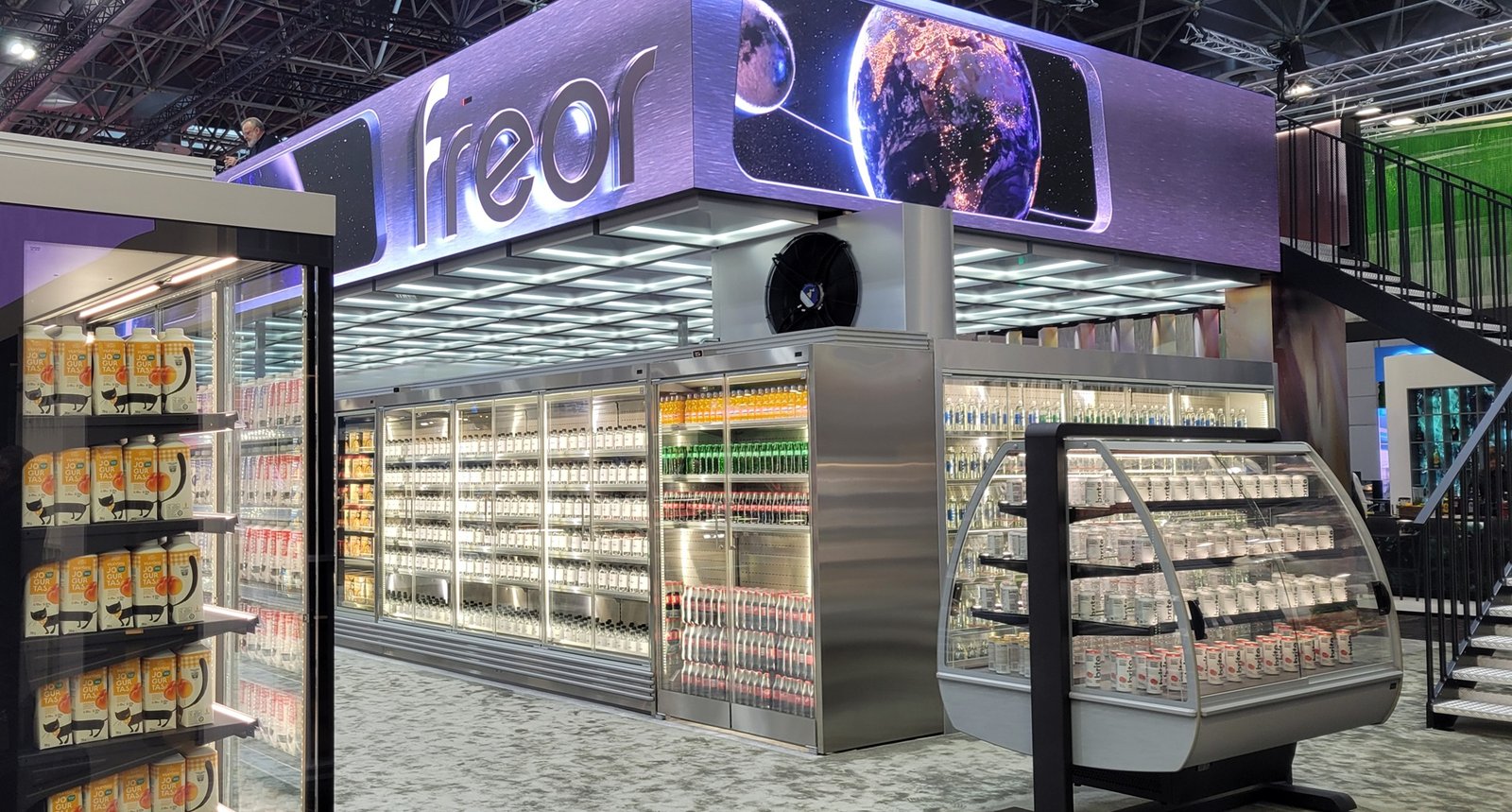
FREOR highlighted ENERGY equipment models introduced at EuroShop 2026 and positioned them around improved energy performance. It listed multiple cabinet, island, and counter configurations for fresh and frozen displays. Hydroloop Monoblock was presented for small and medium cold rooms connected to an R290-driven line, and FREOR Glass Doors were included as part of the solution set. ENERGY models were described as delivering up to 50% higher energy efficiency compared with standard models, as stated in the materials. The overall message focused on adaptable formats across store sizes and natural refrigerant readiness.
LUVE Group
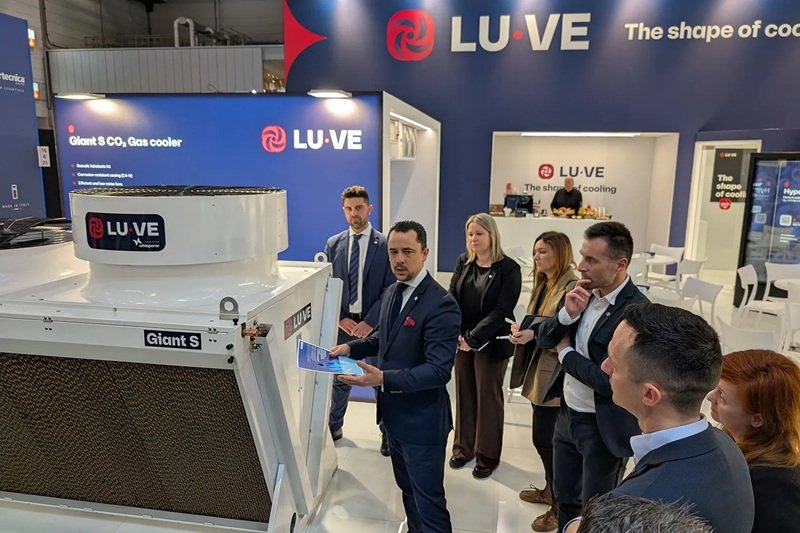
LUVE described a EuroShop focus on heat exchanger design, positioning a Giant S gas cooler for transcritical CO2 applications while referencing readiness for R290 and A3 refrigerants. Through TGD, it highlighted cabinet door developments including vacuum glass concepts and additional door lines. Essenzia was described as launched during the trade fair. The narrative emphasised efficiency, compactness, and performance, with qualitative references to testing/specification work.
PAN-DUR
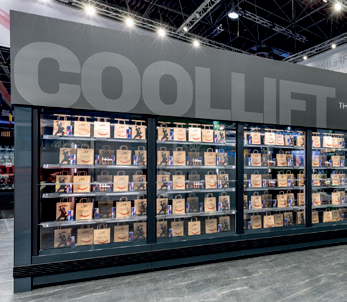
PAN-DUR highlighted Coollift as a refrigerated display concept using vertically opening door technology. The system was positioned around energy efficiency, ergonomics, and product presentation, and described as a “world-first” innovation. Post-show notes referenced strong visitor interest and project enquiries. The core message centred on access design and space-use logic for multidecks.
Controls, monitoring, and energy management
AHT Cooling Systems
AHT positioned monitoring as a practical enabler within integrated retail system designs. Its monitoring layer was presented as supporting transparency and performance management across store formats and architectures. The message linked monitoring to day-to-day operational control rather than monitoring as a standalone feature.
BITZER
BITZER framed capacity control as a direct lever for part-load efficiency and stable operation. Module-based functions and speed control were positioned as ways to reduce operating costs while maintaining availability. Retrofit kits were highlighted as a practical path to add capacity control functions to installed compressors. The materials also referenced integration concepts where operating data and warnings can be incorporated into broader control strategies.
Eliwell (with Schneider Electric)
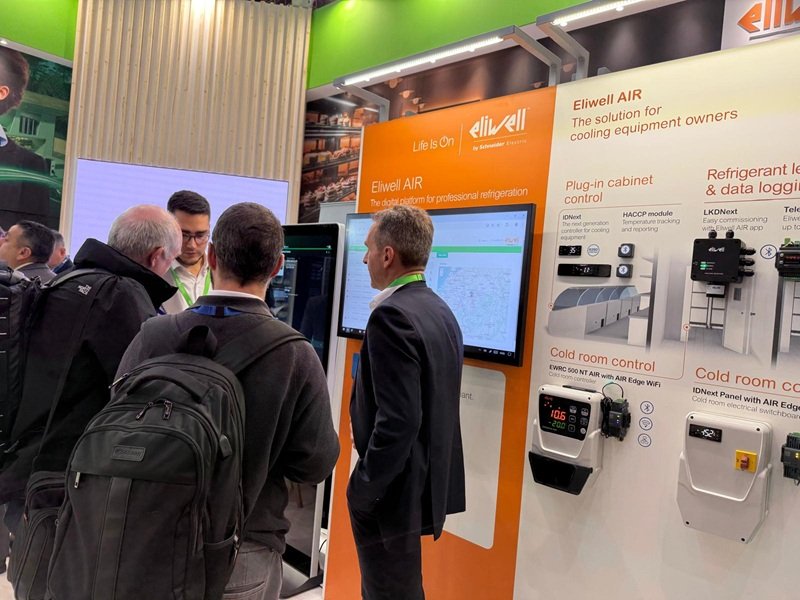
Eliwell presented an integrated energy management vision for food retail, spanning advanced refrigeration control through to building energy supervision. Refrigeration Expert XP v1.4 was shown with new features such as autodetect for controller configurations and device profile management. Eliwell AIR supported HACCP-oriented data download and reporting for plug-in cabinets. EWNext 1000 was positioned for variable loads and combined temperature and humidity control. Remote monitoring and maintenance were presented as practical tools for small refrigeration systems, supported by quantified energy reduction figures from a project example.
Epta
Epta’s controls and data message centred on simplifying technical access and service actions through MyEpta. NFC-based Asset ID access and store-level Store ID views were positioned as practical ways to deliver manuals, KPIs, and documentation to stakeholders. The approach was framed as reducing friction in service and operations without adding extra hardware requirements.
Refra
Refra presented control and energy visibility as optional elements within the CO2 Light system concept. Advanced control options and energy monitoring kits were positioned as add-ons supporting performance visibility and optimisation.
Refindustry has announced a call for case studies for the next CO2 Special Edition of Refrigeration Industry Magazine
The previous issue can be viewed here.
Interested companies can request the official submission form below or contact Refindustry by e-mail.