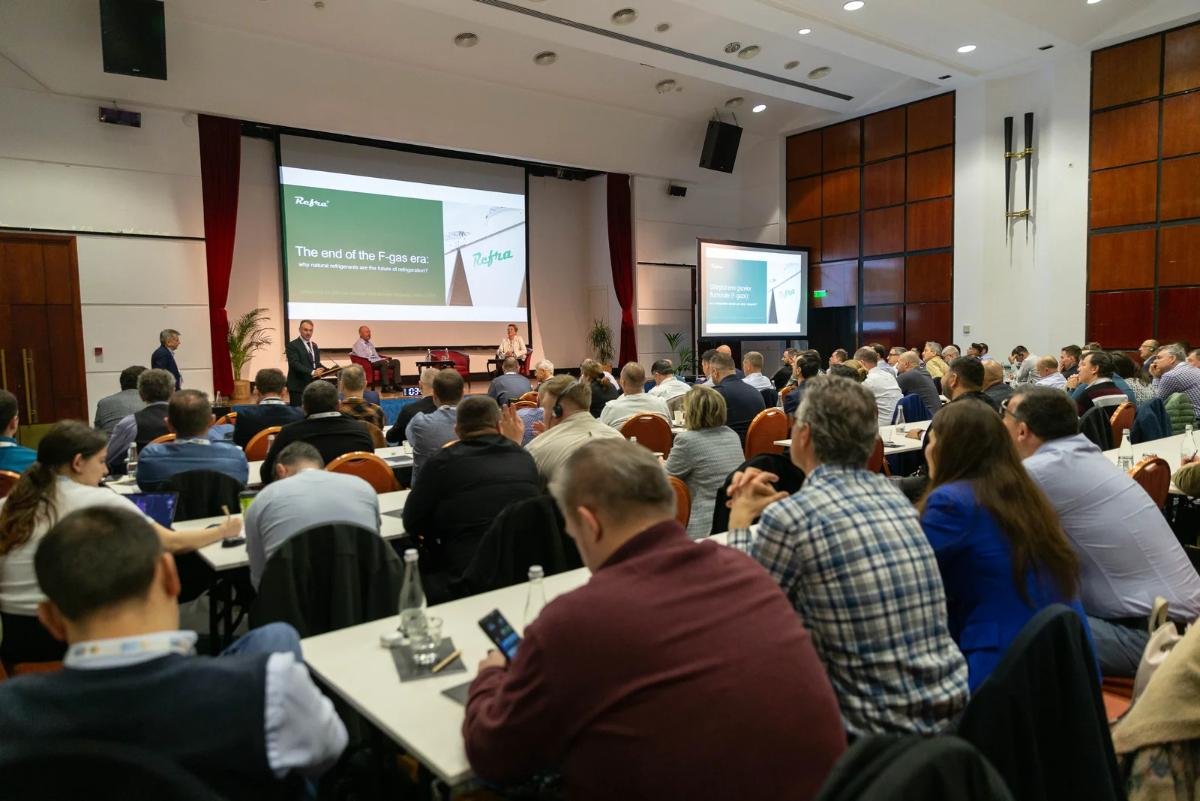
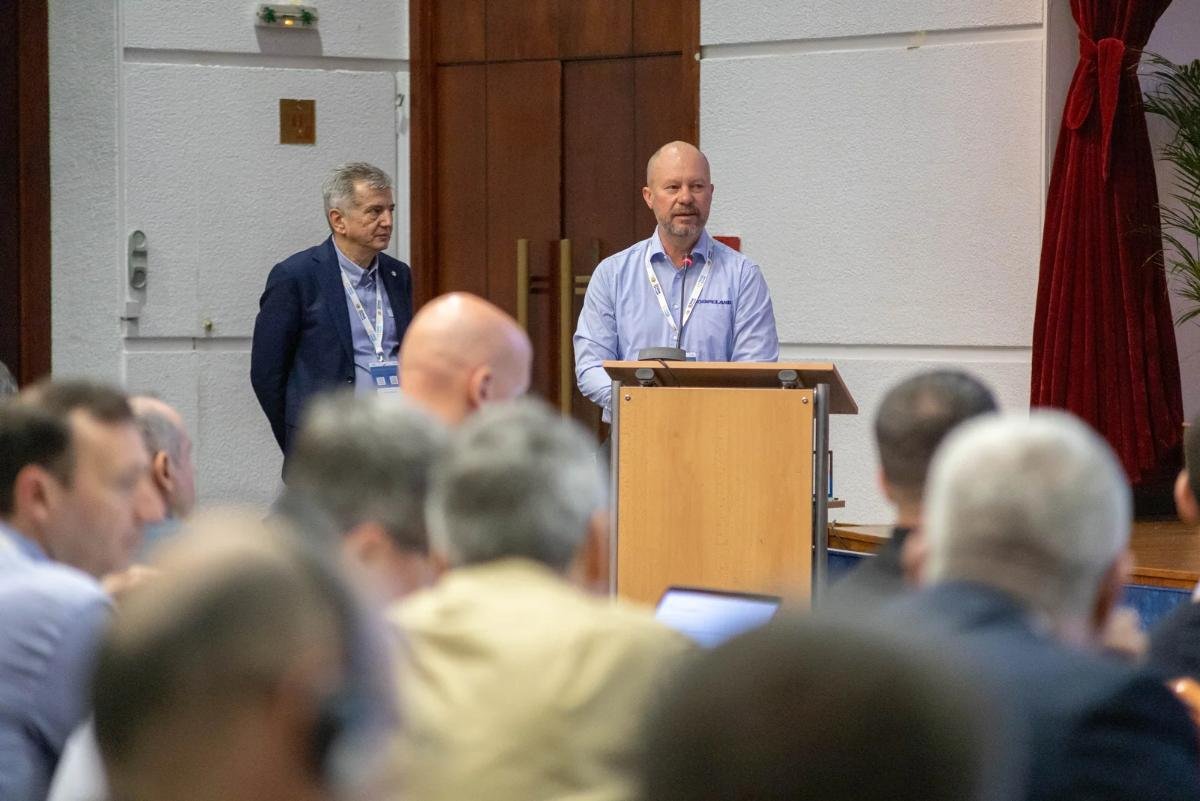
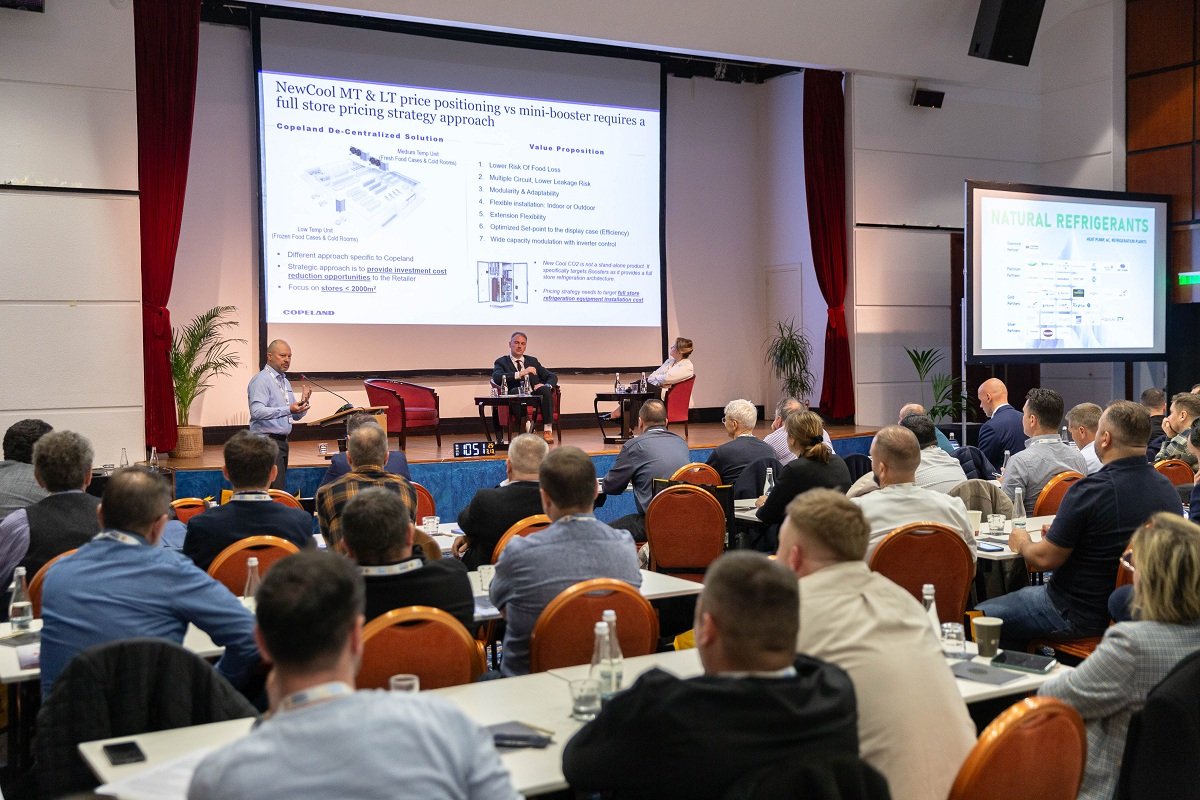
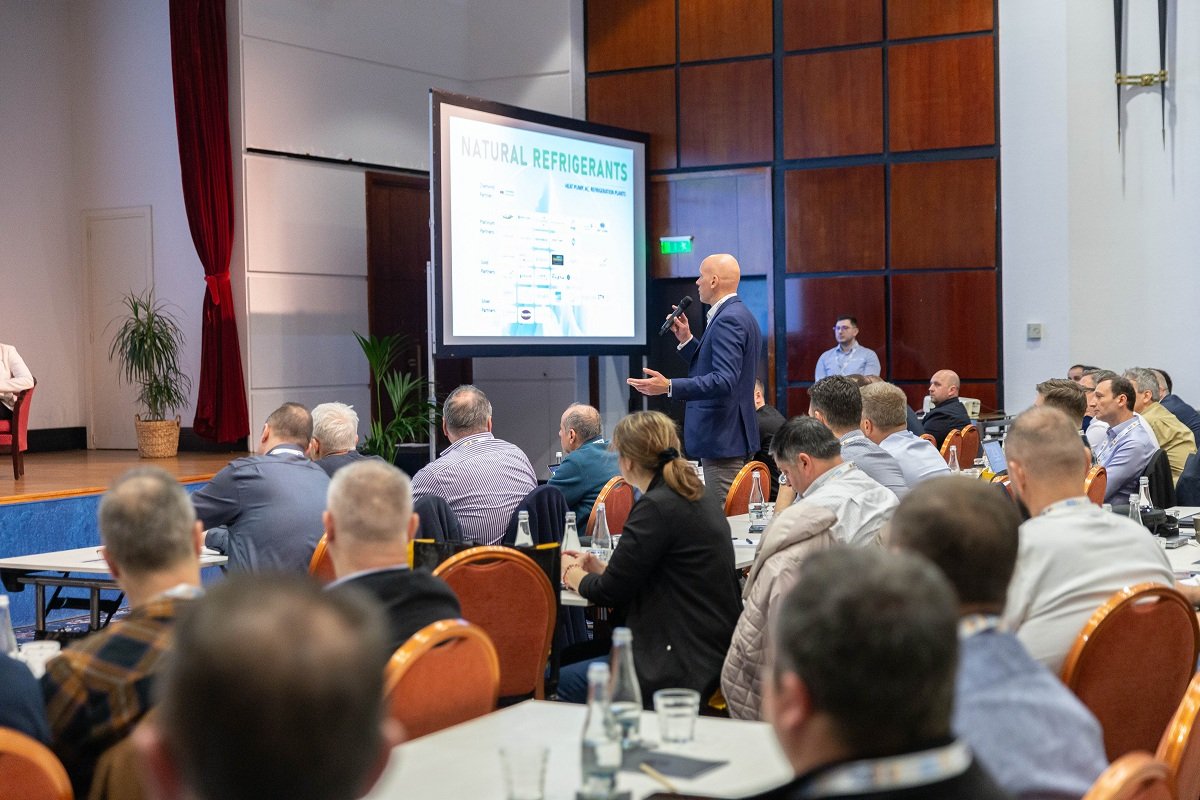
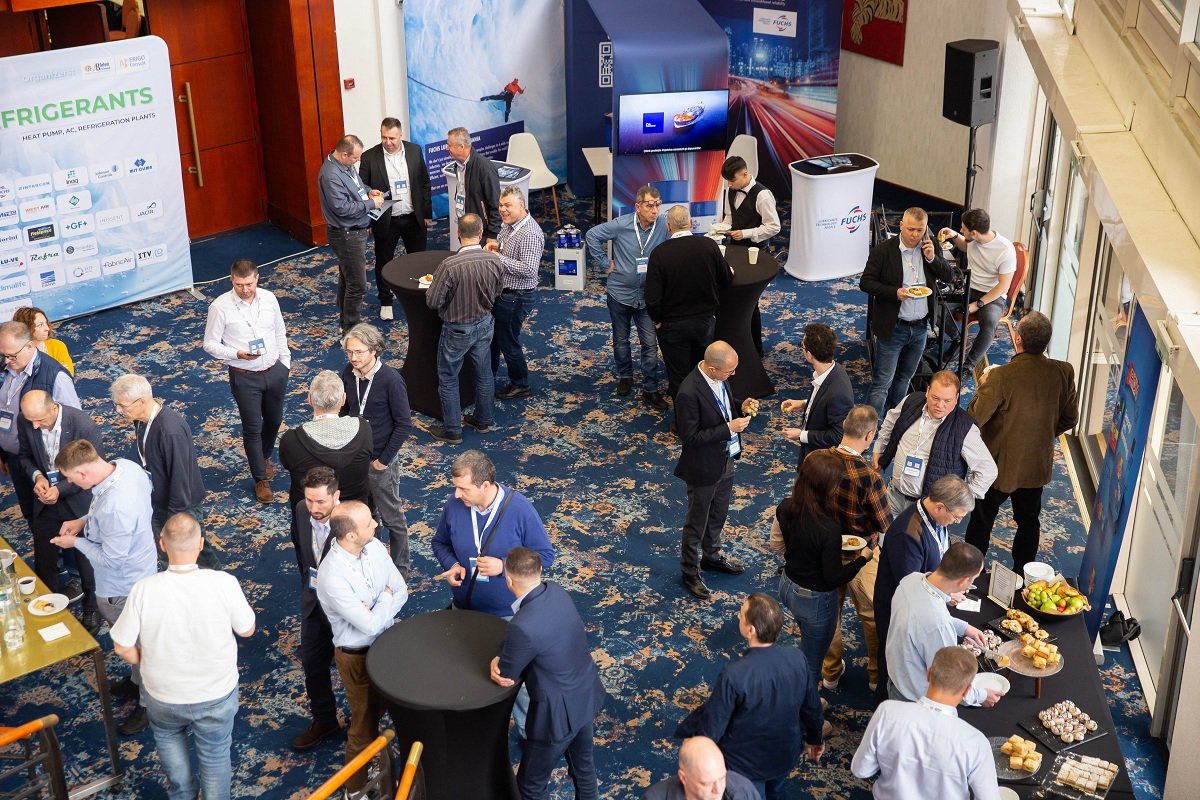
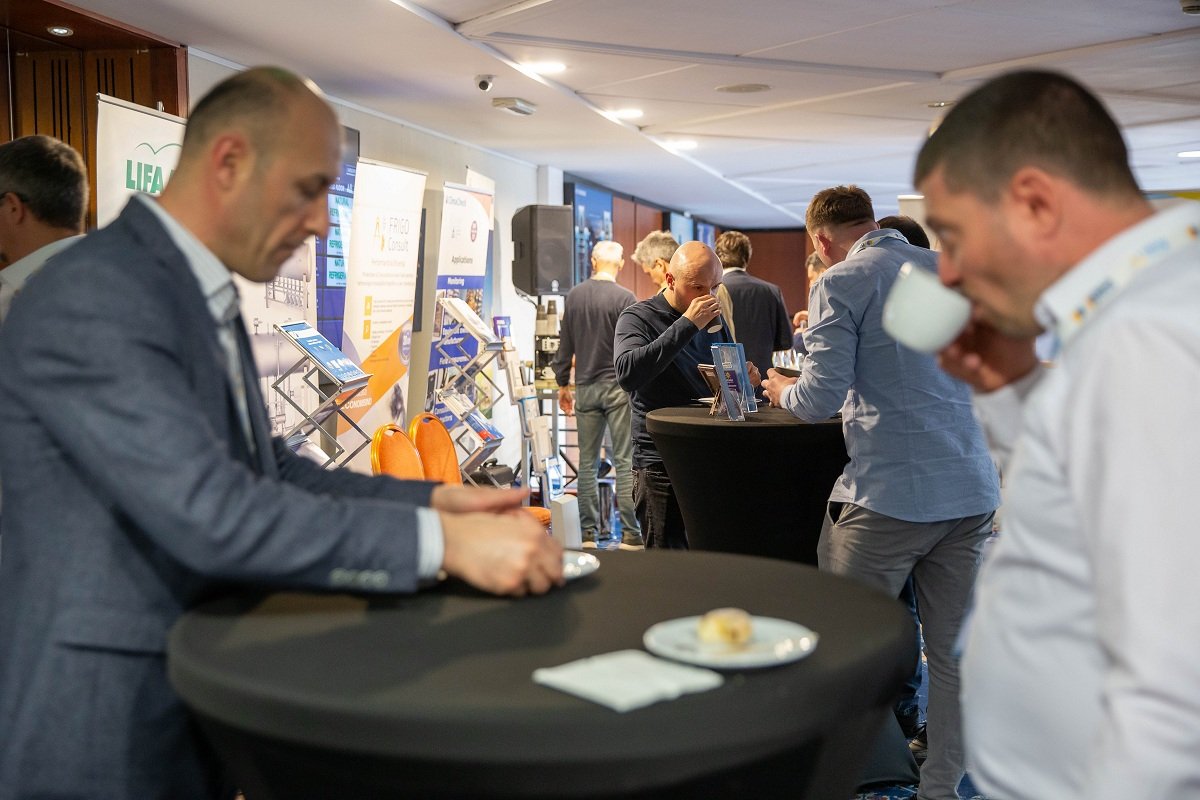
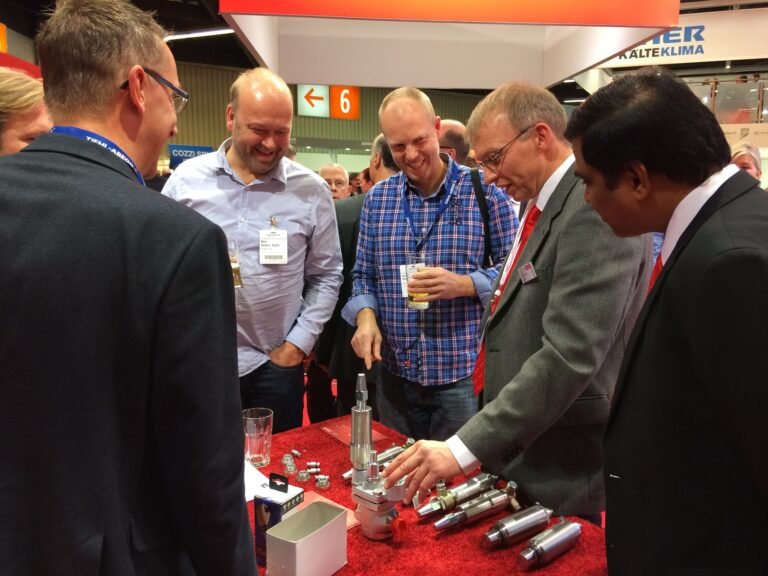
We met and talked on the sidelines of the Natural Refrigerants Conference 2025 in Bucharest with Adrian Balaoi, CEO of AB Frigo Consult Tehnic (www.ab-frigoconsult.ro) and AB Tehnic Profesional (www.abtehnic.ro) , and the conference organizer. Sergei Mukminov, editor-in-chief of Refindustry, spoke with Adrian about the event, innovations presented at the conference, and his views on the future of natural refrigerants. The conference attracted around 150 refrigeration professionals from Germany, Italy, Denmark, Romania, and neighbouring countries.
Refindustry: Adrian, thank you for joining us. First, let’s discuss your motivation. What inspired you personally to create the Natural Refrigerants Conference?
Adrian Balaoi: Thank you, Sergei. It’s always a pleasure. My journey started more than 35 years ago. I experienced first-hand how Romania transitioned from ammonia-based refrigeration systems, which were highly reliable, to synthetic refrigerants after 1990. Although synthetics initially seemed promising, I soon recognized their limitations regarding efficiency, environmental impact, and regulatory instability. My personal belief in sustainable solutions led me to establish the Natural Refrigerants Conference. My goal has always been to educate, inform, and foster practical knowledge in natural refrigerants, especially ammonia, which I deeply believe is a key solution for the future of refrigeration.
Refindustry: This year’s conference is particularly impressive, both in scale and content. Can you elaborate on the key highlights?
Adrian Balaoi: This year’s conference is truly special, featuring many innovative presentations. A significant highlight is the new refrigeration system introduced by Refolution, a German company. They presented a cutting-edge technology using air as a refrigerant combined with adiabatic cooling, particularly designed for ultra-low temperature applications. Additionally, HB Products showcased their revolutionary refrigeration technologies, including unique quality sensors or defrost sensor which are unmatched in the current market, significantly enhancing operational efficiency and reliability in refrigeration plants.
Refindustry: Could you share your perspective on how natural refrigerants will develop in the coming years?
Adrian Balaoi: Natural refrigerants, especially ammonia, have shown remarkable stability and sustainability compared to synthetic refrigerants, which have frequently faced regulatory restrictions and phase-outs. Ammonia remains highly efficient and reliable for industrial refrigeration, while propane is becoming increasingly popular in smaller applications despite its flammability. Moving forward, I foresee continued growth and innovation in the field, driven by increased awareness, improved technology, and more skilled professionals entering the market.
Refindustry: What are the main challenges companies face when switching to natural refrigerants?
Adrian Balaoi: Companies face several hurdles in adopting natural refrigerants, notably safety concerns related to ammonia’s toxicity and propane’s flammability. There’s also a significant skills gap—many businesses lack technicians with the necessary expertise to handle these refrigerants safely and effectively. For example, I’ve seen companies choose simpler refrigerants instead of ammonia due to a lack of skilled personnel, even though ammonia would have offered better efficiency. Another challenge is the initial investment, as natural refrigerant systems often have higher upfront costs. To address these barriers, extensive education, training programs, and technical demonstrations are crucial, which we aim to provide through events like this conference.
Refindustry: What are your plans or visions for future editions of this conference?
Adrian Balaoi: We aim to enhance the international visibility and influence of the Natural Refrigerants Conference. We are actively working to partner with leading international industry organizations and associations. Future events might include multiple days, additional parallel sessions, and broader technical topics. Our goal is to establish this conference as a leading platform in Eastern Europe, continuously supporting the exchange of knowledge and adoption of sustainable refrigerants.
Refindustry: Finally, what key message would you like participants to remember from this event?
Adrian Balaoi: My main message is clear: natural refrigerants, such as ammonia, CO2 and propane, represent sustainable and efficient long-term solutions. However, there is no single perfect refrigerant suitable for every application. It is critical to carefully consider factors such as safety, efficiency, cost-effectiveness, and available technical skills. Continuous learning and close industry collaboration are essential. I encourage all attendees to invest in education and actively participate in dialogue, building together a future-ready refrigeration industry.