The ASEAN Centre for Energy (ACE), UN Environment Programme (UNEP), and UN Women have renewed their partnership to advance inclusive renewable energy and sustainable cooling policies across the ASEAN region. This collaboration builds on the EmPower: Women for Climate-Resilient Societies initiative and the UNEP Cool Coalition, aiming to address extreme heat challenges and the rising demand for cooling solutions.
Addressing Heat Vulnerability
Low-income communities are particularly vulnerable to extreme heat due to inadequate housing, limited access to cooling, and exposure to heat in workplaces and homes. Research also links heat stress to increased health risks, including higher rates of miscarriages among women. The renewed partnership highlights the need for inclusive, sustainable cooling solutions to promote resilience and social equity.
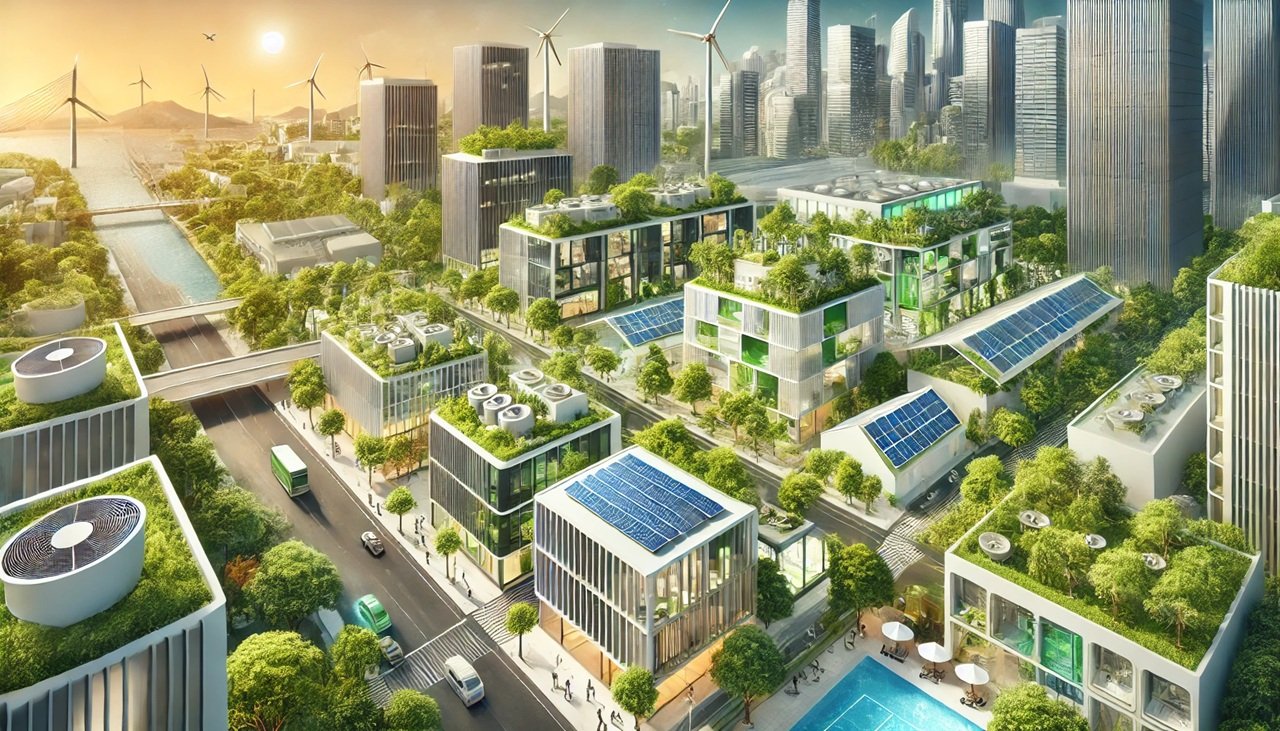
Urbanization in ASEAN countries often follows modern architectural trends that rely on glass facades and heat-retaining materials, increasing cooling demand. While traditional tropical architecture used passive cooling techniques, newer developments tend to prioritize air conditioning, further exacerbating climate vulnerability.
Strengthening Gender-Responsive Energy Policies
Since 2022, UNEP and UN Women have worked under the EmPower Programme to integrate gender-focused approaches into energy transition policies. This effort includes supporting ASEAN Member States in developing the Roadmap on Accelerating ASEAN Renewable Energy Deployment through Gender-Responsive Energy Policy, emphasizing gender equality and the collection of sex- and age-disaggregated data for better policy planning.
Additionally, the organizations have contributed to incorporating just transition principles into the ASEAN Plan of Action for Energy Cooperation 2026–2030 (APAEC), ensuring that energy policies across the region are inclusive and equitable.
New Focus: Passive Cooling Strategies
A key component of the renewed partnership is the development of the “Roadmap for Passive Cooling in the ASEAN Region: An Inclusive Heat-Resilience Approach,” set for release later this year under the Cool Coalition framework. This roadmap will provide ASEAN governments with strategic guidance on incorporating passive cooling principles into urban planning, investment policies, and governance. The initiative aligns with the UN Secretary-General’s Call to Action on Extreme Heat, issued in July 2024, which urges global cooperation on heat resilience strategies.
The Potential of Passive Cooling
Passive cooling methods use natural processes to reduce indoor temperatures, lessening reliance on energy-intensive air conditioning. According to the UNEP Global Cooling Watch Report, passive cooling could lower projected cooling demand by 24% by 2050, cutting emissions by 1.3 billion tons of CO₂ equivalent and saving up to $3 trillion in capital costs from avoided cooling infrastructure investments.
Examples of passive cooling techniques include:
- Reflective roofs and cool materials that minimize heat absorption.
- Well-placed windows to enhance natural ventilation.
- Shading elements like green facades or extended eaves to reduce solar heat gain.
When integrated into urban planning and building codes, these solutions help create more comfortable and resilient cities while reducing energy consumption. The Passive Cooling Roadmap will support the implementation of the UN Secretary-General’s Call to Action on Extreme Heat and contribute to ASEAN’s energy-efficient building initiatives.
This renewed collaboration underscores the importance of sustainable cooling strategies that address both climate and social challenges, ensuring that vulnerable populations benefit from climate-friendly and equitable energy solutions.