The 29th UN Climate Change Conference (COP29) marked a pivotal moment in the global effort to address climate challenges through sustainable cooling solutions. Building on the momentum of the Global Cooling Pledge launched at COP28, over 30 countries, along with intergovernmental organizations and civil society, reaffirmed their commitment to reducing cooling-related emissions while ensuring equitable access to life-saving cooling solutions.
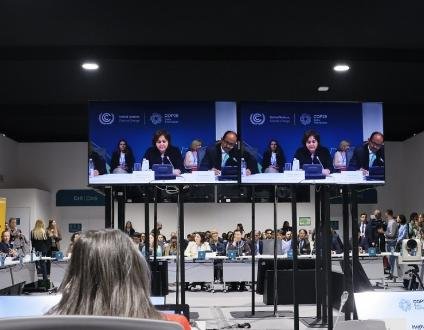
The Ministerial Roundtable on Delivering the Global Cooling Pledge, co-organized by the United Nations Environment Programme (UNEP)-led Cool Coalition and the UAE COP28 Presidency, brought together leaders to address the escalating demand for cooling as global temperatures rise.
Key Achievements and Milestones
- Expanded Global Commitments: Grenada became the newest signatory to the Global Cooling Pledge, joining 71 countries and 60 non-state actors. Together, these entities aim to reduce cooling-related emissions by 68% by 2050, contributing to an overall reduction of nearly 78 billion tonnes of CO₂ emissions.
- National Cooling Action Plans (NCAPs): Seventeen signatory countries have developed NCAPs, with four more under preparation. These plans provide a framework for integrating sustainable cooling into national development agendas and creating baselines for emissions targets.
- Updated Nationally Determined Contributions (NDCs): Countries such as the UAE and Brazil, co-chairs of the Pledge for 2025, have incorporated sustainable cooling into their NDCs, showcasing leadership in addressing extreme heat. Over 37 signatory nations are considering similar actions for upcoming NDC updates.
- City-Level Engagement: Fifteen cities joined the Pledge, implementing localized strategies like heat-resilient urban designs and nature-based cooling solutions. These efforts are vital, as urban areas account for 70% of global energy consumption.
Investments and Policy Support
- Financial Backing: Significant funding, including $120 million through the Montreal Protocol Multilateral Fund, is being allocated to manufacture energy-efficient equipment and phase down harmful HFCs.
- New Initiatives: The UK pledged $15 million to accelerate sustainable cooling technologies and support vulnerable communities, while Brazil’s unanimous appointment as Co-chair of the Global Cooling Pledge Contact Group reinforces its leadership in climate action.
Progress Report and Implementation Strategy
The endorsement of the 2024 Pledge Progress Report highlights achievements over the past year, while the adoption of the 2030 Global Cooling Pledge Implementation Strategy provides a roadmap for scaling up sustainable cooling solutions. This strategy will help nations operationalize their commitments, enhance access to cooling, and address the critical challenges posed by extreme heat.
Looking Ahead: COP30 and Beyond
As the host of COP30 in Belém, Brazil has underscored the urgency of sustainable cooling as a dual climate mitigation and adaptation measure. Plans for an Intergovernmental Committee on Cooling, set to launch at COP30, aim to strengthen cooperation and ensure accountability among nations.
The breakthroughs achieved at COP29 demonstrate a unified global effort to address one of the most pressing challenges of the climate crisis. With new NDCs and increased investment in sustainable cooling solutions on the horizon, the global community is poised to tackle extreme heat and pave the way for a more resilient, sustainable future.
For more information on the Global Cooling Pledge and the outcomes of COP29, visit UNEP’s Cool Coalition.