A coalition of 18 U.S. states, Washington, D.C., and New York City has sued the Environmental Protection Agency over a federal rule that gives companies additional time to stop using certain hydrofluorocarbons in commercial refrigeration equipment. The petition was filed on July 21 with the U.S. Court of Appeals for the District of Columbia Circuit.
The plaintiffs argue that the EPA’s decision unlawfully weakens climate protections established under the bipartisan American Innovation and Manufacturing Act. Signed into law in 2020, the act directs the EPA to reduce the production and consumption of hydrofluorocarbons, or HFCs, by approximately 85% by 2036.
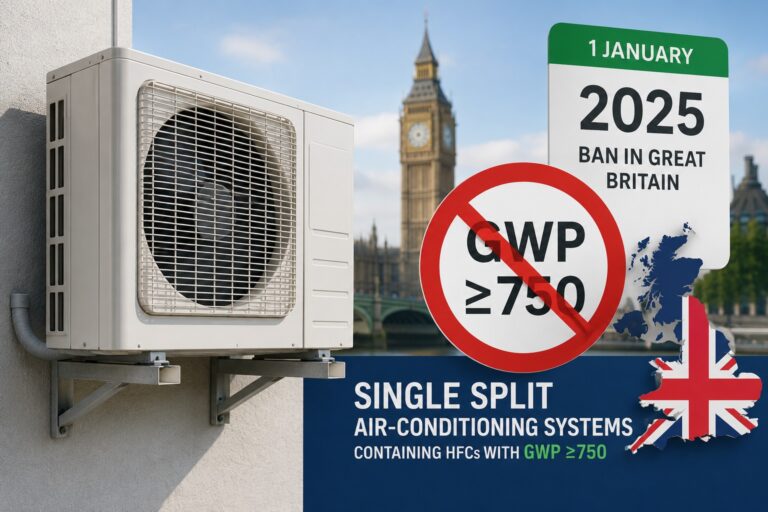
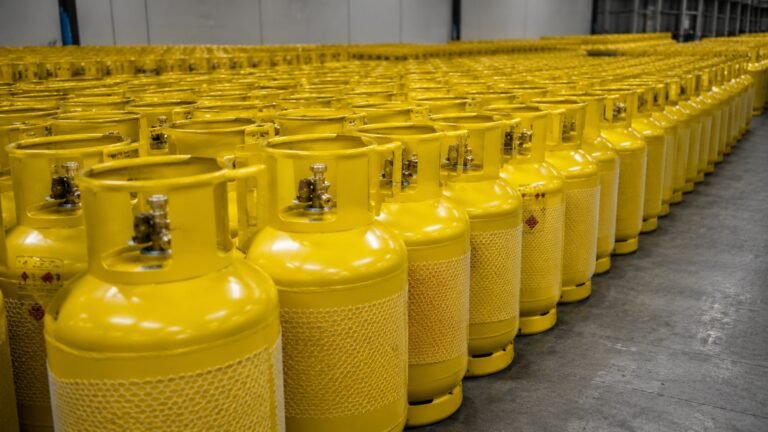
HFCs are widely used in air-conditioning and refrigeration systems, including supermarket refrigerators and freezers. Although they were introduced as alternatives to ozone-depleting chemicals, some HFCs have a global-warming impact thousands of times greater than carbon dioxide.
According to the New York attorney general’s office, the challenged rule delays compliance deadlines for several types of commercial refrigeration equipment by as much as six years. One provision would allow remote condensing systems used by supermarkets, convenience stores and bakeries to continue using refrigerants with more than nine times the previously permitted global-warming potential until 2032.
The coalition says the rollback will increase greenhouse-gas emissions, slow the transition to cleaner refrigerants and disadvantage companies that have already invested in meeting the original requirements. The states also argue that weakening demand restrictions while the supply of HFCs continues to decline could create shortages and raise costs for consumers.
The EPA declined to comment directly on the pending litigation. In its regulatory filing, however, the agency said the rule was intended to reduce living costs and prevent refrigeration requirements from increasing the prices of food and semiconductors. The rule is scheduled to take effect on July 27.
The legal challenge includes California, Colorado, Delaware, Hawaii, Illinois, Maine, Maryland, Massachusetts, Michigan, Minnesota, Nevada, New Jersey, New York, Oregon, Rhode Island, Vermont, Washington and Wisconsin, along with the District of Columbia and New York City.