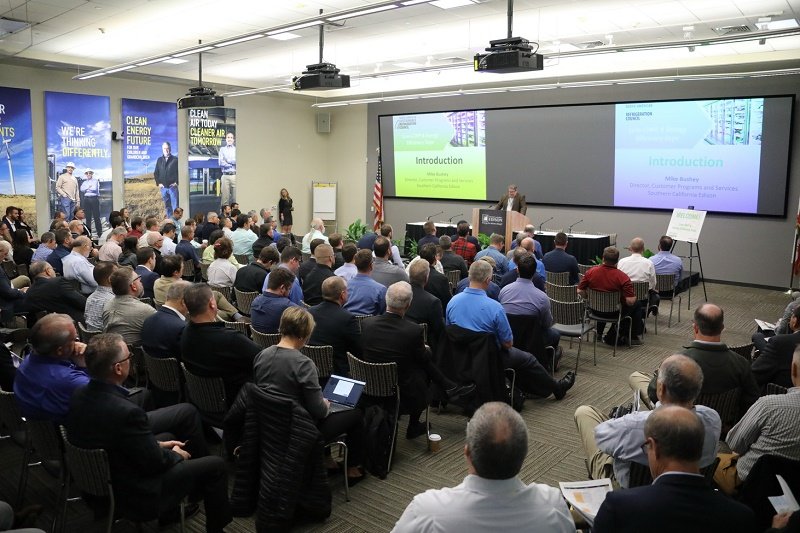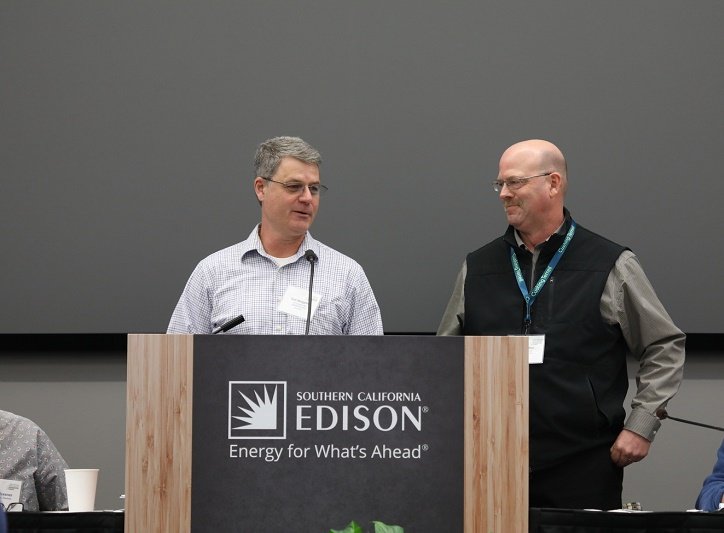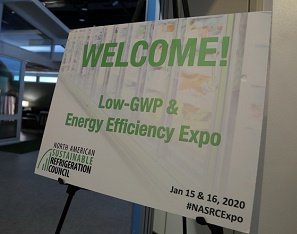
On January 15th and 16th, the North American Sustainable Refrigeration Council (NASRC) and Southern California Edison (SCE) co-hosted the first-ever Low-GWP & Energy Efficiency Expo, which brought together supermarket refrigeration, energy management, and regulatory stakeholders to explore the latest commercial refrigeration technologies offering both low global warming potential (GWP) and energy efficiency benefits.
These technologies are of growing interest to the supermarket industry, in-part due to pending California regulations that were developed in response to the State’s goals to reduce greenhouse gas (GHG) emissions to 40% below 1990 levels by 2030 and reduce hydrofluorocarbon (HFC) emissions to 40% below 2013 levels by 2030. HFCs are of particular interest because they are extremely potent GHGs with thousands of times more warming potential than CO2, and have been named the fastest growing sources of GHG emissions globally.
To meet these goals, the California Air Resources Board (CARB) has proposed new refrigerant regulations that will require retailers to reduce their emissions by transitioning to lower global warming potential (GWP) refrigerants. The State’s ambitious GHG emission reduction targets will also require a decrease in indirect emissions from energy use, which has led to changes in state energy mandates.
Because supermarkets are more electricity-intensive than any other commercial building type and the refrigeration system makes up the largest electricity load in most supermarkets, both the energy use (indirect emissions) and global warming potential (GWP) of the refrigerants (direct emissions) must be addressed to maximize GHG emissions reductions. As a result, these state energy mandates and refrigerant regulations have significant implications for California grocers.
“Grocers are caught between increasing pressures to transition to low-GWP refrigerants and simultaneously reduce their energy use,” said Danielle Wright, executive director of the NASRC. “As a result there is a growing need for refrigeration technologies that are both low-GWP and energy efficient, which is why we created this expo event.”
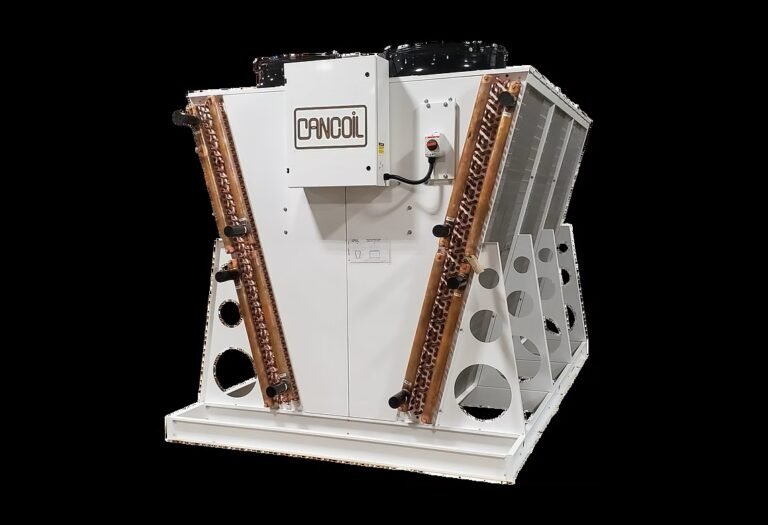
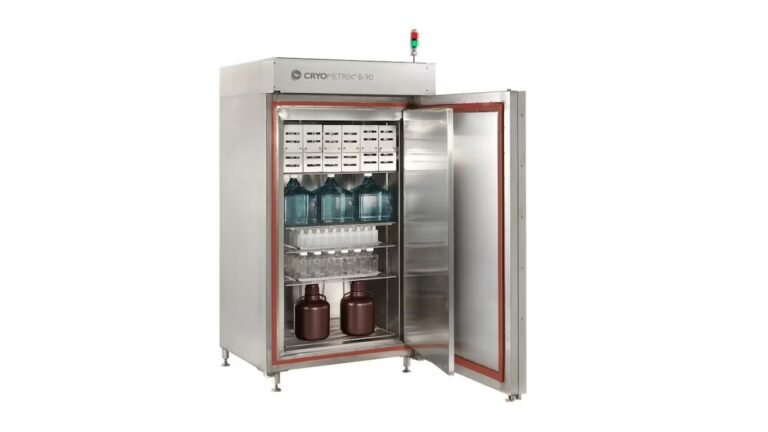
The expo featured 28 exhibitors offering low-GWP and energy efficient technology solutions, as well as a series of technomercial and case study presentations that highlighted specific solutions(see featured solutions here).Technology options for existing facilities were especially of interest, in-part because existing facilities represent the greatest potential for emissions reductions.
Despite the opportunity for emissions reduction, existing facilities also present the greatest challenge for retailers due to high costs, business impacts, and a lack of available technology options to modularly transition to low-GWP refrigerants. To address this challenge, Tom Wolgamot of DC Engineering and Rob Arthur of Cushing Terrell teamed up in one of the sessions to explore a series of design options to incorporate low-GWP refrigerants into existing stores. See their presentation here.
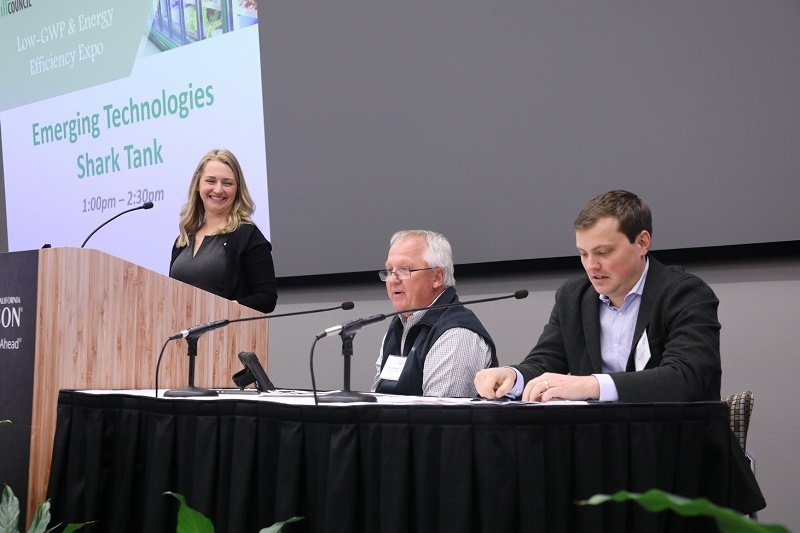
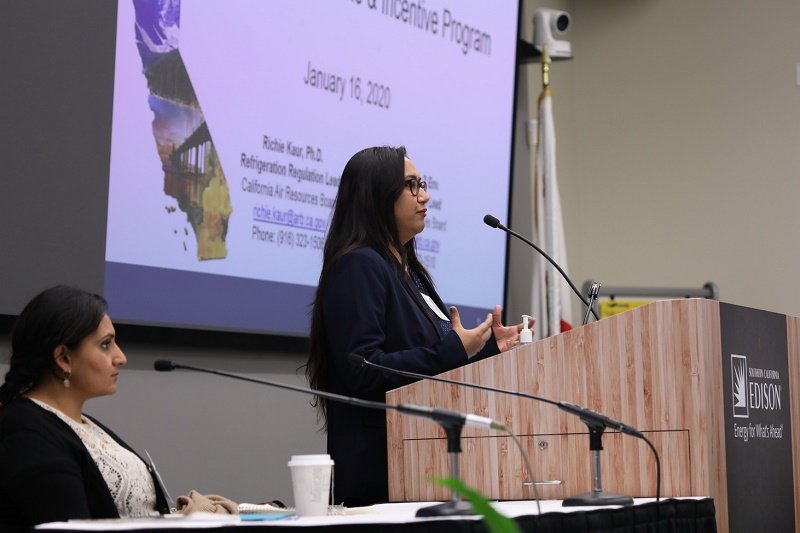
The Expo event also featured an Emerging Technologies “Shark Tank” session that highlighted the newest innovations in commercial refrigeration, a session that highlighted the new proposed measures for the California energy code and latest trends in utility programs, and a regulatory update from CARB on their HFC reduction measures and incentive program.
Two recurring themes throughout the event were the need for both regulatory coordination and funding support to achieve GHG emissions reduction targets. Cost remains the greatest barrier to advancing these technologies, especially in existing facilities. As a result there is a considerable need for funding assistance to support the transition to low-GWP refrigerants. Collaboration between the industry and regulators can also reduce the burden of transitioning, and even lead to more effective regulations.
The NASRC plans to build on the momentum of this event to address the challenges preventing a low-GWP and energy efficient future for supermarket refrigeration and to coordinate funding sources for low-GWP technology installations.
“This event laid the groundwork for key solutions that will lead to significant progress for the industry, and NASRC is uniquely positioned to drive these forward solutions with our members and partners.” said Wright.“That’s exactly what we were formed to do.”