Panasonic Group has released its 2026 Sustainability Data Book, reporting key progress in reducing CO₂ emissions across its operations and Heating & Cooling Solutions business in Europe.
Under its environmental strategy “Panasonic GREEN IMPACT,” the company emphasizes the role of its European Heating & Cooling business in delivering energy-efficient, low-carbon HVAC solutions. These systems aim to reduce carbon emissions and promote circularity, while improving indoor air quality in residential and commercial environments.
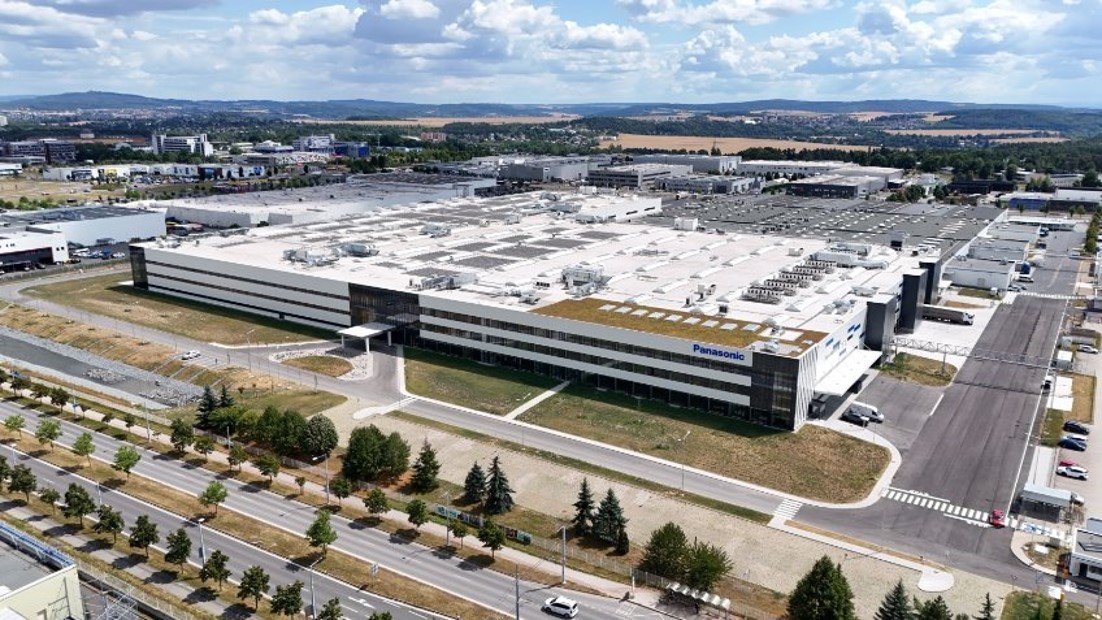
As of 2025, 45 Panasonic factories worldwide have achieved net zero CO₂ emissions—surpassing the company’s 2025 target of 37 factories. The results were achieved through energy-saving measures, renewable energy use, and advanced energy management systems. Panasonic plans to achieve net zero CO₂ emissions at all factories by 2030. The recently opened Aquarea heat pump factory in Pilsen, Czech Republic, is expected to meet this target soon.
The group also reports avoided CO₂ emissions through its product portfolio. Its air-to-water (A2W) heat pumps and domestic hot water (DHW) systems are reported to emit up to 65% less CO₂ than conventional gas boilers. In 2025, Panasonic products contributed to 53.25 million tonnes of avoided CO₂ emissions, surpassing the company’s 2025 goal of 38.3 million tonnes.
Panasonic highlights other contributions, including advanced ventilation and air purification systems such as Energy Recovery Ventilators (ERV), which are designed to reduce energy use while supporting healthy indoor air quality and sustainability certifications.
The company’s environmental performance data is independently assured by LRQA, and Panasonic is listed in ESG indices including FTSE4Good, MSCI ESG, and EcoVadis.
Enrique Vilamitjana, Managing Director of Panasonic Heating & Cooling Solutions Europe, said: “At Panasonic, we believe that the future of heating and cooling is our own reduced CO₂ emissions and avoided CO₂ emissions of society, realising a circular economy. Our innovations in heat pumps, ventilation, and refrigeration, such as the new iCORE range and R290 refrigerant, are helping customers reduce their carbon footprint, lower energy costs, and improve indoor environments. We are proud to be leading the HVAC industry’s transition to a net zero, circular, and resilient future.”