08 December 2025
SWEP heat exchangers integrated into CERN's CO2 cooling upgrade in France
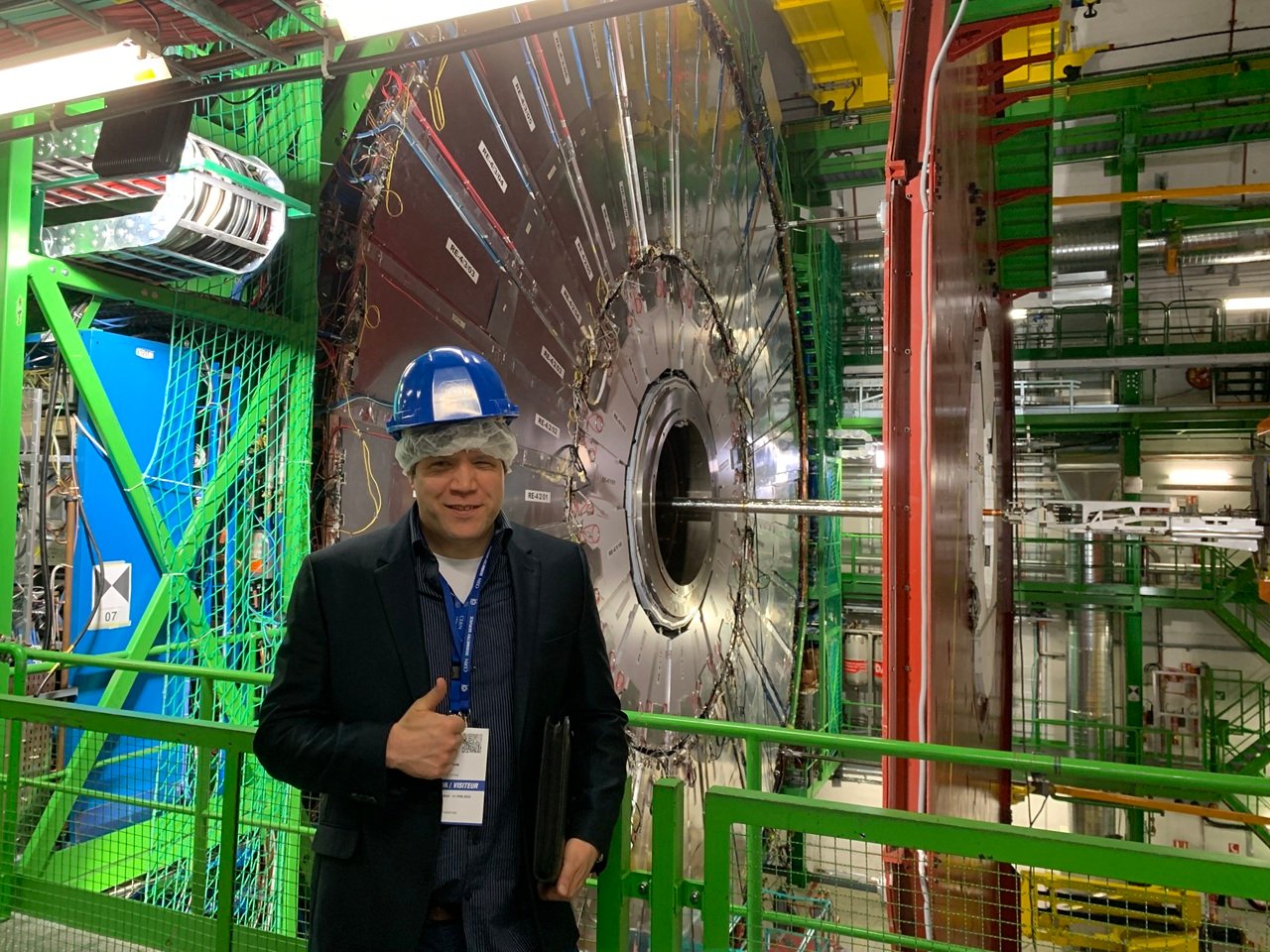
SWEP brazed plate heat exchangers have been integrated into the next-generation CO2 cooling systems for CERN’s CMS and ATLAS particle detectors, part of the High-Luminosity Large Hadron Collider (HL-LHC) upgrade. The new systems are designed to maintain detector temperatures below -25°C, with a cooling capacity of up to 1 MW and operating temperatures as low as -53°C.
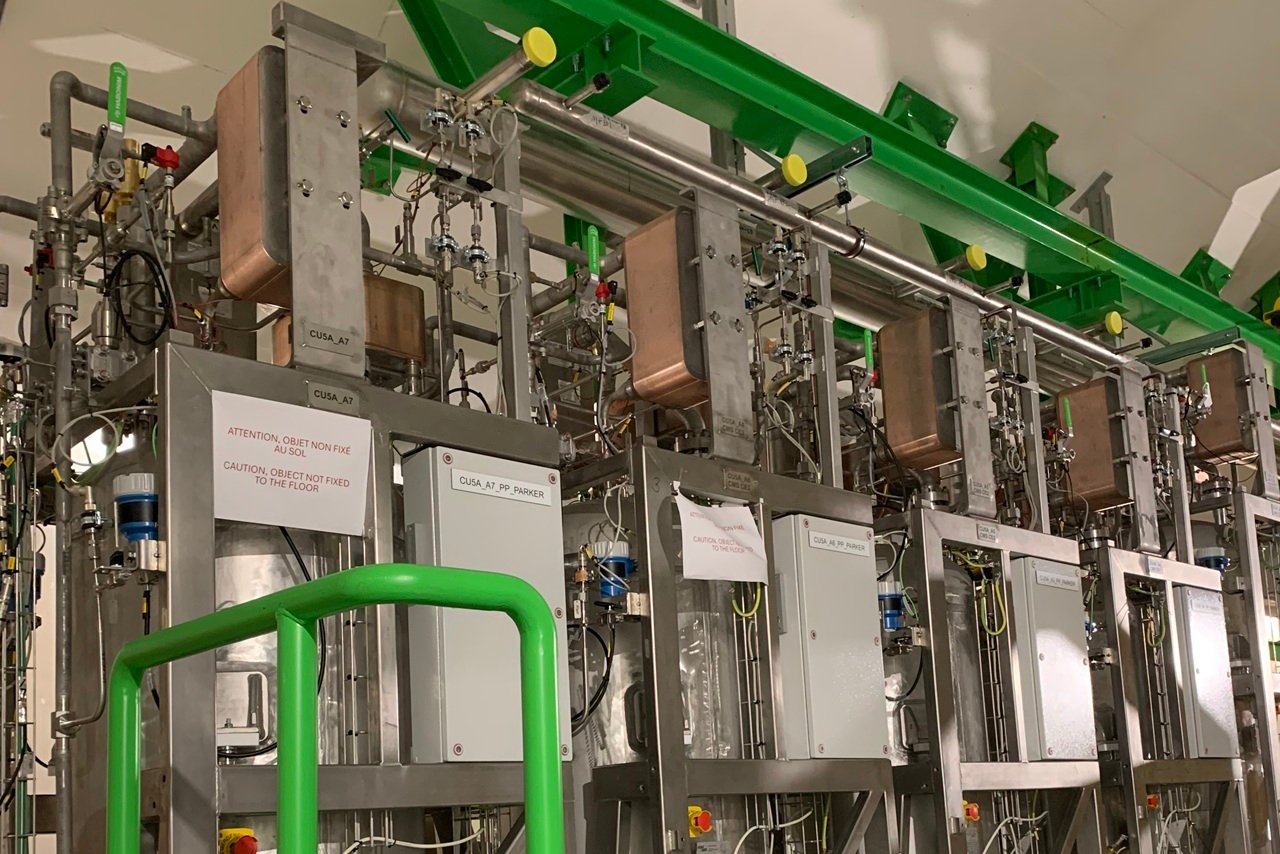
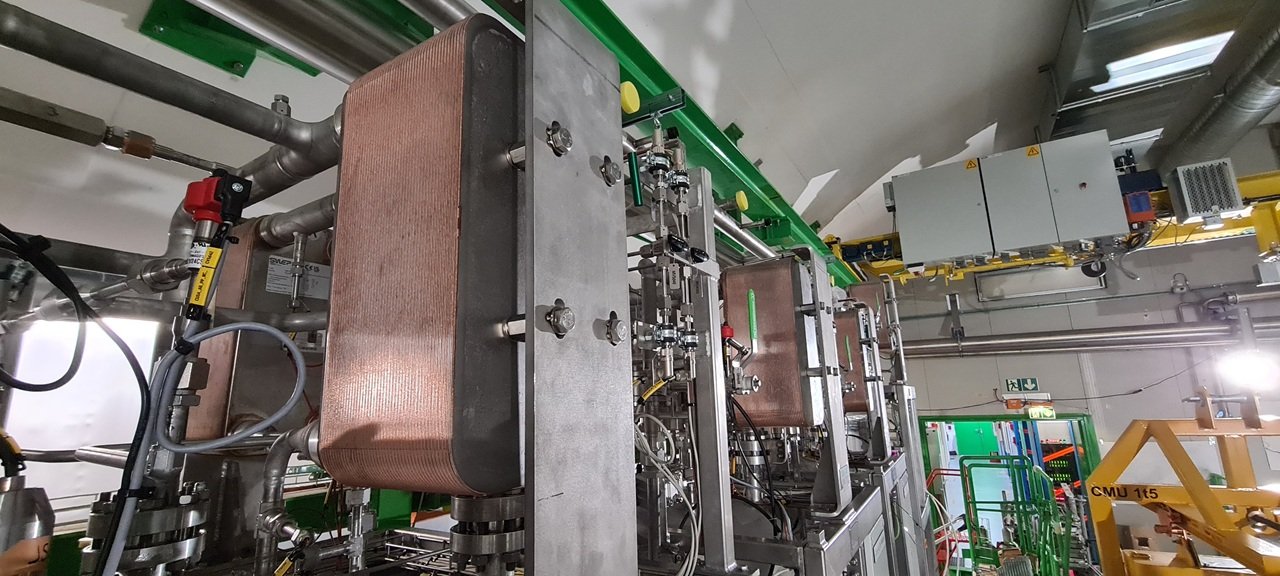
To meet the demanding requirements of this project, SWEP adapted its B185 brazed plate heat exchanger by incorporating a Q-pipe to create the Q185H model. These units function as CO2 evaporators, superheaters, and cascade heat exchangers. The upgraded cooling infrastructure significantly scales up the existing CO2 system, originally implemented in CERN’s LHCb and AMS detectors, by two orders of magnitude.
The cooling system relies entirely on natural CO2 (R744), replacing high-GWP synthetic refrigerants used in previous installations. This transition supports CERN’s broader sustainability roadmap to reduce direct greenhouse gas emissions and aligns with efforts to replace hydrofluorocarbon gases across various industries.
SWEP and CERN have a longstanding collaboration in high-pressure heat exchanger development. The partnership began in 2005 with the LHCb CO2-cooling project and has continued through the installation of multiple reinforced models, including the B16DW.
By 2025, nine CO2 cooling plants had been installed in the CMS experiment’s underground Service Cavern in Cessy, France. The systems will support detector operations from 2030 to 2045.
“With the CO2 refrigeration system and performance of up to 1 MW of cooling down to a temperature of -53°C, we have been able to push the boundaries of what can be achieved with this natural refrigerant,” said Yann Herpin, Cooling Engineer at CERN EP-DT-FS. “This new system, developed by CERN’s Engineering and Experimental Physics departments in collaboration with SWEP’s experts, is paving the way for further development in CO2 refrigeration technology.”
To meet the demanding requirements of this project, SWEP adapted its B185 brazed plate heat exchanger by incorporating a Q-pipe to create the Q185H model. These units function as CO2 evaporators, superheaters, and cascade heat exchangers. The upgraded cooling infrastructure significantly scales up the existing CO2 system, originally implemented in CERN’s LHCb and AMS detectors, by two orders of magnitude.
The cooling system relies entirely on natural CO2 (R744), replacing high-GWP synthetic refrigerants used in previous installations. This transition supports CERN’s broader sustainability roadmap to reduce direct greenhouse gas emissions and aligns with efforts to replace hydrofluorocarbon gases across various industries.
SWEP and CERN have a longstanding collaboration in high-pressure heat exchanger development. The partnership began in 2005 with the LHCb CO2-cooling project and has continued through the installation of multiple reinforced models, including the B16DW.
By 2025, nine CO2 cooling plants had been installed in the CMS experiment’s underground Service Cavern in Cessy, France. The systems will support detector operations from 2030 to 2045.
“With the CO2 refrigeration system and performance of up to 1 MW of cooling down to a temperature of -53°C, we have been able to push the boundaries of what can be achieved with this natural refrigerant,” said Yann Herpin, Cooling Engineer at CERN EP-DT-FS. “This new system, developed by CERN’s Engineering and Experimental Physics departments in collaboration with SWEP’s experts, is paving the way for further development in CO2 refrigeration technology.”