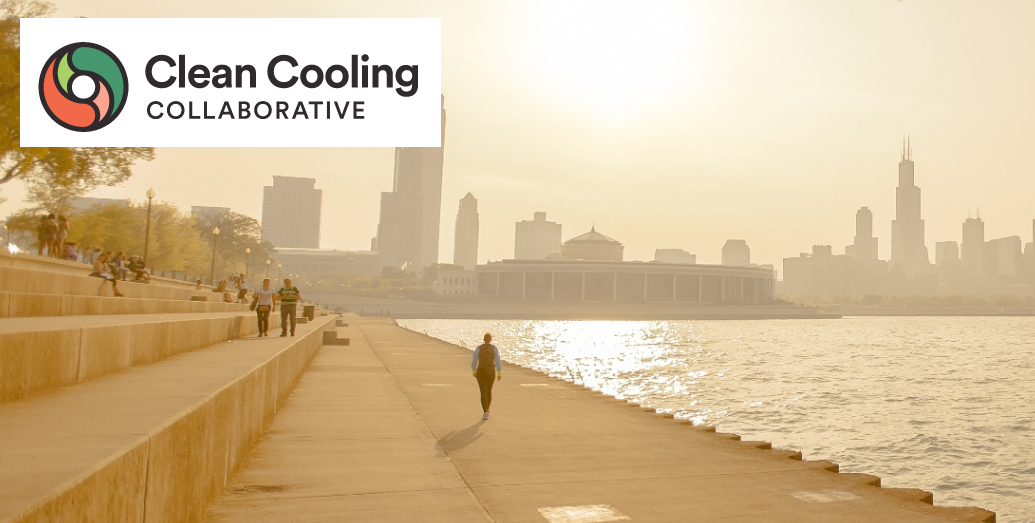
While access to cooling is taken for granted by many in countries like the U.S., where most households have some form of air-conditioning appliance, roughly 1,500 people in the country still die each year from the impacts of extreme heat. In fact, heat waves claim more lives in the U.S. than any other weather-related event.
In June 2021 alone, around 800 deaths were attributed to the record-breaking heat wave in the Pacific Northwest and British Columbia. More than 3,500 people in the U.S. were also admitted to emergency rooms for heat-related illnesses.
And the implications of heat extend beyond health and well-being, with heat exposure impacting students’ ability to learn and workers’ ability to work safely. In addition to creating dangerous conditions for workers, extreme heat is also known to destabilize the economic output of entire industries, like agriculture.
As with many aspects of the climate crisis, extreme heat disproportionately affects low-income households, who tend to live in areas where ambient temperatures are typically higher and access to cooling solutions is limited – exacerbating and perpetuating existing inequities.
As the world continues to warm and extreme heat events become more frequent and severe, it’s essential that we take urgent action to increase access to affordable clean cooling solutions, particularly for those who face the most significant risks.
The built environment
In the U.S., cities can be up to 7° F (3.9° C) hotter than surrounding areas due to the urban heat island (UHI) effect. Even within cities, some neighborhoods are hotter than others, with disparities often falling along racial and economic lines. Neighborhood-level hot spots tend to be in communities with higher population densities, more buildings, and less green space.
A legacy of race-based land-use policies and practices – such as redlining in the U.S. – has resulted in disinvestment in neighborhoods where people of color live. While this has led to many harmful systemic socioeconomic effects, it has also impacted the built environment of these communities and has contributed to the exacerbation of the UHI effect.
Heat and income
The effect of UHIs permeates indoors too when buildings are not designed with energy efficiency in mind, thus leading to higher temperatures for occupants. This is particularly unsafe for low-income households because they are less likely to have air conditioning in their homes.
Even for residents who might have air conditioning, the cost of running it – particularly with rising energy prices – makes thermal comfort unaffordable to many. Before the pandemic, one-third of U.S. households faced challenges in paying their energy bills, meaning that switching on the AC, even in the height of summer, becomes a difficult financial decision for millions of low-income Americans, even when health and safety are at risk.
The impacts of AC
While we need more cooling to adapt to our warming world, conventional ACs unfortunately contribute significantly to the warming of our planet. This is particularly true if they are inefficient and contain super-polluting refrigerants, which is largely typical of today’s appliances.
The amount of energy ACs use also creates a challenge for our energy grids, with electricity blackouts becoming increasingly common during extreme heat events due to spikes in energy demand from cooling.
The good news is that sustainable cooling solutions (both passive and mechanical) exist. To make efficient, climate-friendly cooling affordable and accessible to all, we need policymakers and other key stakeholders to implement various policies and programs that can help get rid of disparities.
Clean cooling for all
While ensuring country-wide access to sustainable cooling may seem like an impossible challenge, several solutions can help protect both people and the planet.
To begin, cities can limit the UHI effect and reduce neighborhood temperatures by adopting local policies and ordinances that set targets and requirements for enhanced green space and the use of reflective materials.
Making buildings more energy efficient and designing them with thermal comfort in mind can ensure they are also naturally cooler. This means that when air conditioning is needed, achieving and maintaining a comfortable and safe indoor temperature will take less energy.
Financial assistance programs can help low-income households purchase energy-efficient, climate-friendly cooling appliances (like efficient air conditioners or heat pumps) that cost less to operate due to reduced energy consumption. Similar programs can also provide low-income households with utility bill assistance during the heat season to cover cooling costs.
Clean Cooling Collaborative is working with a number of organizations across the U.S., including the New Buildings Institute, the Building Decarbonization Coalition, and the Center for Energy Poverty and Climate to roll out a variety of these solutions.
A resilient future
Without action, the impacts of extreme heat will only worsen as temperatures continue to climb. Under a high-emissions scenario, it’s estimated that heat-related deaths in the U.S. could rise by 57%.
Policymakers, businesses, and other stakeholders must collaborate to urgently implement sustainable and inclusive cooling solutions, including energy-efficient technologies and programs to support access.
Investing in accessible cooling is not just about protecting the well-being of individuals and communities, it’s also about ensuring a more resilient and sustainable future for the entire U.S. – and beyond. By ensuring resilience and promoting equitable access to cooling, we can protect public health, enhance economic productivity, and reduce energy demand.