Panasonic Corporation said two recent studies with academic partners suggest potential human-focused applications for its nanoe technology, which contains hydroxyl radicals in water. The company said the findings indicate possible benefits for driver concentration and for self-reported nasal symptoms linked to Japanese cedar pollen.
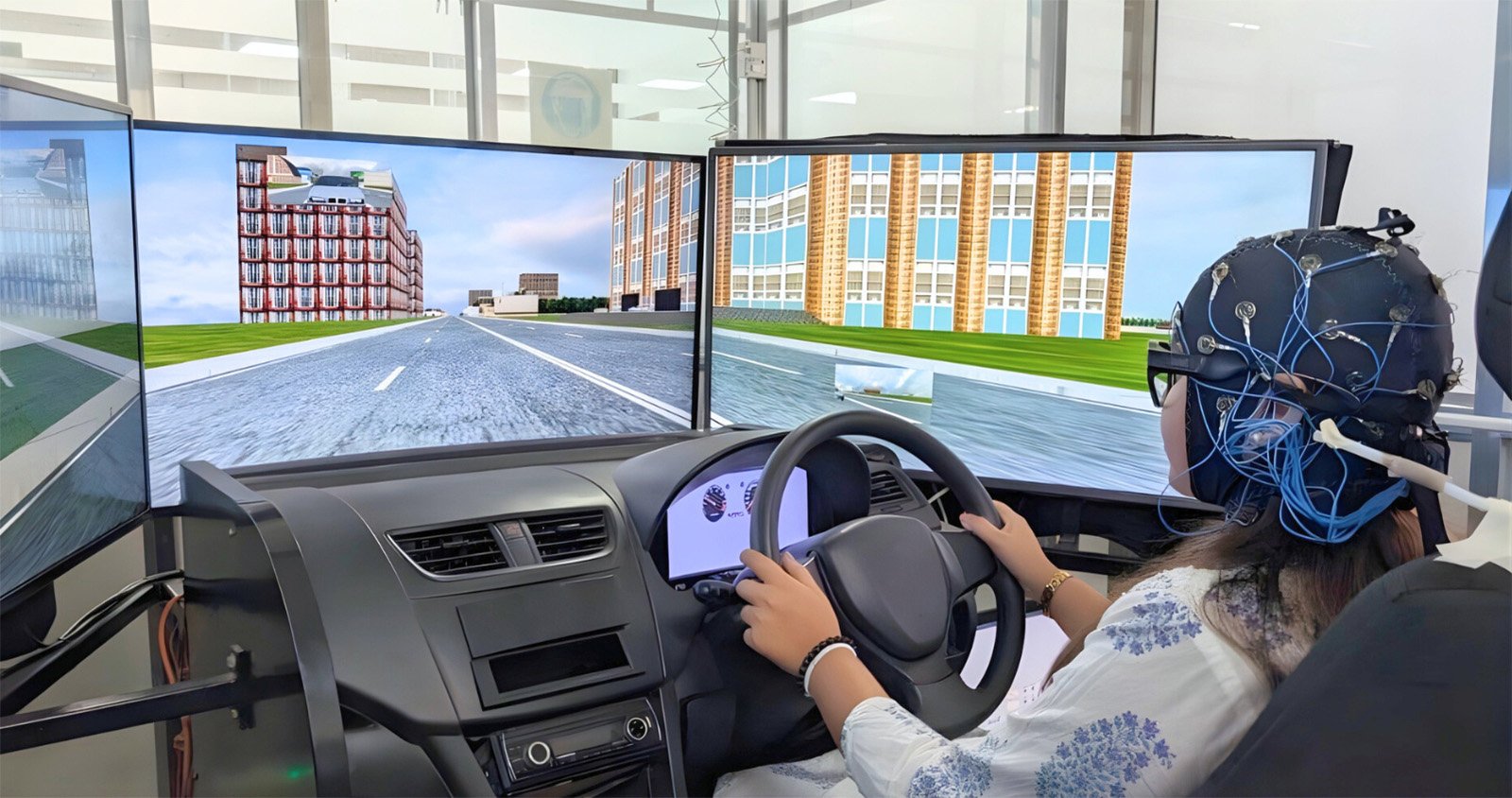
In the first study, conducted under the supervision of professors from the transportation systems engineering laboratory at the Indian Institute of Technology Bombay, Panasonic used a driving simulator with 20 male and female participants aged 21 to 42 living in India. The company said physiological data, including electroencephalography and eye-tracking, as well as driving data such as accelerator and brake inputs, were collected under conditions with and without nanoe. According to Panasonic, the results indicated that nanoe may support improved concentration and stabilize gaze behavior.
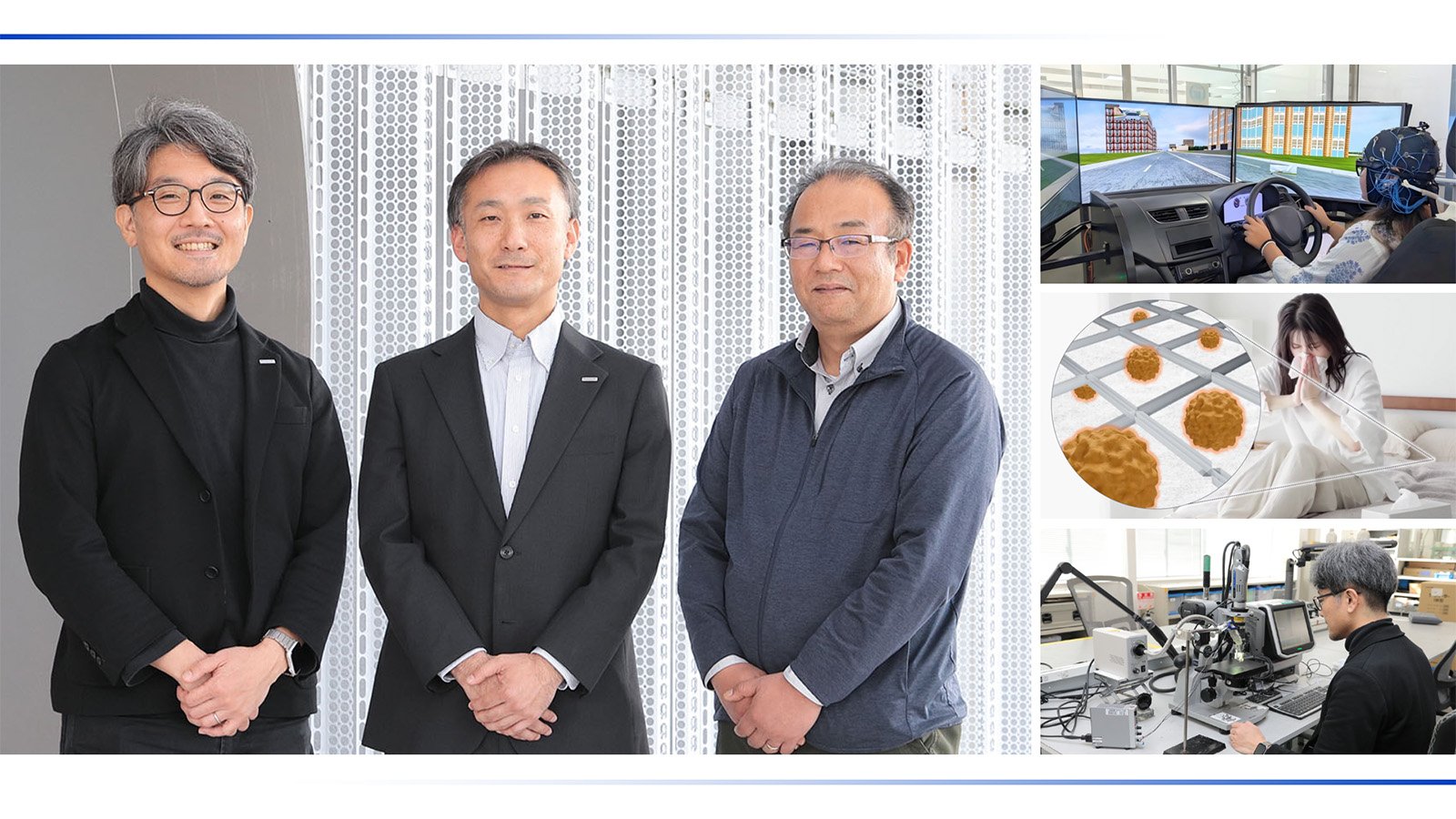
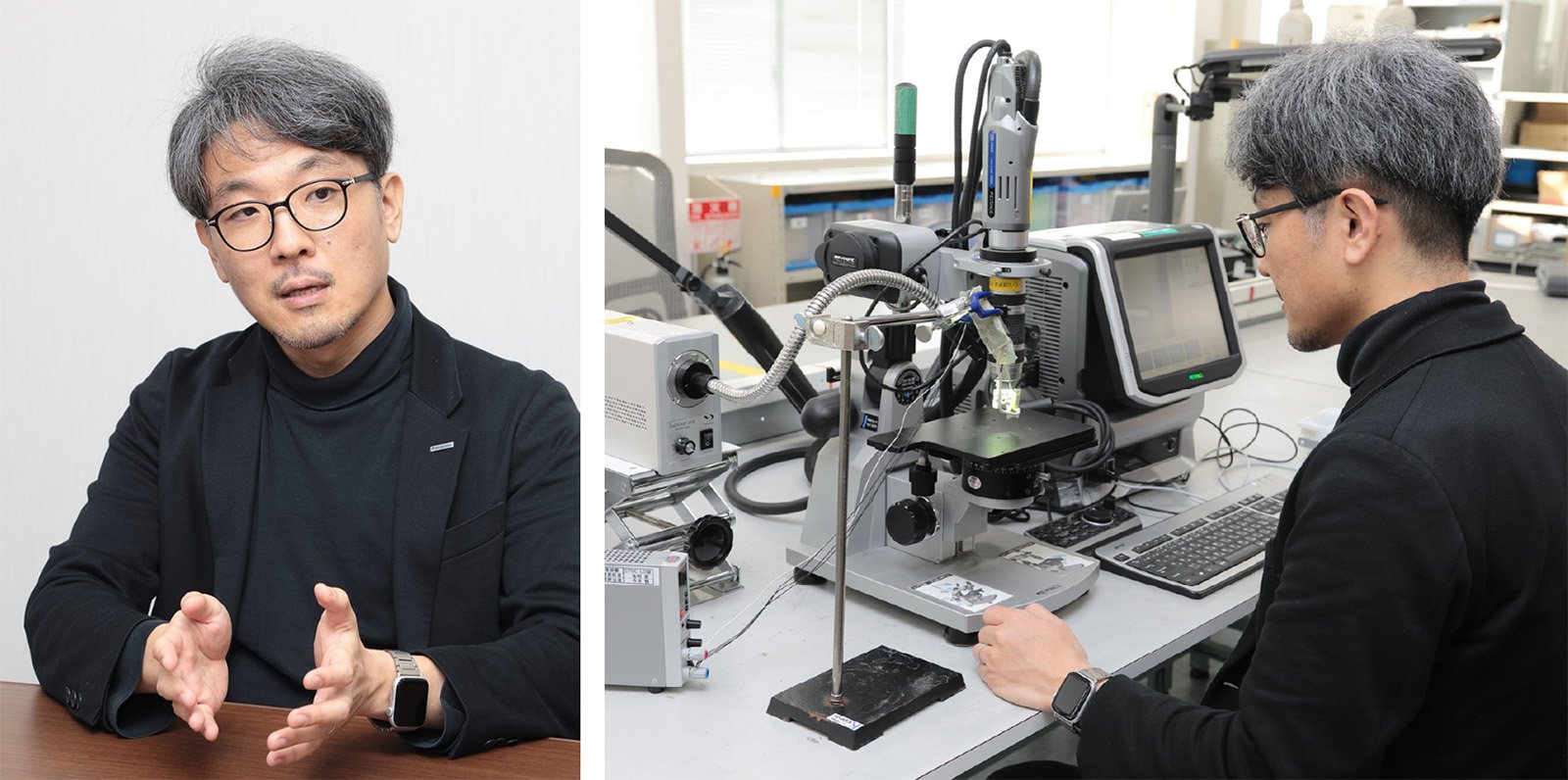
Panasonic said it plans further research in Japan, including work on the underlying mechanisms. Toshihiro Okada, Panasonic Corporation, Leading Device Development Department, Core Technology Development Center, said: “The fact that our collaboration with IITB professors found some indication that it improves concentration was a significant achievement.”
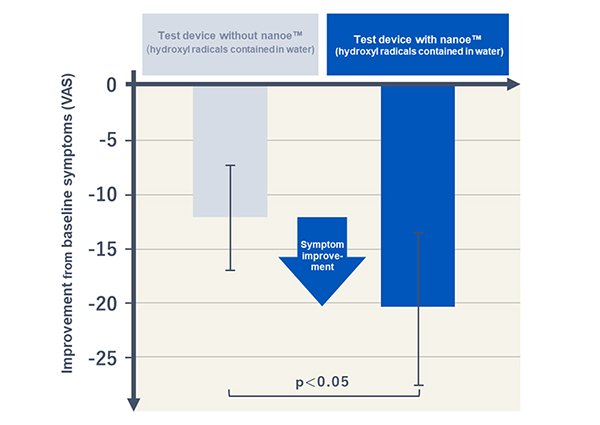
The second study was conducted jointly with Professor Shigeharu Fujieda of the Department of Otorhinolaryngology and Head & Neck Surgery at the University of Fukui School of Medical Sciences in Japan. Panasonic said the trial involved 101 participants who self-reported nasal symptoms caused by Japanese cedar pollen. In a double-blind test, up to five participants at a time spent three hours in a room of about 75 m3 containing naturally dispersed outdoor pollen, and symptoms were assessed hourly by questionnaire.
According to Panasonic, symptom suppression in the nanoe group was significant after three hours, and participants also reported improvement in overall pollen-related symptoms. Professor Fujieda said: “The study was also designed to eliminate participant expectations and evaluator bias, thereby increasing the reliability of the results. nanoe technology shows promise as a new option for pollen-allergy countermeasures.”
Panasonic said the results were obtained under specific test conditions and do not guarantee effectiveness during actual use. The company added that it will continue research with academic institutions to examine broader applications of nanoe.