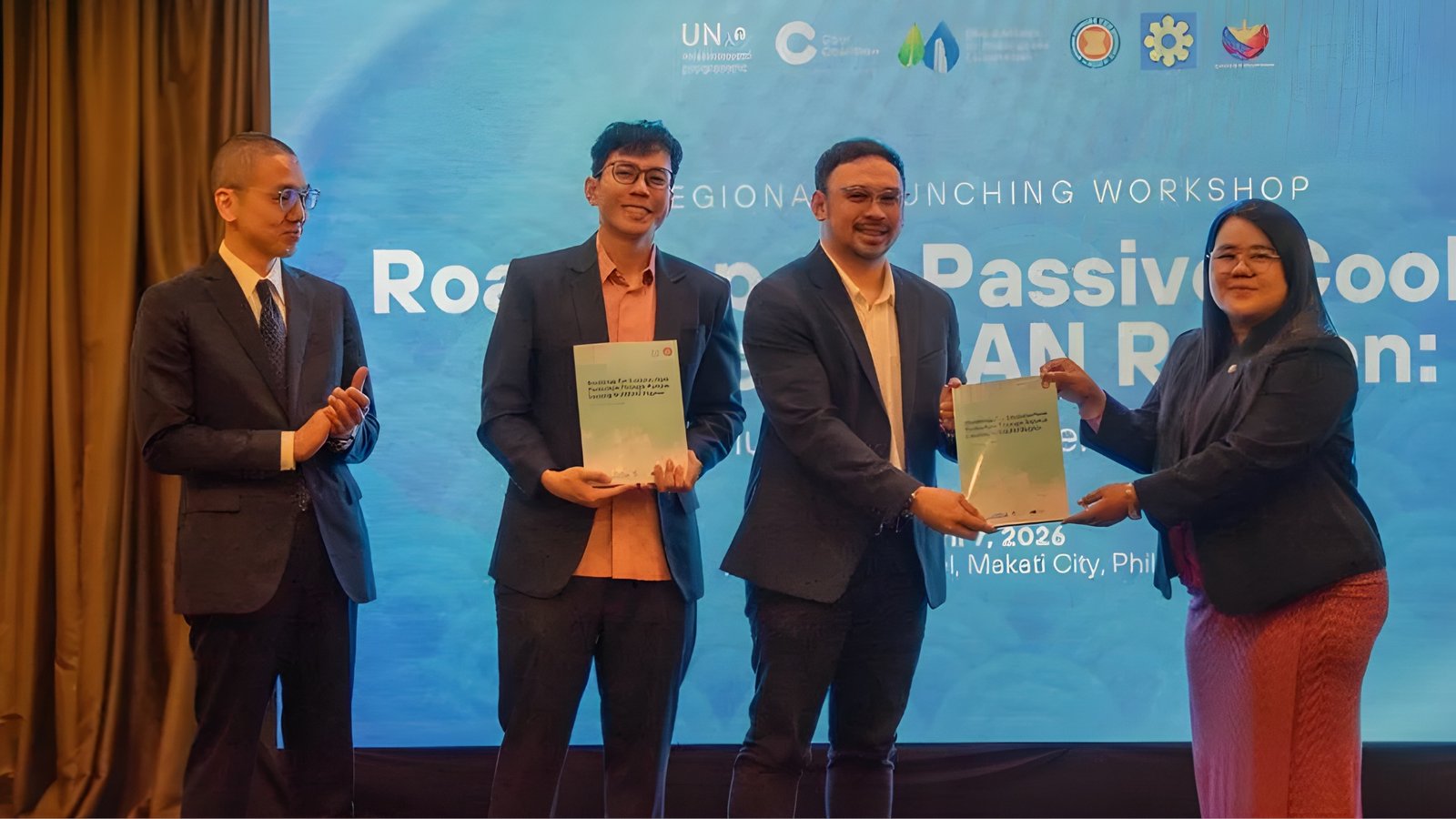
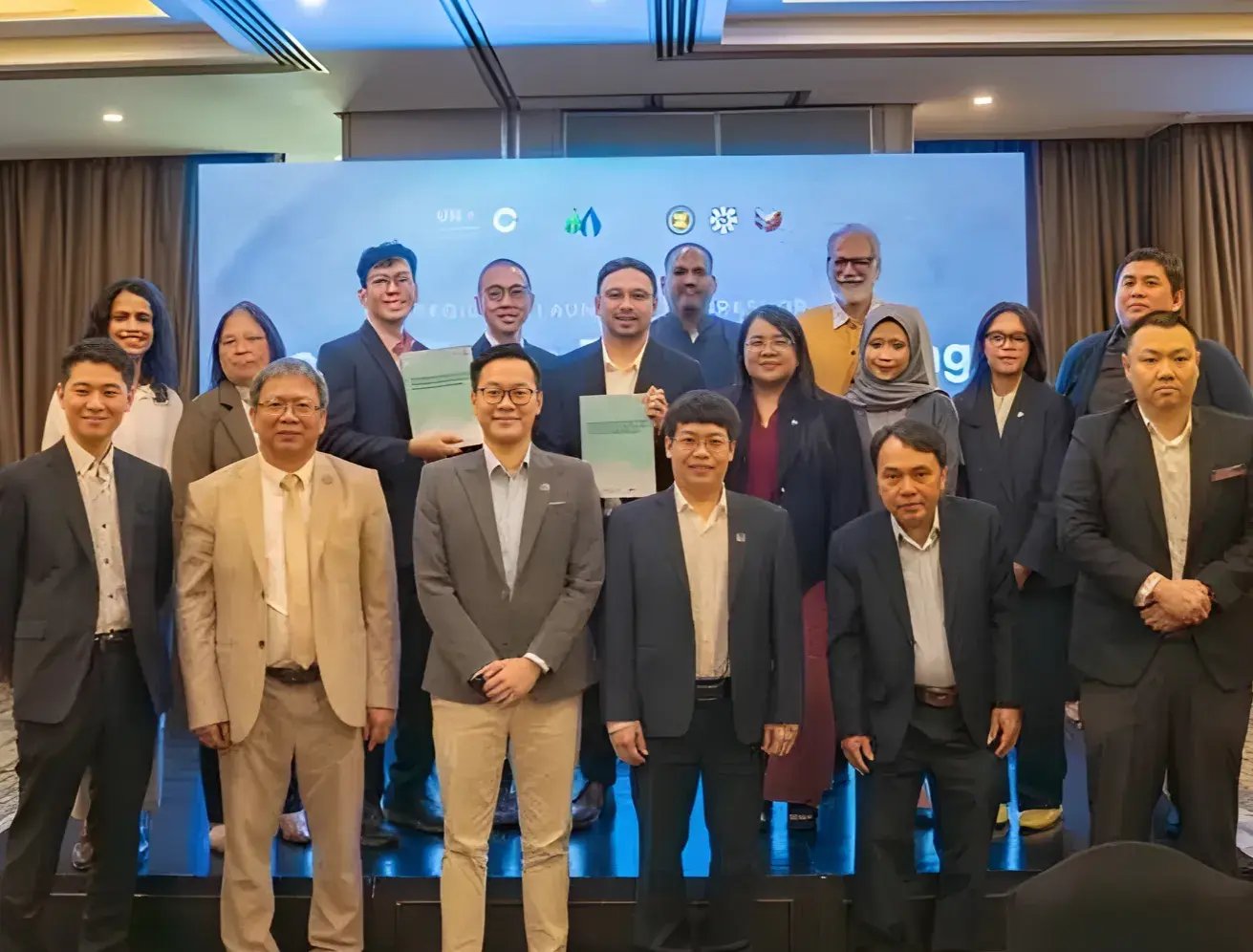
The ASEAN Centre for Energy (ACE) and the United Nations Environment Programme (UNEP), through the Cool Coalition and EmPower, have launched the Roadmap for Extreme Heat Protection through Passive Cooling in ASEAN Region. The publication was released at an event held with the Department of Energy of the Philippines on 7 April 2026. The roadmap addresses rising heat risks in Southeast Asia, where ASEAN could face up to 120 days per year with temperatures above 35°C (95°F) by 2050, according to the publication.
The roadmap promotes passive cooling strategies including natural ventilation, reflective roofs and high-performance building envelopes. It is based on a “Passive First” design approach that prioritises reducing cooling demand before applying active cooling solutions. According to the roadmap, this approach can deliver cooling energy savings of 20 to 50%.
ACE and UNEP said the roadmap was developed through desk research, surveys, stakeholder mapping and regional consultation workshops. Survey findings showed a gap between interest in passive cooling and implementation among ASEAN Member States, with barriers including high up-front costs, limited technical capacity, insufficient awareness of funding and incentive mechanisms, and perceived low returns on investment. The recommendations include aligning passive cooling with the ASEAN Plan of Action for Energy Cooperation (APAEC) 2026-2030 and Nationally Determined Contributions, and incorporating mandatory passive cooling requirements into national building codes.
“By promoting a passive-first approach, ASEAN can reduce cooling demand while enhancing efficiency, affordability, and resilience. Ultimately, this strategy also supports APAEC’s goal of a 40% reduction in energy intensity. This roadmap reflects the region’s collective commitment to advancing more sustainable, climate-responsive passive cooling solutions for ASEAN's future energy landscape,” said Naing Naing Linn, Head of the Energy Efficiency & Conservation (EE&C) Department at ACE.
ACE and UNEP said they will continue coordinating with ASEAN Member States to support dissemination and implementation of the roadmap, scale passive cooling solutions, strengthen knowledge exchange and support integration of these strategies into national and regional policies.
Source