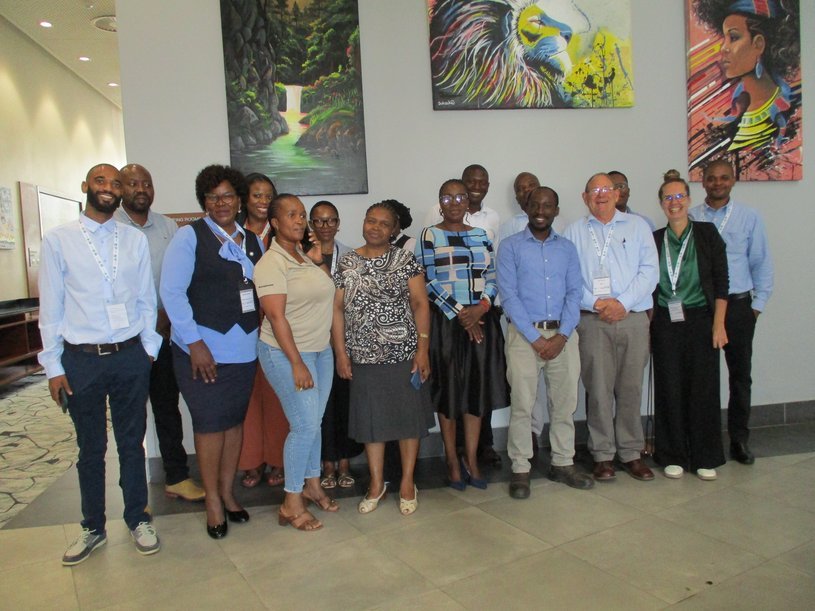
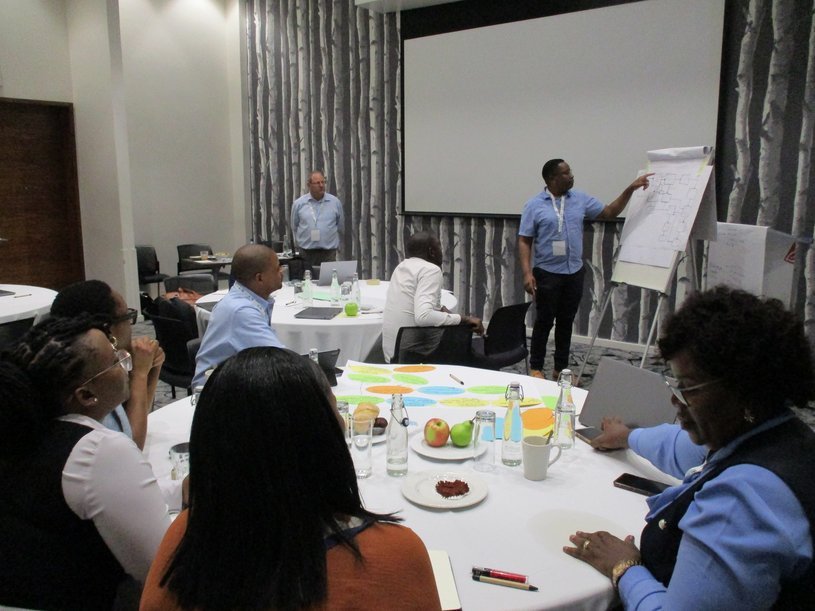
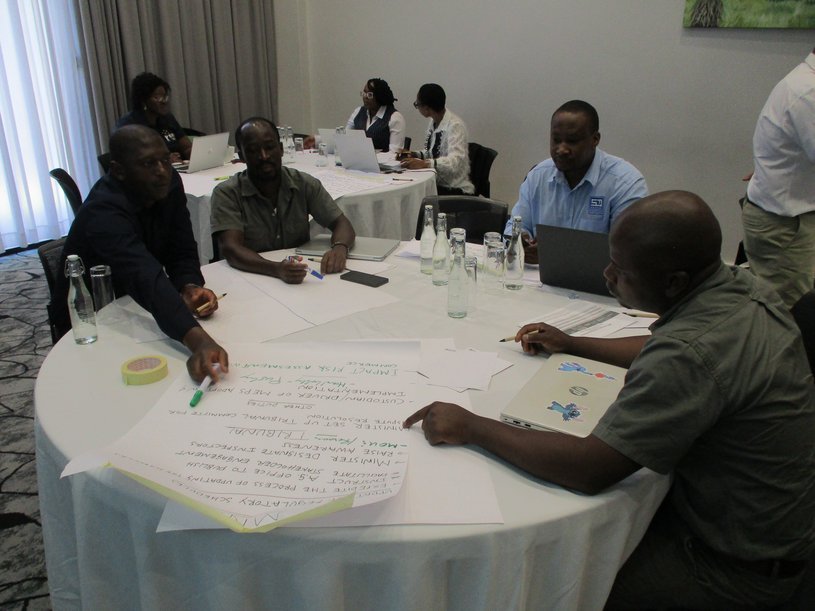
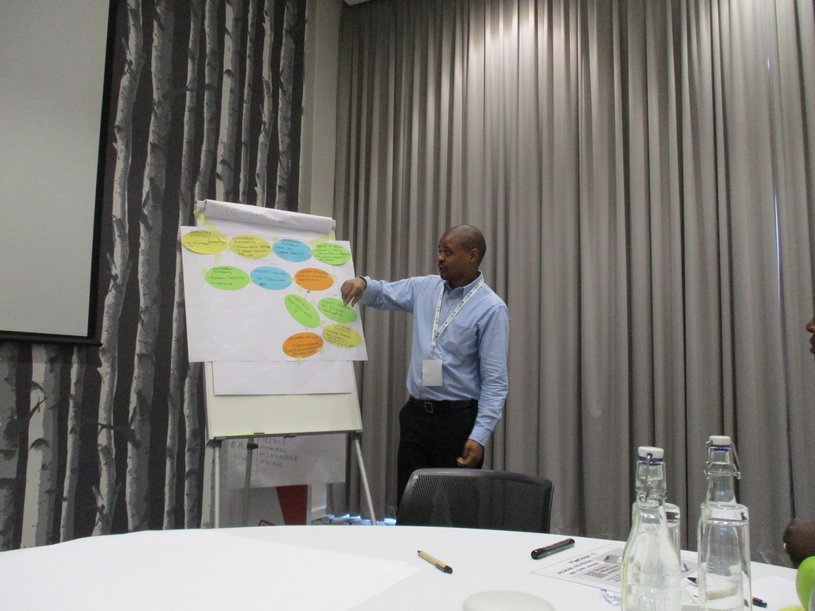
A three-day workshop in Eswatini has mapped the full implementation chain for minimum energy performance standards (MEPS) for air conditioners, covering product registration, data systems, border checks, inspections, and penalties. The sessions focused on the country’s national context and institutional set-up, with the stated aim of building clear roles, indicative timelines, and readiness for enforcement.
On day one, participants worked on a shared understanding of what enforceable MEPS require at institutional and procedural level, examining how regulations, technical standards, registration systems, and enforcement mandates must interact. A central session reviewed the draft MEPS regulation so institutions could raise implementation questions, clarify responsibilities, resolve outstanding issues, and align on next steps, identifying edits and changes to the regulations.
Technical discussions also addressed Eswatini’s air conditioner standard, SZNS SADCSTAN HT 110:2023, including refrigeration cycles, how efficiencies are being improved, implications for compliance, and how future updates could align with regional SADC standardisation processes.
Day two focused on operational design, walking through product registration and authorisation steps such as application requirements, verification of laboratory test reports, decision points, and issuing letters of approval. Participants also discussed a product database (including core data fields, access rights, and phased options) and border enforcement with Eswatini Revenue Services, looking at how energy labelling and MEPS compliance could be verified at import.
Day three covered post-market surveillance and legal enforcement, with working sessions involving the energy regulator and the Office of the Director of Public Prosecutions on inspection arrangements, inspector placement and training, and handling non-compliance cases, including penalties. Institutions then consolidated their roles, identified remaining gaps, and presented implementation plans outlining responsibilities and next steps toward MEPS enactment and enforcement.
The workshop took place from 3 to 5 February 2026 and was hosted by the Ministry of Energy of Eswatini with support from the Cooling Programme for Southern Africa (CooPSA), a project funded by the International Climate Initiative and implemented by GIZ Proklima. “GIZ on behalf of the CooPSA project is honoured to collaborate with the Ministry and relevant partners on the drafting of regulations. Although the workshop ends, the real work begins here onwards,” said Lydia Ondraczek of the Deutsche Gesellschaft für Internationale Zusammenarbeit (GIZ) GmbH.
Source