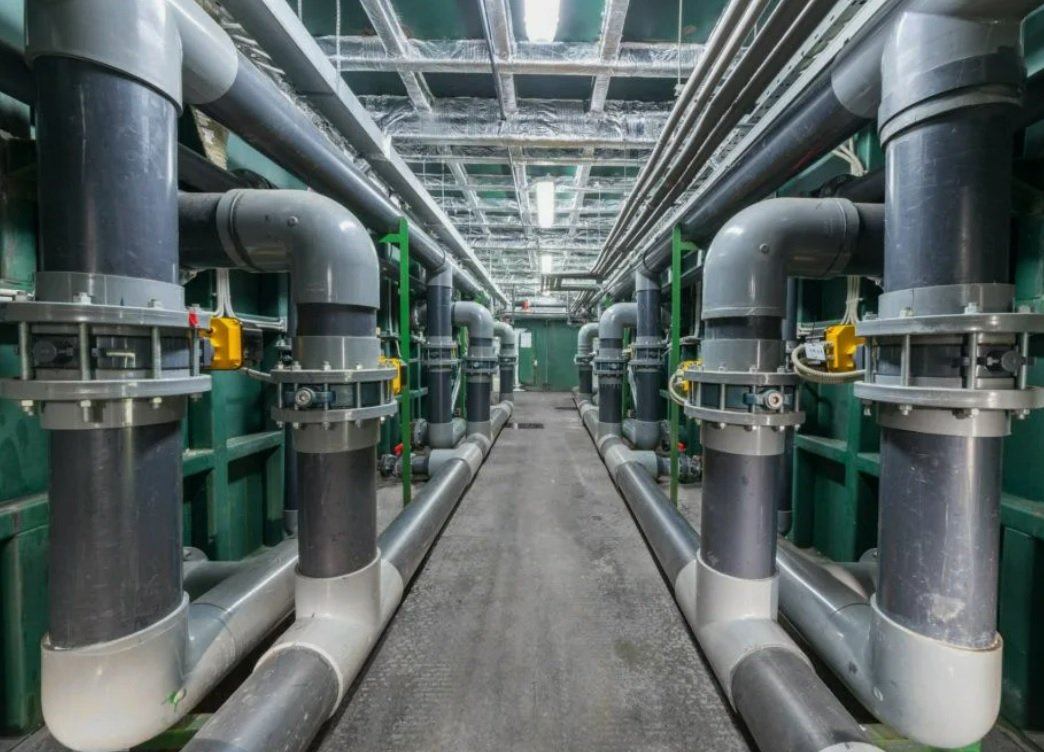
On December 12, 2024, Euroheat & Power, Empower, and the UNEP Cool Coalition hosted a webinar titled “The Cool Future: Exploring Sustainable District Cooling Solutions from the MENA Region to Europe.” The event addressed the pressing global need for energy-efficient cooling systems amidst rising temperatures and urbanization. Experts shared insights on how district cooling can enhance energy efficiency, reduce emissions, and support climate-resilient urban development.
District Cooling: A Centralized and Energy-Efficient Solution
Victoria Liénard, Policy Advisor at Euroheat & Power, moderated the discussion, highlighting the efficiency of district cooling. This centralized system distributes cooling through an integrated network, optimizing energy use and achieving significant environmental benefits. Liénard noted that district cooling can cut energy consumption by up to 50% compared to conventional air conditioning systems, easing grid demand and enhancing electricity system stability.
UNEP’s Role in Driving Global Adoption
Luis Munuera, Senior Advisor on Urban Energy at UNEP, detailed efforts to integrate district cooling into energy transition plans in countries like India, Egypt, and Vietnam. “International collaboration works best when you face a global problem with local implementation,” said Munuera, pointing to initiatives like the UNEP Cool Coalition’s District Cooling Hub in India. He also discussed UNEP's advocacy at major events such as COP29, which emphasized the integration of sustainable cooling into national climate strategies.
Focus on the MENA Region: A Vital Need
Samer Khoudeir, Chief Sales & Marketing Officer at Empower, stressed the critical role of district cooling in the Middle East and North Africa (MENA) region, where air conditioning accounts for around 70% of building energy consumption. Empower, the world’s largest provider of district cooling services, supplies cooling to over 140,000 customers in Dubai. Khoudeir highlighted Dubai's ambitious goal of achieving 40% district cooling penetration by 2030, underpinned by strategies like the Dubai Clean Energy Strategy.
“District cooling in the MENA region isn’t just an environmental solution; it’s an economic necessity,” Khoudeir said, emphasizing its potential to reduce electricity consumption by up to 50% in a region facing extreme heat and limited passive cooling options.
Europe’s Growing District Cooling Networks
In Europe, traditionally less exposed to extreme heat, the adoption of district cooling is accelerating due to climate change. The region has over 200 networks spanning 1,375 kilometers, with sales growing by 8% in 2022. Diana Adam of BEW Berlin highlighted the innovative use of waste heat in Germany’s district cooling systems, exemplified by projects like Potsdamer Platz, which repurposes waste heat and renewable electricity for cooling and heating thousands of households.
Andrea Voight of Danfoss shared Copenhagen’s model, which utilizes seawater-powered district cooling for urban and industrial purposes. “By coupling district heating and cooling with sources like wastewater and renewable energy, Copenhagen maximizes efficiency and minimizes waste,” Voight noted.
Pathway to Greener Cities
The webinar concluded with a consensus on district cooling's transformative potential for urban sustainability. Moderator Victoria Liénard emphasized its importance in addressing rising cooling demands while reducing environmental impact. With scalable, region-specific solutions, district cooling offers a path toward climate-resilient, energy-efficient cities worldwide.
Source