IIR participates in Italy’s MCE 2026 conferences on HVAC decarbonisation

Scientific patronage and a cold-chain report presentation advanced dialogue on smarter buildings, refrigerant transitions and sustainable cooling.

IIR participates in Italy’s MCE 2026 conferences on HVAC decarbonisation

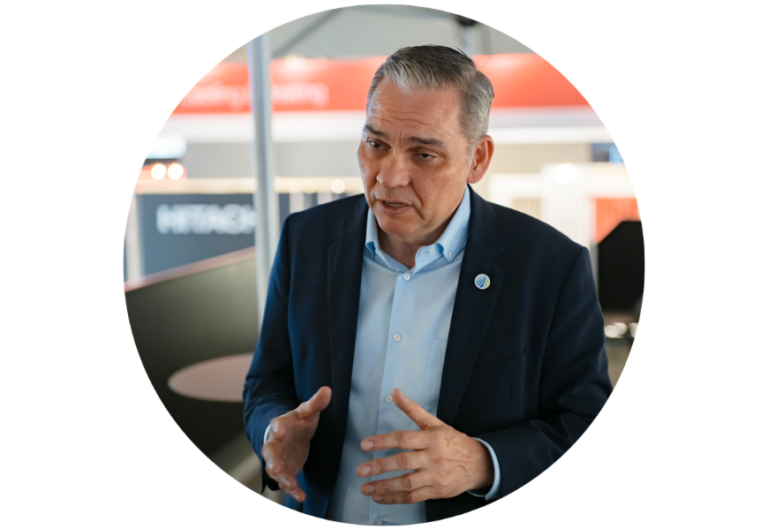
The International Institute of Refrigeration (IIR) participated in the MCE Mostra Convegno Expocomfort trade fair and associated conferences held from March 24 to 27, 2026, in Italy. Represented by Dr. Francesco Fabris, Scientific Coordinator, the IIR contributed to discussions on decarbonisation, refrigerants, and sustainable HVAC developments during key events on March 25 and 26.

MCE 2026 brought together over 1,600 exhibitors from the civil and industrial plant engineering, air conditioning, renewable energy, and water sectors. The event attracted more than 120,000 visitors and hosted multiple congresses focused on technological advancements and policy developments in sustainability.

On March 25 and 26, the IIR provided scientific patronage to the 54th AiCARR International Congress titled “Decarbonising our future: energy, economic and social aspects of smarter and digitalized buildings and cities.” The congress featured more than 50 presentations from industry, universities, and research centres, with over 130 participants discussing current and future HVAC sector developments related to efficiency and sustainability.

On March 26, Dr. Fabris also represented the IIR at the Centro Studi Galileo conference “From the F-Gas Regulation to alternative refrigerants: impact on new and existing systems.” The event included sessions on regulatory frameworks, market transition, and technologies for low-GWP and natural refrigerants. During the technology session, Dr. Fabris presented the 2025 IIR and UNEP report “Cold Chain Technology Brief: Road Refrigerated Transport in Hot Climates.”

AiCARR and Centro Studi Galileo, both organisers of the conferences, are Corporate Members of the IIR. The events provided a platform for knowledge exchange among researchers, industry representatives, and institutions, and supported collaboration on sustainable cooling, refrigeration, and heat pump technologies.

Get the daily refrigeration briefing

One email a day. Trusted by 3,000+ RACHP professionals.

Related news

Commercial Refrigeration

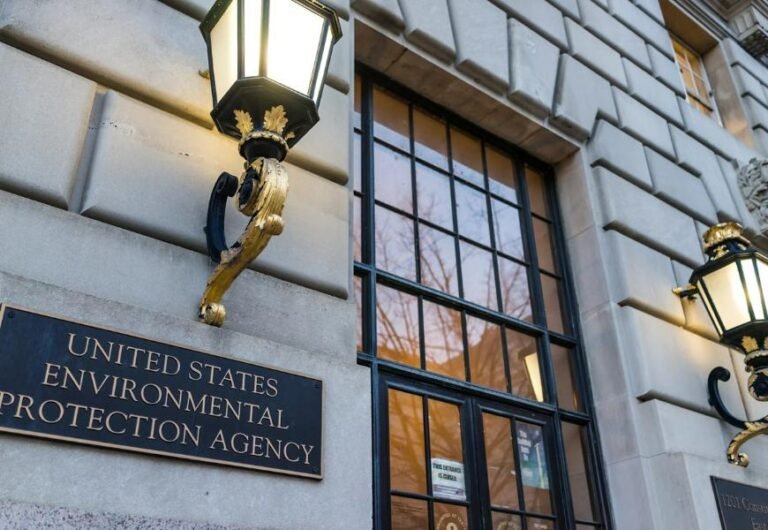
US States and New York City Sue EPA Over Delayed HFC Phaseout

The challenged rule extends compliance deadlines by up to six years, while EPA says the changes will curb costs for food and semiconductors.

24 Jul 2026
Refrigerants

UNEP and AREA highlight RAC technician training in Thailand

UNEP OzonAction and AREA jointly organized a side event during OEWG-48 in Thailand to examine the role of the refrigeration and air-conditioning servicing sector in supporting the Montreal Protocol and Kigali Amendment. Around 90 participants, 45% of them women, represented governments, industry associations, training institutions and international organizations. The event focused on technician skills needed

21 Jul 2026
Air Conditioning

SDRS and TRUSCO develop Dohiemon Box for full-body cooling

The enclosure uses R1234yf and a 400 W inverter compressor, with listed energy use of 0.51 kWh at 35°C ambient.

21 Jul 2026
Commercial Refrigeration

MarketsandMarkets forecasts refrigeration coolers market at $6.85 billion

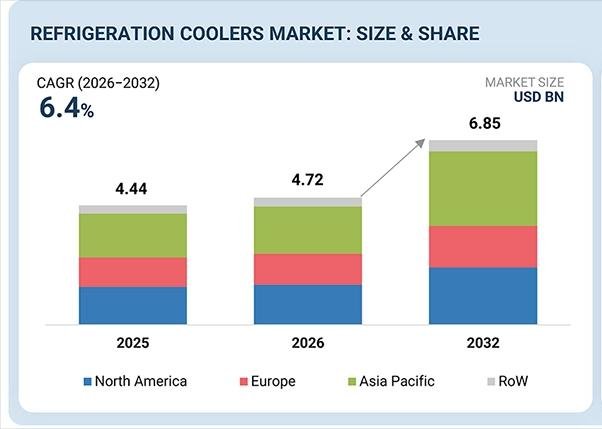
The global refrigeration coolers market is projected to grow from USD 4.72 billion in 2026 to USD 6.85 billion by 2032, according to MarketsandMarkets. The research firm forecasts a compound annual growth rate of 6.4% during the period. Market growth is linked to investment in energy-efficient refrigeration infrastructure across retail, food and beverage processing, logistics

21 Jul 2026
Refrigerants

UNEP and Syria strengthen coordination on Montreal Protocol implementation

Stakeholders prioritized stronger ozone governance, updated RAC standards and expanded technician training across Syria.

20 Jul 2026
Refrigerants

UNEP releases guide for national refrigerant lifecycle plans

The roadmap covers policy, infrastructure, financing and monitoring, with lifecycle measures projected to avert up to 67 Gt CO2e by 2100.

20 Jul 2026

Related insights