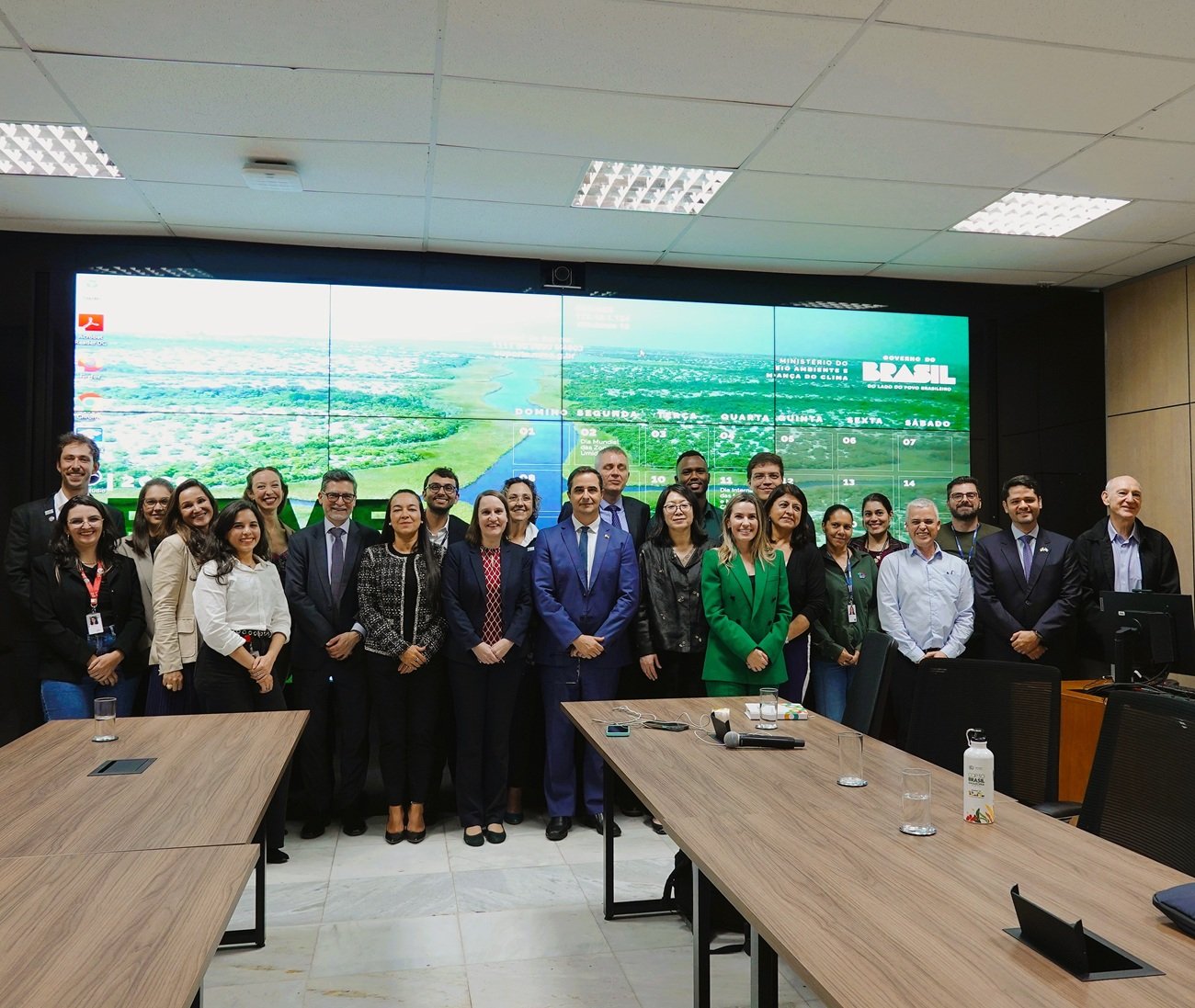
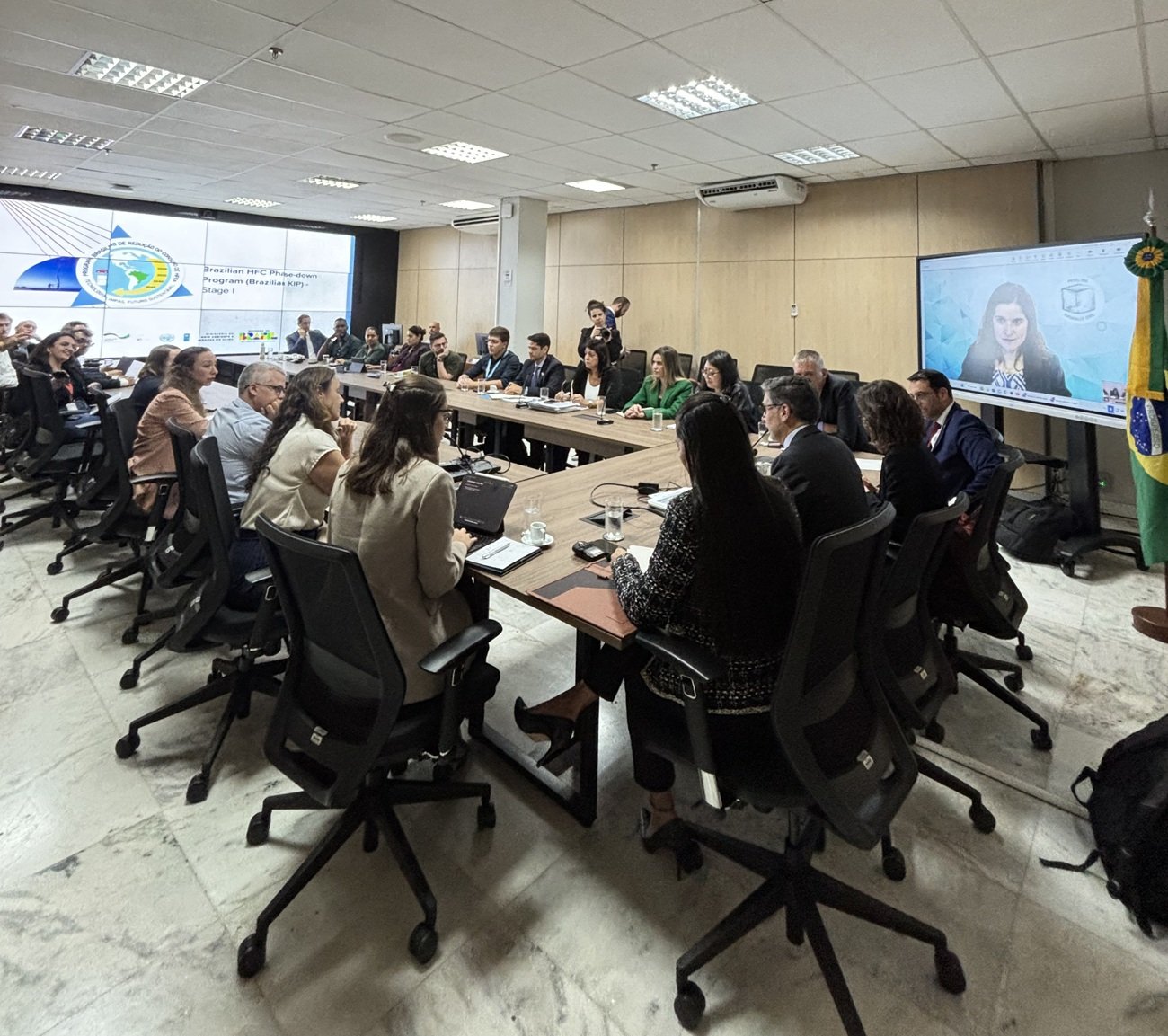
A strategic mission from the Secretariat of the Multilateral Fund for the Implementation of the Montreal Protocol began on February 23, 2026, in Brazil, with meetings in Brasília. The visit was led by Alejandro Ramiréz, senior programme officer, and focused on strengthening actions under the Kigali Amendment, with particular attention to Brazil’s Program for Reducing HFC Consumption (Programa HFCs).
According to the source, the technical and institutional mission ran through February 26 and included international specialists and representatives from Brazil’s Ministry of the Environment and Climate Change (MMA), GIZ, UNIDO and UNDP, which was described as the lead agency.
The agenda started in Brasília with an opening session at the MMA that focused on national project implementation and the overall outlook for the HFC program. In Curitiba on February 24, the delegation carried out technical visits to Gelopar, Conela and Eletrofrio, with a focus on commercial and/or industrial refrigeration and energy efficiency, and also visited the Escola Técnica Profissional (ETP) to review its natural refrigerants laboratory and the future Pilot Scheme for Qualification, Certification and Registration of Air-Conditioning Technicians (QCR).
In São Paulo on February 25–26, the program included refrigerant regeneration activities with a visit to CRA Ecosuporte, and technical training sessions at SENAI Automobilística and SENAI Refrigeração (Escola Oscar Rodrigues Alves), with training highlighting the safe use of flammable fluids.
The mission was set to conclude with meetings with industry associations ABRAVA, ABRAS and ELETROS in connection with next steps for the HFC project, which the source said would be submitted for approval to the Multilateral Fund in June 2026. The Multilateral Fund was described as a financial mechanism established to help developing countries meet ozone-layer protection targets and mitigate climate change, and the visit was presented as supporting current and future actions tied to lower-environmental-impact refrigerants across Brazil’s HVACR sector.