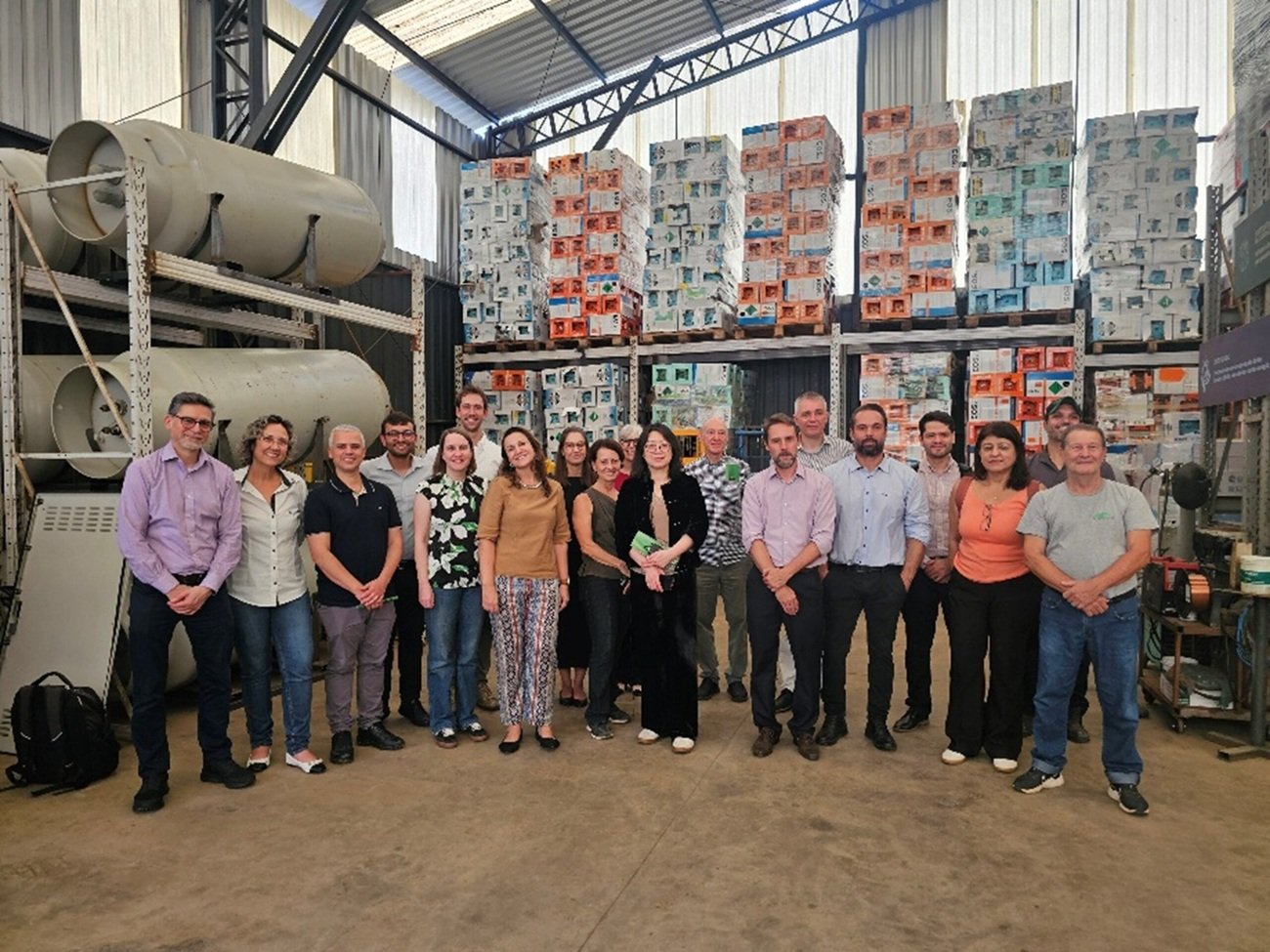
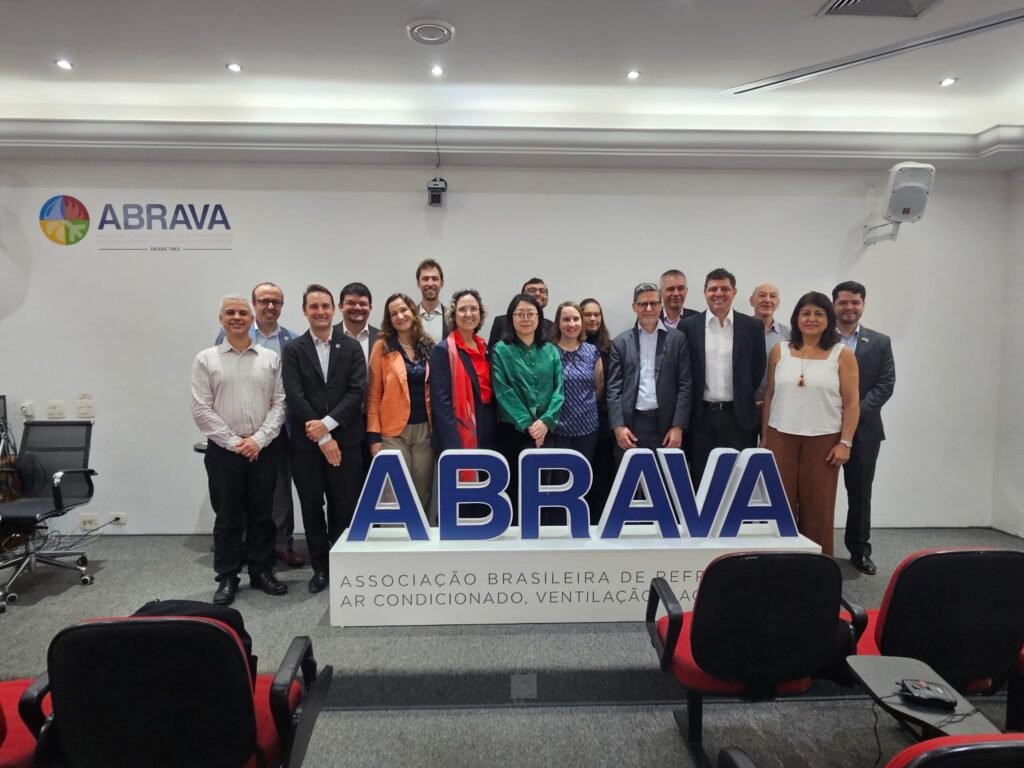
Brazil hosted, for the first time, an official technical mission from the Secretariat of the Multilateral Fund for the Implementation of the Montreal Protocol, marking a new stage in international cooperation on ozone protection and climate change mitigation. Alejandro Ramírez, Senior Programme Management Officer at the Secretariat, visited the country from February 23 to 26 to review progress in the refrigeration sector and Brazil’s implementation of the Kigali Amendment.
The mission was organized by the Brazilian government with support from implementing agencies UNDP, UNIDO and GIZ. According to Ramírez, the strategy developed by the country demonstrates that Brazil is moving “in the right direction” and plays an important role in implementing the Kigali Amendment.
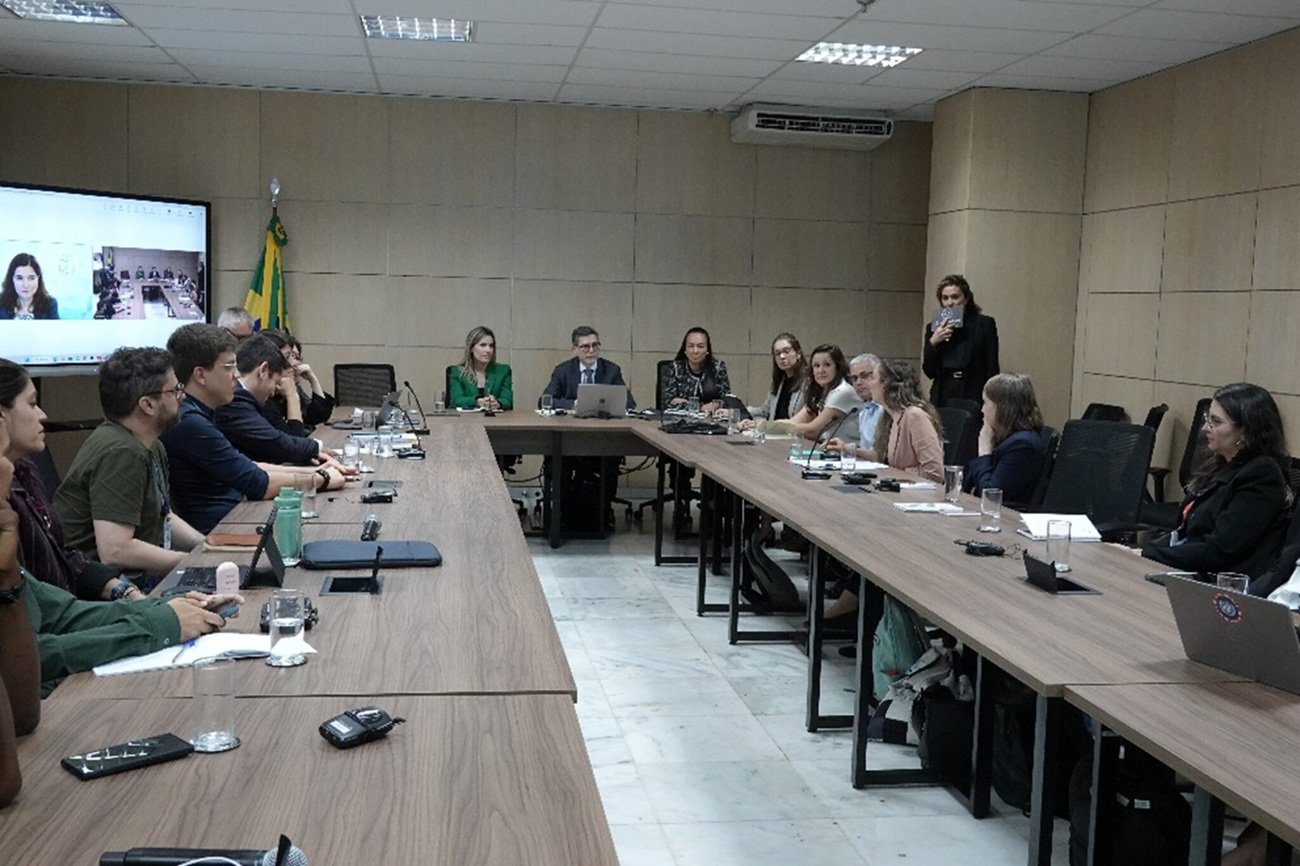
During the visit, the delegation met with representatives of the Ministry of the Environment and Climate Change (MMA) and reviewed activities under the Brazilian HCFC Phase-out Management Plan (PBH). Under projects implemented by GIZ Proklima, more than 18,000 refrigeration technicians have been trained so far, focusing on good refrigeration practices and the use of refrigerants with low global warming potential (GWP).
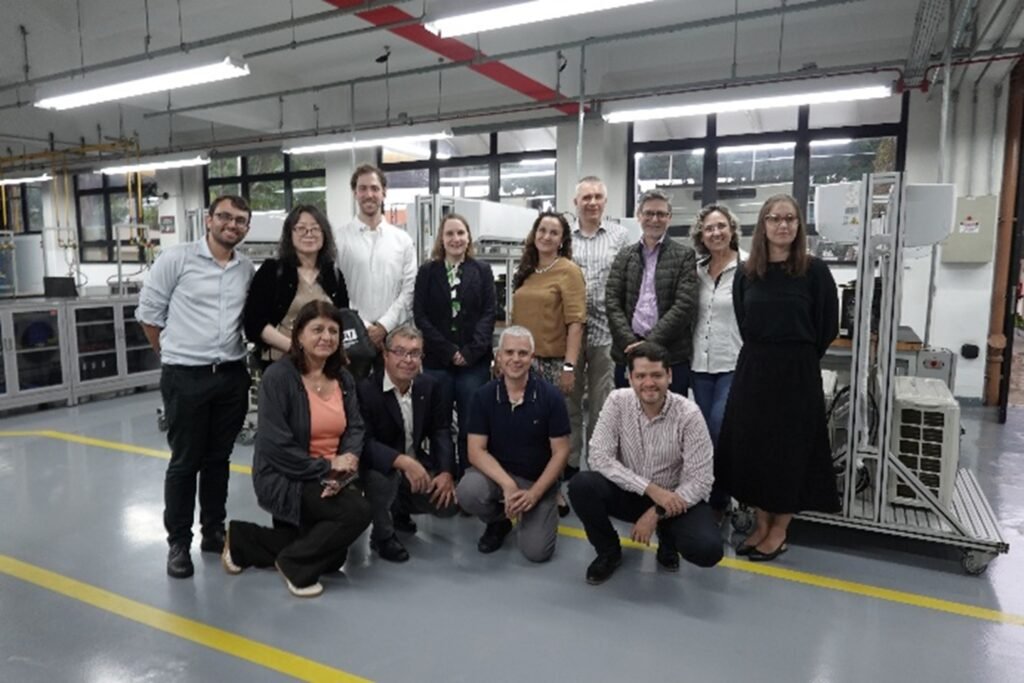
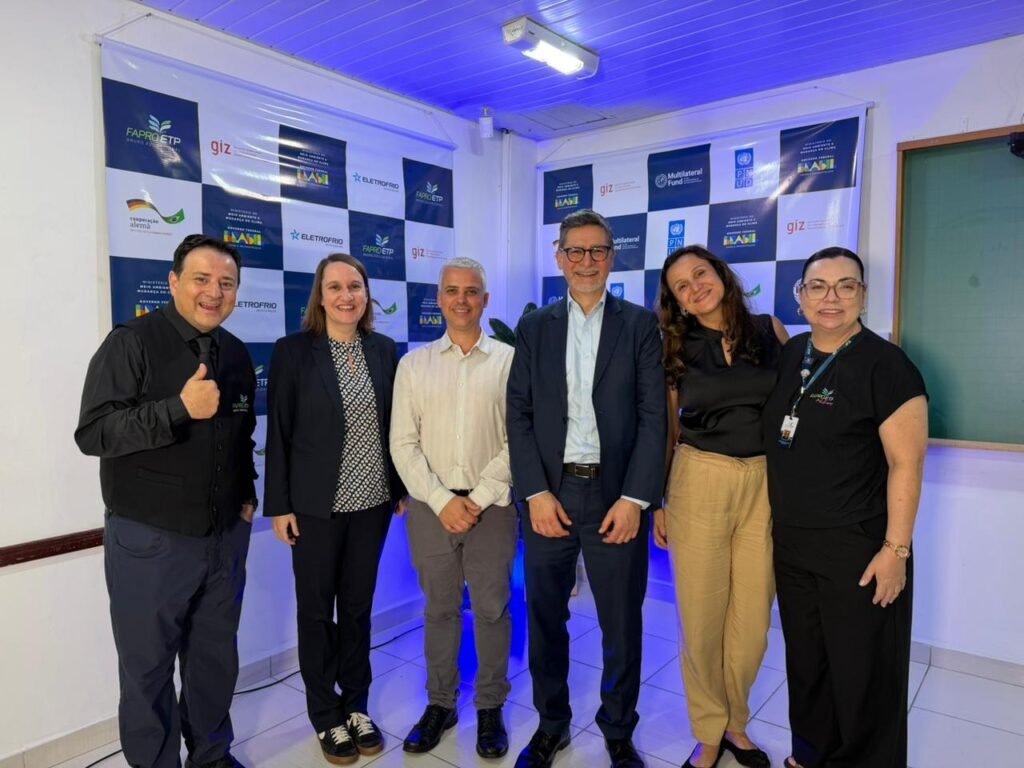
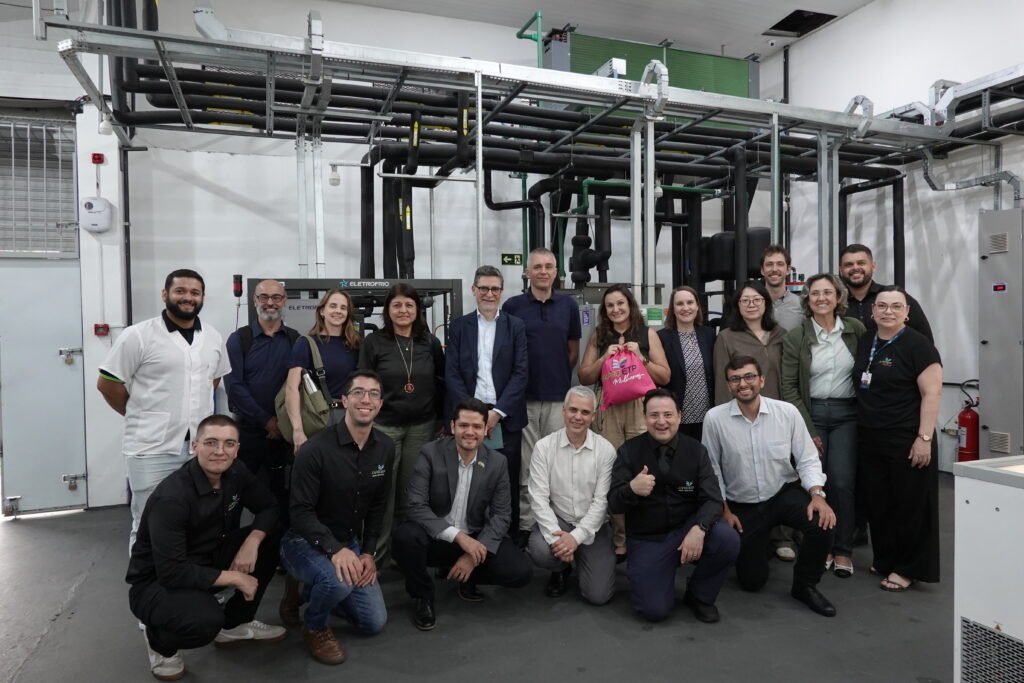
The mission also included visits to training centers involved in PBH projects. At the FAPRO-ETP school in Curitiba, Ramírez visited a laboratory designed as a “mini supermarket” using natural refrigerants CO2 and propane, describing the facility as “special” and an example to be followed internationally. At the SENAI Oscar Rodrigues Alves training center in São Paulo, the delegation reviewed a new air-conditioning laboratory using propane and emphasized the importance of training technicians to work safely with flammable refrigerants.
Brazil has approved about US$145 million in funding for projects related to controlled substances under the Montreal Protocol. According to Ramírez, the country’s progress over the past 15 years has been “incredible,” noting that the transition involves not only replacing gases but also broader technological and digital transformation in the refrigeration sector.
The mission also addressed the upcoming HFC implementation program under the Kigali Amendment (KIP), expected to be discussed during the 98th meeting of the Executive Committee in 2026. Ramírez said the next major challenge will be managing complex data and mixtures of HFCs but noted that existing partnerships with training centers and industry provide a strong foundation for the transition.