In mid-February 2026, UNEP’s Climate Change Division spent a week in Mumbai, Chennai and New Delhi to translate heat resilience and sustainable cooling from commitments into implementation as extreme heat intensifies across India and pressure mounts on cities, public health systems and electricity networks.
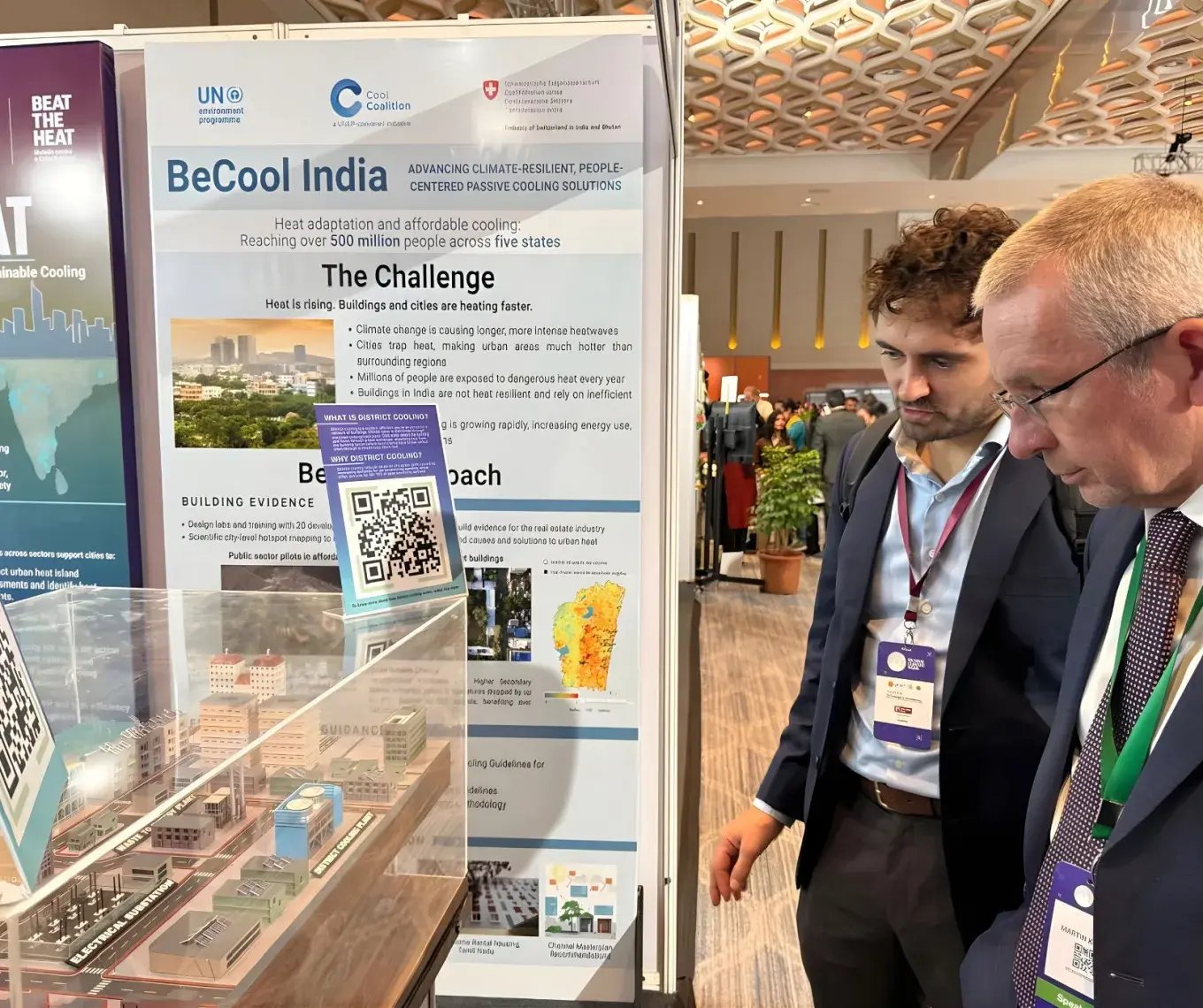
In Mumbai, UNEP and the Mumbai Metropolitan Region Development Authority signed a Memorandum of Cooperation on urban heat mitigation at Mumbai Climate Week 2026. Thirty municipal corporations across Maharashtra also joined Beat the Heat, a UNEP/COP30 national-to-local implementation drive supporting urban heat resilience through passive cooling and low-energy measures, adding to more than 220 cities engaged globally. Maharashtra launched BeCool Maharashtra under a UNEP and Swiss Agency for Development and Cooperation programme intended to move measures such as shading, ventilation, cool roofs and improved materials from pilots into procurement rules, building regulations and investment pipelines.
UNEP Climate Change Division Director Martin Stefan Krause met Jayashree Bhoj, Principal Secretary of Maharashtra’s Environment Department, and held a ministerial meeting with Environment Minister Pankaja Munde. Discussions focused on anchoring a Maharashtra State Cooling Action Plan within the state’s broader climate framework and Viksit Maharashtra 2047 roadmap, with the stated objective of aligning regulation, planning and financing so cooling solutions move into routine public investment.
In Chennai at the Tamil Nadu Climate Summit 4.0, Tamil Nadu presented results from passive cooling rollout, expanding interventions from 10 to 300 government schools in a single year and improving thermal comfort for about 150,000 students. Eleven cities have joined Beat the Heat, and the state has declared heat a state-specific disaster. UNEP also engaged with CREDAI, the apex body of private real estate developers in India, and conducted site visits at Lady Willingdon Higher Secondary School and the Thozhi Working Women’s Hostel to review passive cooling measures in public buildings and housing.
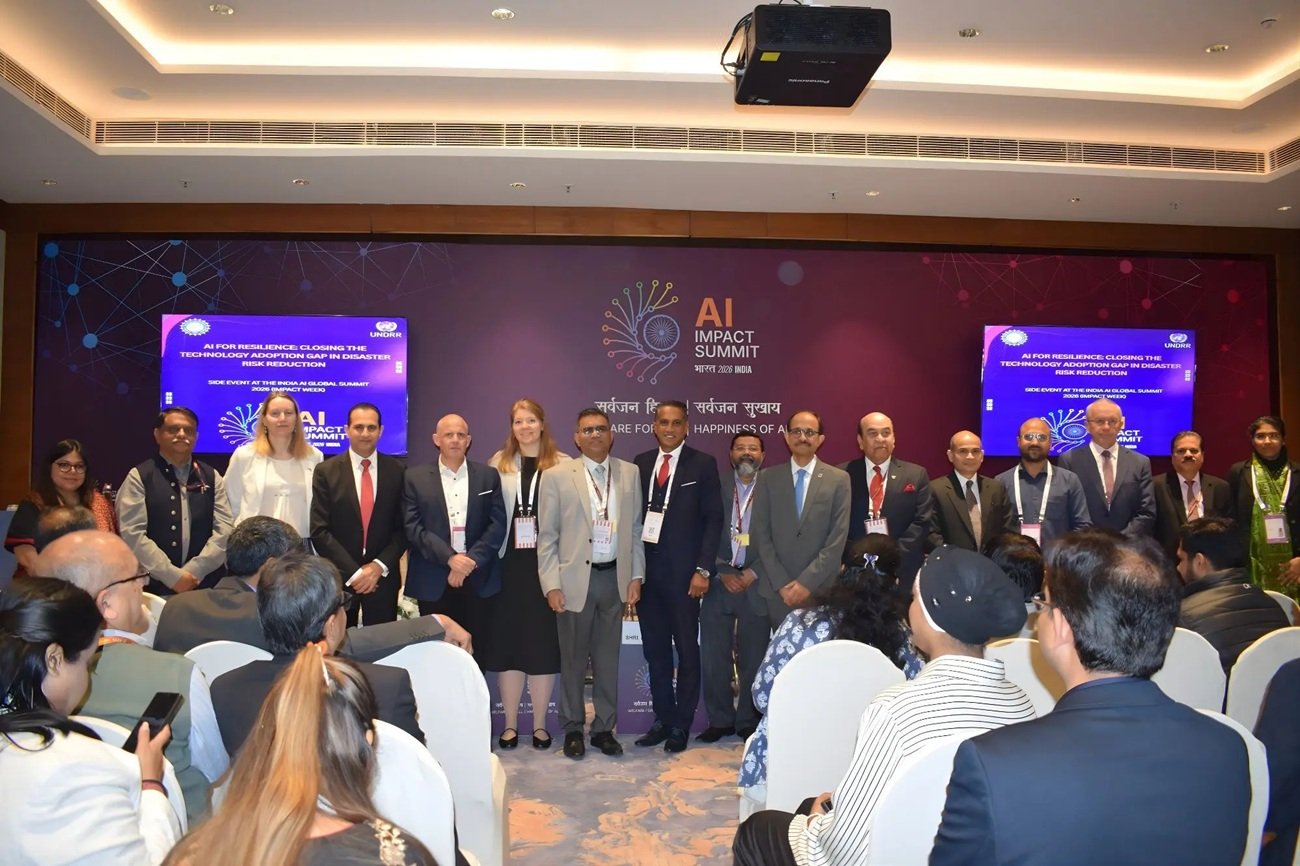
The mission concluded in New Delhi at the India AI Impact Summit 2026, where UNEP joined a high-level panel convened by the National Disaster Management Authority and the United Nations Office for Disaster Risk Reduction on disaster risk reduction technology adoption. UNEP offered to co-design AI pilots with NDMA and support sustainable financing through mechanisms such as the Global Environment Facility, alongside meetings with Manish Bharadwaj, Secretary of NDMA, and discussions with the Director General of the Bureau of Energy Efficiency, the Secretary of the Ministry of Housing and Urban Affairs, and an Additional Secretary at the Ministry of Environment, Forests and Climate Change.