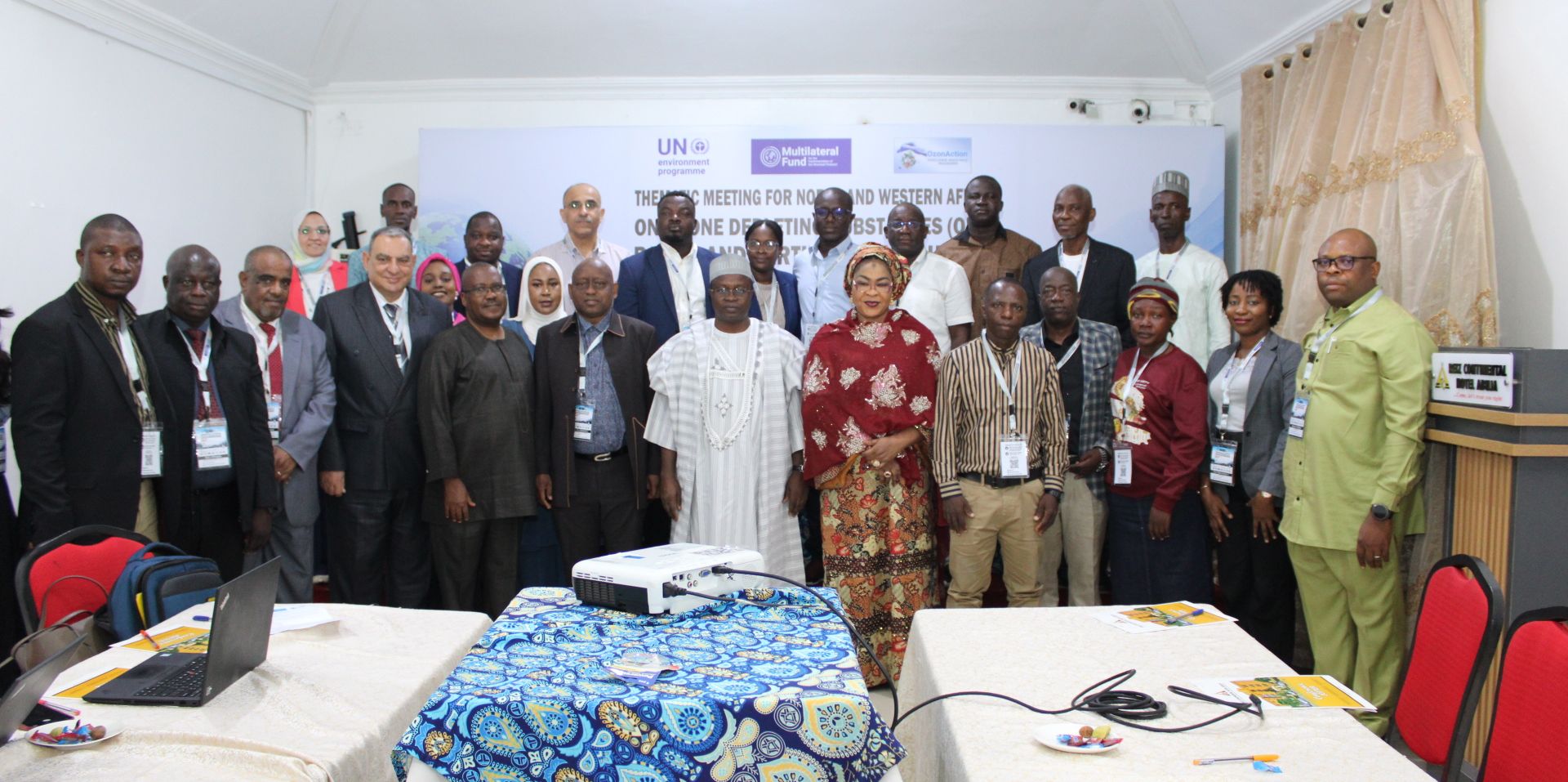
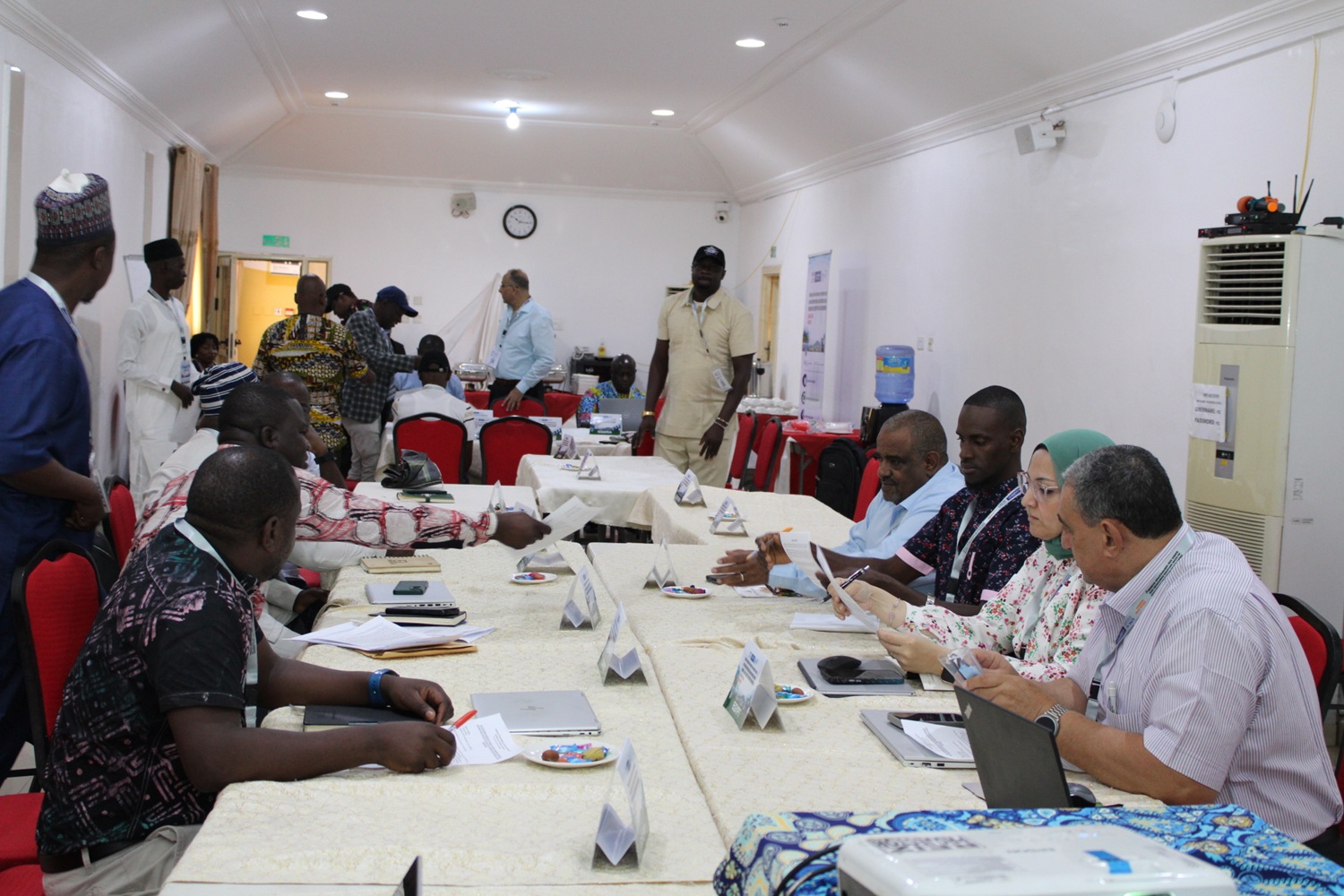
Representatives from seven African countries adopted action plans for managing ozone-depleting substance (ODS) and hydrofluorocarbon (HFC) banks and developing refrigeration and air-conditioning technician certification schemes. The UNEP OzonAction meeting, held in Nigeria from 10–12 June 2026, brought together approximately 30 participants from Egypt, Gambia, Ghana, Liberia, Nigeria, Sierra Leone and Sudan.
Discussions on refrigerant bank management covered potentially available banks, calculated using an assumed ten-year equipment lifespan, and effectively available banks, benchmarked at approximately 5% of the total bank for Article 5 countries under CCAC and UNEP guidelines. Malawi presented a completed national inventory covering approximately 3.3 million RAC units containing around 1,000 metric tons of refrigerant (about 1,102 US tons).
Nigeria reported an Ozone Village, 21 equipped recovery centres and the destruction of 1.62 metric tons of CFC-12 (about 1.79 US tons). Liberia’s final draft inventory is under internal review, while Sierra Leone has completed a first draft using a digitised questionnaire with GPS-linked location data. Ghana, Egypt and Gambia reported different stages of development, while Sudan has not started its project pending funding.
Certification discussions used Zimbabwe’s yellow, blue, green and gold tiered card model as a regional benchmark. Sierra Leone described an operational programme with an 80% practical assessment weighting, oral examinations in Creole, digital barcode identification and fee exemptions for female technicians. Egypt reported that two reclamation centres recovered 56 metric tons of R-22 (about 61.7 US tons) during their first year.
Nigeria, which has trained approximately 1,250 technicians nationwide, and Ghana, which has a legislated four-level framework and four centres of excellence, committed to launching or operationalising their schemes within one year. Participants also identified practical assessments, fee-based financing, electronics training, hydrocarbon leak detection and the active inclusion of female technicians as shared priorities.
The adopted recommendations call for countries to complete national ODS and HFC bank inventories by June 2027, accelerate certification schemes, strengthen cooperation with technical and vocational education institutions, pursue harmonised competency standards and advance a common ECOWAS RAC certification licence framework.