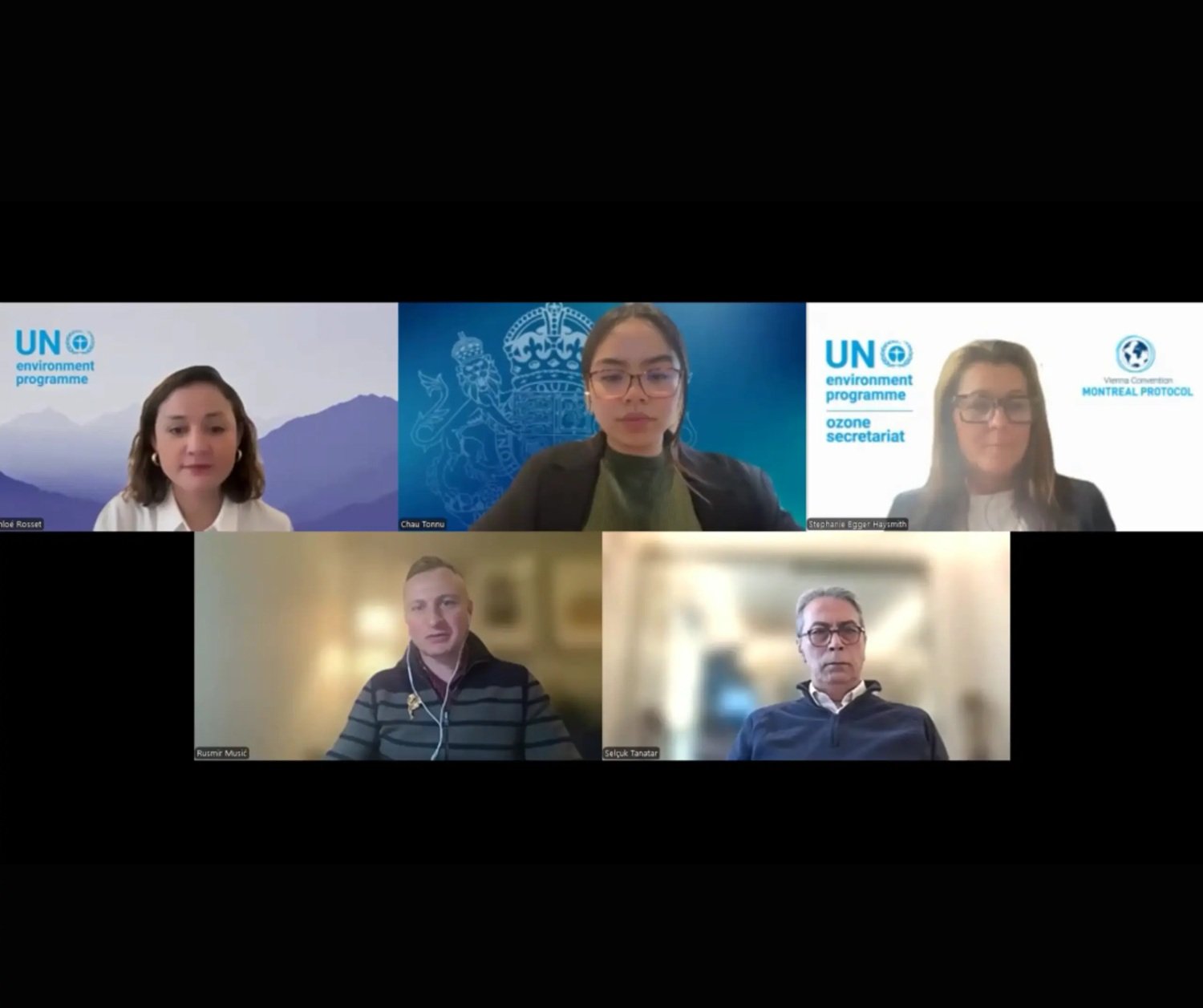
The UNEP Cool Coalition used its Cool Talks webinar on 22 January 2026 to examine how sustainable cooling solutions are moving from pilot projects toward larger-scale implementation. The session, titled Cooling Innovation: Results, Insights, and Next-Gen Enablers, brought together participants from international institutions, governments, and the private sector to discuss how innovation can help cut emissions, improve efficiency, and expand access across space cooling, cold chains, and industrial applications.
Opening the session, Chloé Rosset, Partnerships Engagement Lead at the UNEP Cool Coalition, presented the Enabling Pledge Implementation for Cooling (EPIC) Facility as a mechanism to help bridge innovation and delivery. According to the coalition, the facility addresses policy, financing, and capacity gaps through technical assistance and pilot projects aligned with Global Cooling Pledge commitments in buildings, cold chains, and urban systems.
A fireside chat focused on the TechEmerge Sustainable Cooling Innovation Programme, an International Finance Corporation initiative launched in 2019 with the UK government. Selçuk Tanatar, TechEmerge Global Lead at IFC, said the programme worked with more than 40 innovators and 51 corporate adopters and implemented around 100 pilot projects across sectors including hospitality, manufacturing, agriculture, and cold chains. He said the pilots showed efficiency gains starting at 10-15 per cent through improved system management and reaching 80-90 per cent when multiple technologies were combined, while around two-thirds of pilots reported energy savings between 15 and 100 per cent.
The webinar also highlighted the Online Policy Toolkit for Sustainable Cooling, developed by the UNEP Cool Coalition and the Ozone Secretariat of the Vienna Convention and Montreal Protocol. Stephanie Egger Haysmith, Communications and Information Officer at the Ozone Secretariat, said the platform supports implementation of the Kigali Amendment by mapping policy options including energy efficiency standards, building codes, refrigerant management, and passive cooling measures, supported by guidance, case studies, and regulatory tools.
Looking ahead, speakers pointed to stronger incubation support, blended finance, cooling-as-a-service models, passive cooling, and leapfrog technologies as factors needed to move innovation beyond demonstration projects. Rusmir Musić, Global Cooling Lead at IFC, said: “The TechEmerge database is now a public good, allowing innovators, adopters, and investors worldwide to access evidence, case studies, and solutions that can accelerate deployment.”
Source