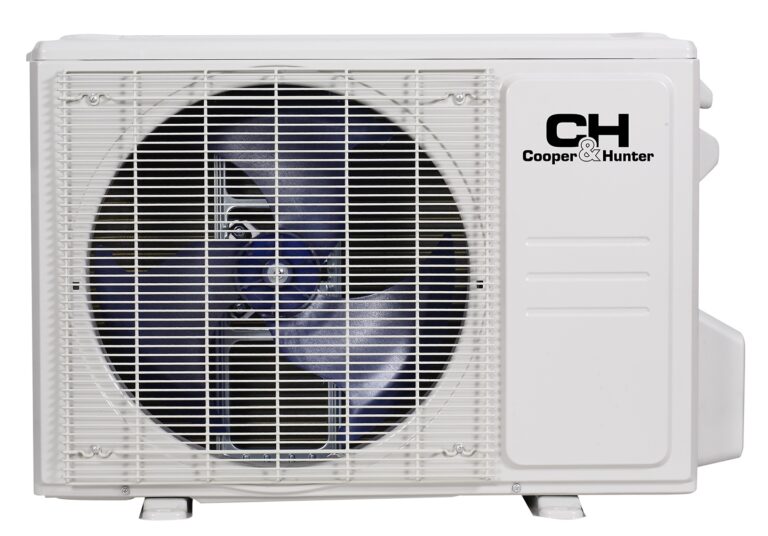
The Passivhaus Trust (PHT) and CIBSE are collaborating to develop technical guidance on active cooling in low-energy and Passivhaus buildings. The publication will help designers assess when active cooling is appropriate, minimise cooling demand, and select and operate energy-efficient systems as heatwaves become longer and more intense.
Passivhaus design prioritises passive measures such as solar shading, glazing control, management of internal heat gains and ventilation. While these strategies maintain comfortable indoor conditions in most UK situations, buildings with high internal gains or dense urban housing may also benefit from low-energy active cooling.
The guidance will address cooling demand assessment, system selection, modelling, design, controls, commissioning and retrofit applications. It will also examine the relationship between passive measures and active cooling, incorporating lessons from completed projects.
PHT is exploring improvements to the Passivhaus Planning Package (PHPP) to support the assessment of peak cooling loads alongside annual cooling demand. The new publication will complement an upcoming update to the Trust’s Dynamic Thermal Modelling guidance, developed with the UK Certifiers’ Circle, addressing evolving weather data and resilience to future climate conditions.
CIBSE is also developing future weather files and climate stress-testing methods to assess overheating risks and cooling requirements. Its sustainable cooling working group is preparing guidance covering domestic and non-domestic buildings.
A joint working group, including the International Passive House Institute, will oversee the publication. PHT and CIBSE are inviting case studies of low-energy projects incorporating active cooling to inform the guidance. Further details and opportunities to contribute will be announced as development progresses.