
EU Cyber Resilience Act Introduces Cybersecurity Rules for HVAC/R
Manufacturers face new reporting duties and must prepare connected HVAC/R portfolios for full compliance by 11 December 2027.

Austria Opens First DGNB Gold-Certified Frozen Storage Facility
The facility pairs more than 4,500 m² of space with a 1.2 MW solar array supplying about 75% of its electricity.

Cameroon Moves to Establish National Order for Refrigeration Professionals
The proposed body would mandate training, safety practices and regulatory oversight across the country’s ten regions.
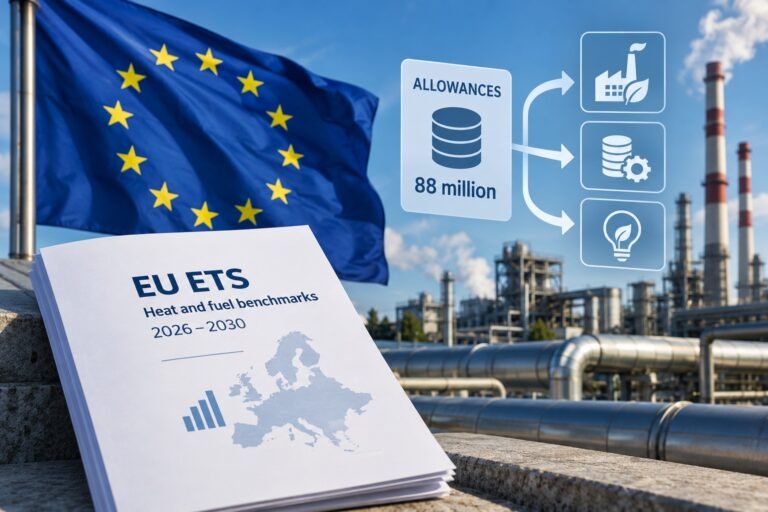
European Parliament Committee Proposes Changes to EU ETS Heat and Fuel Benchmarks
The plan would split redirected allowances among free allocation, modernisation and innovation, while adding sector-specific fuel benchmarks.
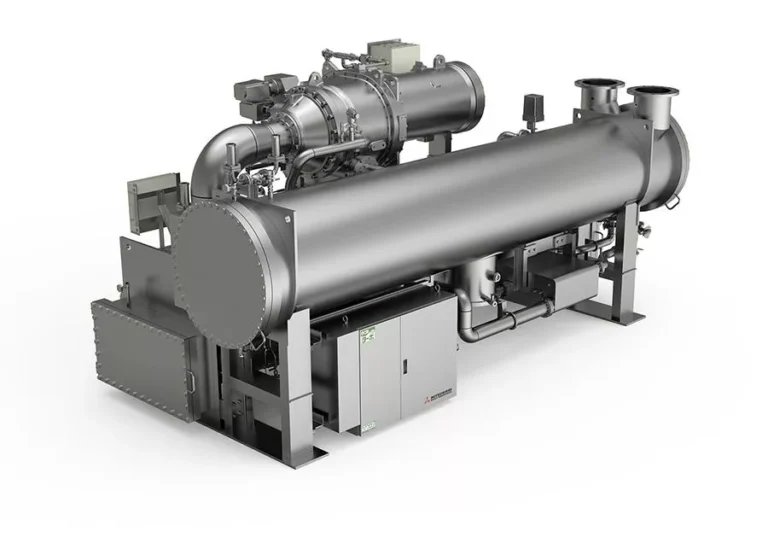
Mitsubishi Heavy Industries Certifies 10 MW Chiller for US Data Centers
The unit anchors MHI's modular platform, combining hybrid free cooling and closed-loop water systems for scalable AI infrastructure.

Netherlands Plans Smart Hybrid Heat Pump Standard from 2029
NTA 8171 sets interoperability requirements to support lower gas use, reduced emissions and grid-responsive heating.
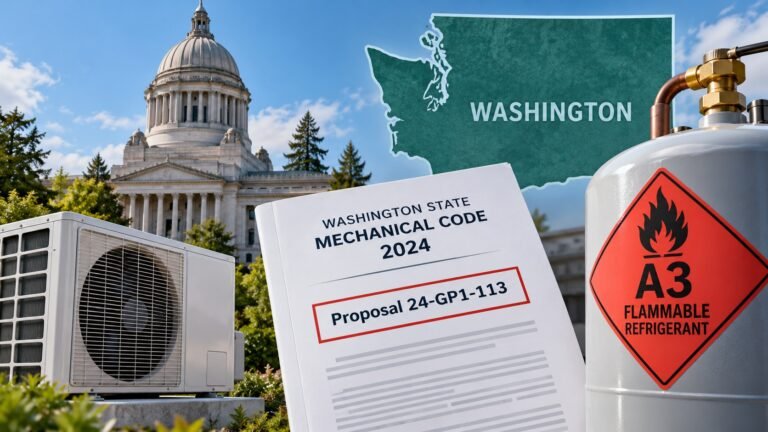
HARDI Urges Washington State to Reject A3 Refrigerant Code Exception
Industry groups say the proposal conflicts with North American standards and could create uncertainty for contractors, distributors and code officials.
AHRI Highlights Certification Benefits for HVACR Engineers in Latin America
Panelists urged certified equipment specifications, lifecycle cost analysis and post-project verification for mission-critical applications.

China Tightens HFC Controls as Pacific Countries Improve Refrigerant Trade Monitoring
China's 2025–2030 plan links quotas and licensing to reporting, recovery and efficiency standards, as Pacific customs adopt dedicated HFC codes.
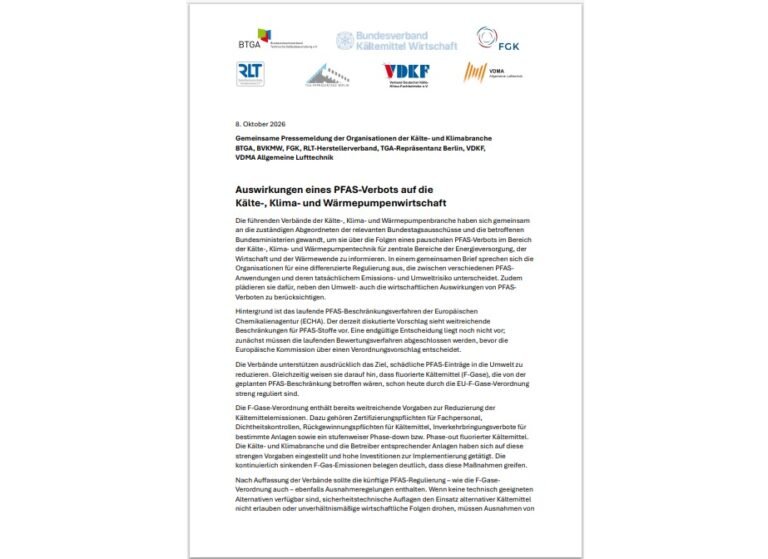
German HVACR Associations Call for Exemptions from Proposed PFAS Restrictions
Industry groups seek risk-based rules, transition periods and carve-outs where refrigerant alternatives are unsafe or unavailable.
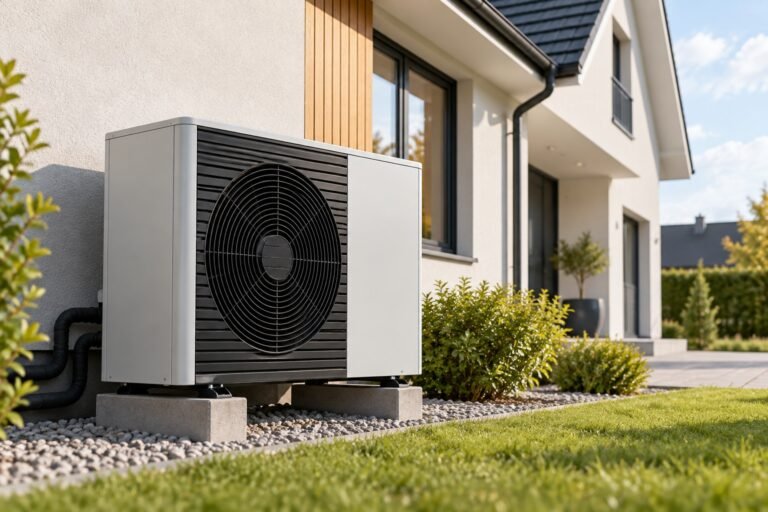
EHPA calls for EU action to unlock heat pump flexibility
Harmonised connectivity rules, smart meter coverage and dynamic tariffs are central to expanding demand-side participation.

Kigali Amendment Marks 10 Years of Global Action on Climate-Friendly Cooling
With 175 parties now participating, the UN says full implementation could prevent up to 0.5°C of global warming by century's end.
Insights on Regulations

EPA Delays Low-GWP Refrigerant Deadlines, Splitting the US Cooling Industry
The deadline that supermarkets faced to install new refrigeration systems running on low-GWP refrigerants was January 1, 2027. It is now January 1, 2032. On May 21, 2026, alongside President Trump in the Oval Office, EPA Administrator Lee Zeldin announced final revisions to the 2023 Technology Transitions Rule and a proposed technical fix to the

2025 in Refrigeration — What Changed, What Mattered, What’s Next
Refindustry has released its 2025 year-in-review, compiled from the most-read and most impactful updates published on https://refindustry.com/. The review captures how the industry moved from “refrigerant choice” discussions to real-world transition execution—where compliance pathways, safety engineering, component readiness, service capacity, and digital monitoring determine outcomes on projects and in day-to-day operations. What shaped 2025 in

Ammonia Refrigeration Evolves Amid Growing Competition
By: Ilana Koegelenberg Ammonia (NH3/ R717) refrigeration continues to dominate industrial applications across the United States and European Union, but the sector is undergoing significant transformation as operators balance traditional advantages with evolving safety requirements, workforce challenges, and competition from alternative refrigerants. While ammonia maintains its stronghold in large-scale facilities, new technologies and regulatory