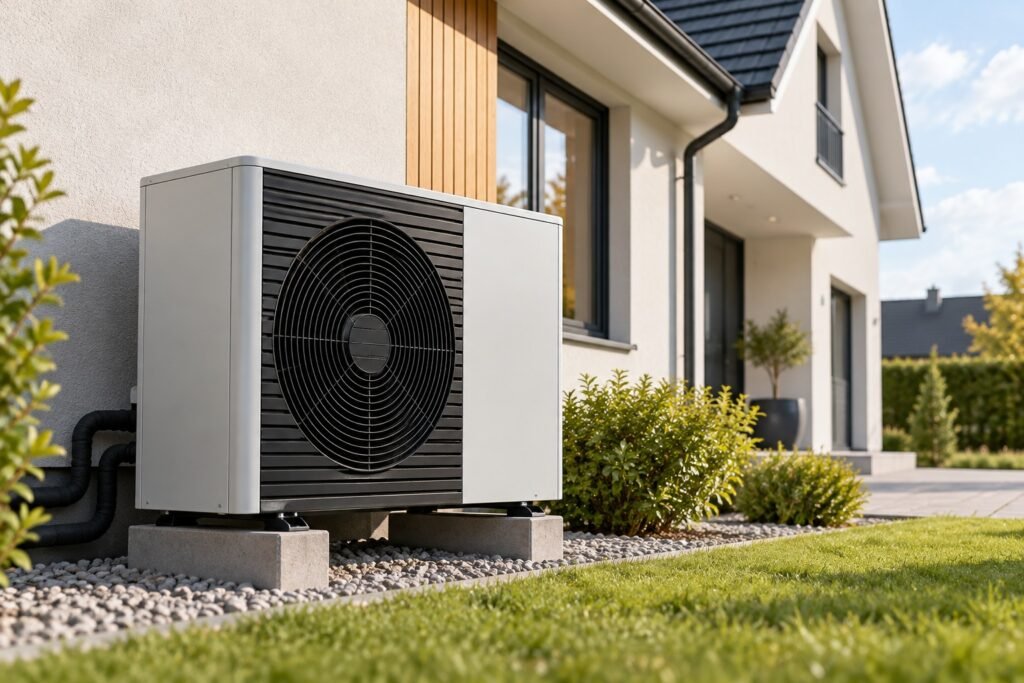
The European Heat Pump Association (EHPA) has called for EU measures to unlock the demand-side flexibility of heat pumps, including harmonised product requirements, wider smart meter deployment and stronger incentives for consumers. The association says heat pumps can adapt electricity consumption through peak shaving, valley filling and peak shifting while operating within user-defined comfort settings and safety limits.
EHPA identifies regulatory, market and technical barriers to wider deployment. It says flexible heat pumps may require hardware and software upgrades based on harmonised rules, while consumers need sufficient economic incentives through time-differentiated and dynamic energy contracts, cost-reflective network tariffs and access to energy and ancillary service markets.
The association calls for EU-level coordination of technical standards and connectivity requirements to avoid divergent national approaches. It notes that connected heat pumps are subject to requirements under Ecodesign, the Cyber Resilience Act and the Data Act, while individual countries are also developing or applying their own approaches to smart appliances and connectivity.
EHPA also urges faster deployment of smart meters and more attractive dynamic electricity contracts. According to the paper, seven EU Member States reported smart meter coverage below 80% in 2024, while five did not provide data. It supports the European Commission’s July 2026 proposal for binding smart meter coverage of at least 50% of final consumers by 2030 and 75% by 2033.
For grid services, EHPA advocates voluntary, transparent and market-based participation by heat pumps, building controls and smart control systems. It also calls for heat pump flexibility to be incorporated into grid planning based on electrical power demand, active power modulation, thermal storage capacity and the contribution of HVAC zoning and home energy management systems.
Finally, EHPA calls on Member States to promote non-fossil flexibility in capacity mechanisms. The association states that less than 30% of capacity mechanism payments currently go to low-emission technologies and argues that support for demand response and other non-fossil flexibility can strengthen the business case for demand-side flexibility.