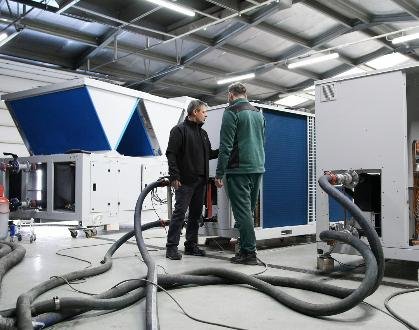
Recent F-gas regulations have imposed a complete phase out of high GWP refrigerants, resulting in a pressing need for businesses to transition away from old, synthetic refrigerant systems and switch to natural refrigerants, such as Propane, CO2 or Ammonia. For those considering replacing their old refrigerant systems, Refra offers the invaluable advantage of a decade-long expertise in the field.
The company embarked on this transformative journey 10 years ago, redefining its production practices by incorporating natural refrigerants into its manufacturing process. This decision set the company apart as industry pioneers, with 84% of production being with CO2 and Propane.
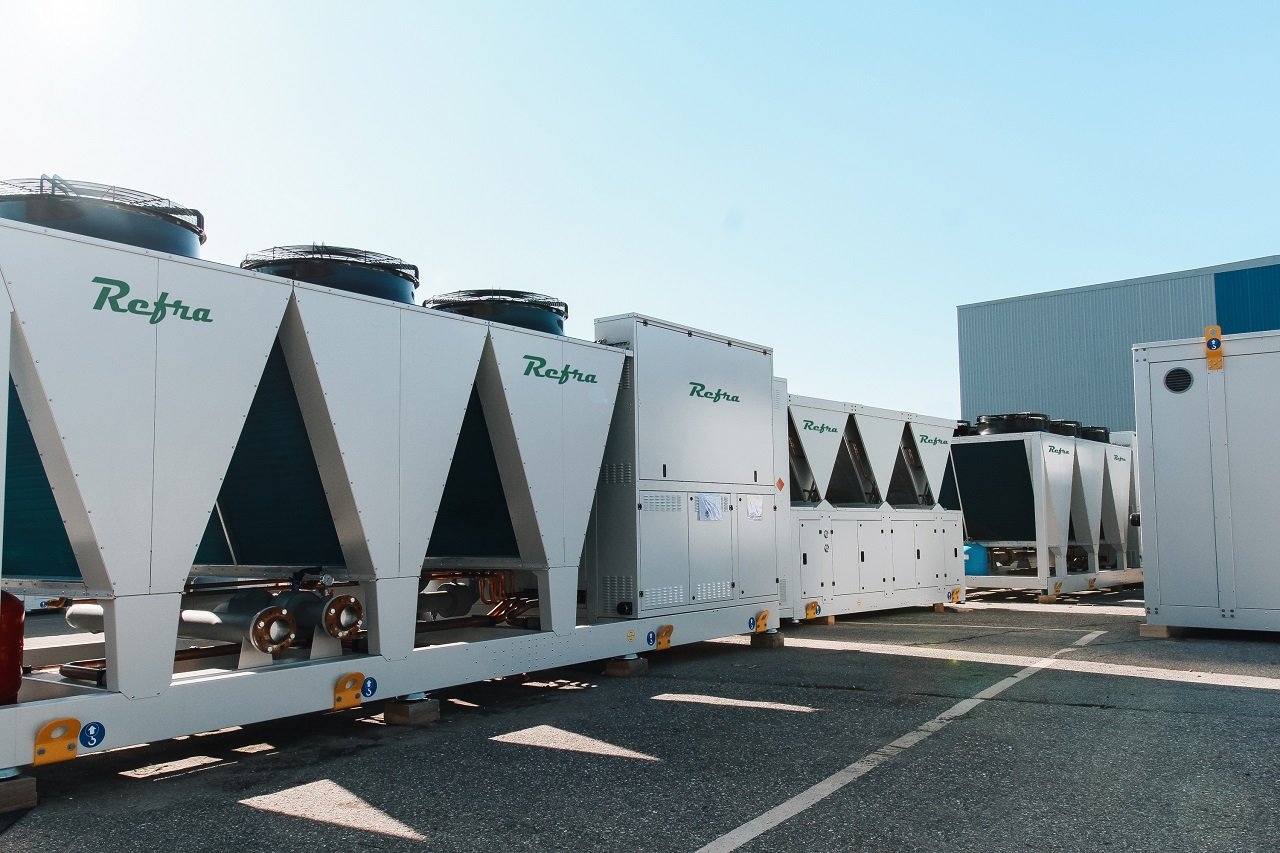
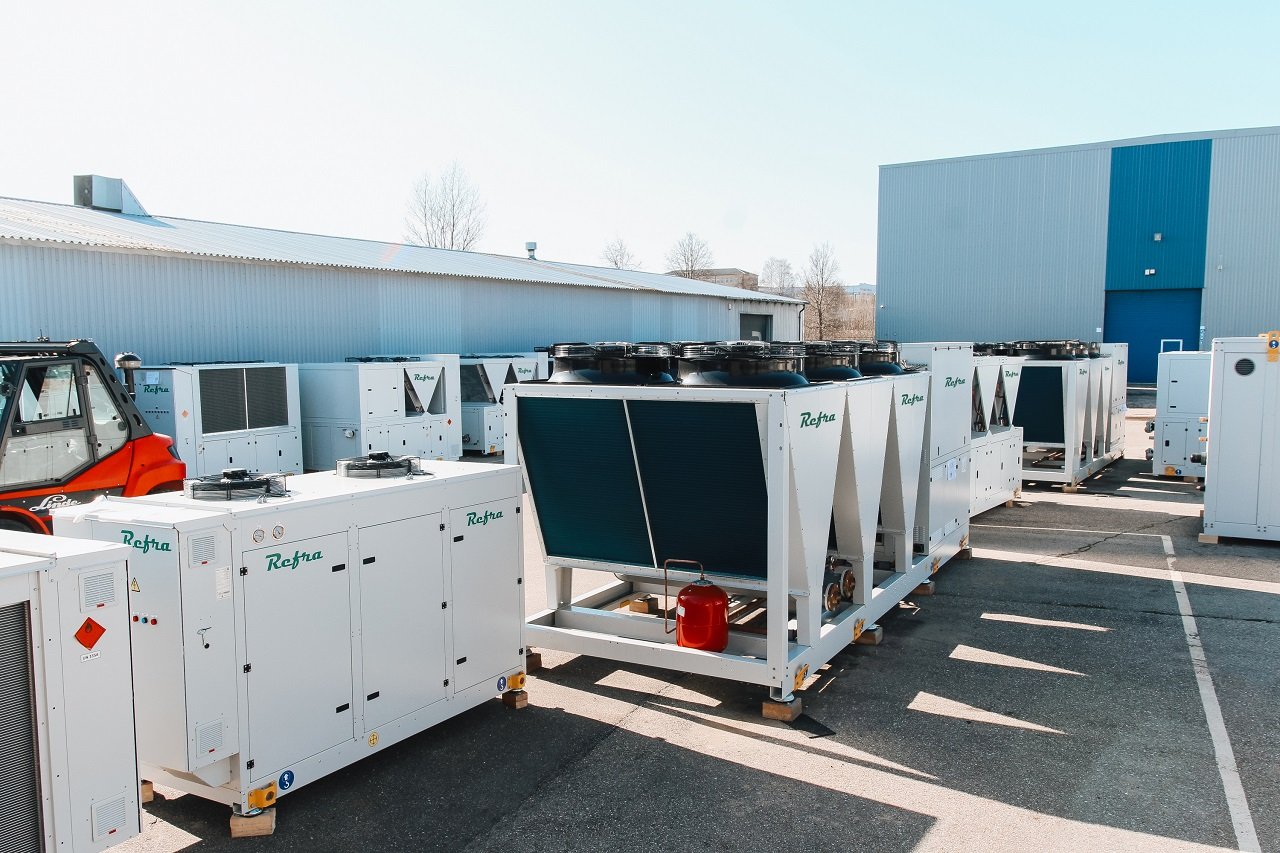
Today, Refra Propane Chillers and Heat Pumps constitute about 56% of overall products manufactured, showcasing their central position in the product offerings of the company. Reflecting on the past decade, it becomes evident that Refra’s unwavering commitment to quality, safety, and efficiency has laid the foundation for several noteworthy technological advancements. Let’s explore some of the key milestones that have shaped Refra’s journey in propane system production.
Quality Assurance Through Comprehensive Testing
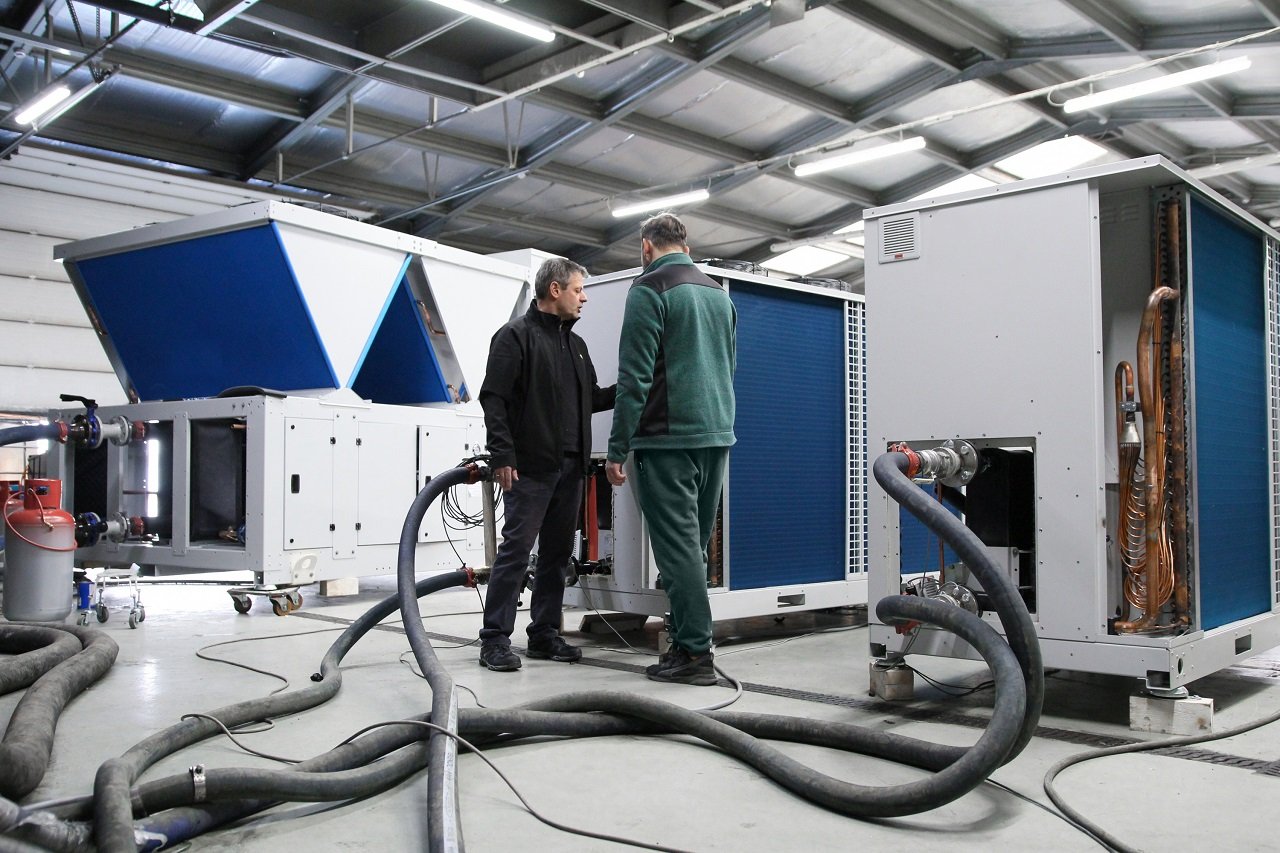
To continually enhance the efficiency and performance of its units, Refra conducts rigorous unit testing to identify the optimal combination of components for achieving higher efficiency parameters. Throughout the testing phase, the device’s efficiency, power consumption, and electricity usage metrics are carefully measured, alongside assessments of noise levels and vibrations.
At Refra, there is a firm dedication to aligning all technical specifications in the order documentation with the customer’s expectations. While some units on the market may not always reach the specified efficiency or power parameters, Refra prioritizes accuracy and reliability. Careful testing of each unit ensures that the customer receives a device that truly fulfills all the specified technical requirements.
Ensuring Safety in Propane Refrigeration Systems
Concerns regarding propane refrigeration systems often stem from the flammable properties of propane, that present risks in poorly ventilated spaces, where the buildup of propane vapor may potentially result in fire hazards. However, it’s essential to note that advancements in technology and safety standards have significantly mitigated these risks. Refra produces propane refrigeration systems that strictly adhere to the EN378 standard, showcasing the unwavering commitment to system reliability and safety.
Refra meticulously incorporates all necessary components mandated by the standard, including pressure relief devices, leak detection systems, safety valves, and emergency shutdown mechanisms. Throughout the entire history of producing propane refrigeration systems, Refra has maintained an impeccable safety record, with zero reported incidents.
Protective Frames: Ensuring Equipment Longevity
To enhance equipment durability and longevity, Refra has engineered unique frames, designed to prolong the lifespan of the machinery, consequently leading to long-term cost savings for the customer, minimal maintenance, and enhanced aesthetics for the frame.
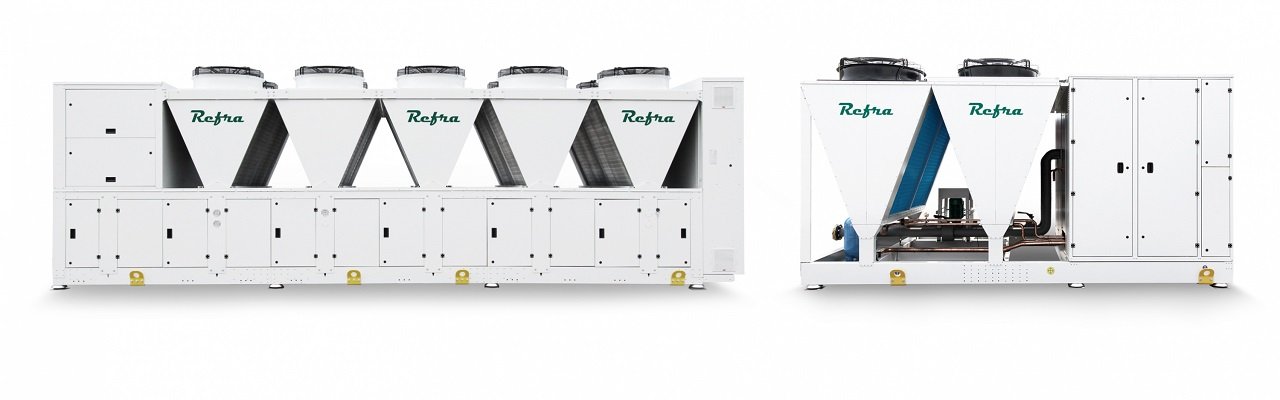
Refra’s propane refrigeration systems are constructed on enclosed, sealed frames, providing protection against external forces, snow or water ingress and potential damage from wildlife. Refra utilizes 3D pipe bending machines, which help minimize the need for soldering points, effectively reducing instances of leakage.
The frames are made of galvanized steel with polymer coating – the combination which provides superior corrosion resistance, weather resilience, and impact protection. Closed frames effectively minimize noise levels, and for optimal sound reduction, Refra offers a special thick frame featuring an additional layer of 30-50 mm rockwool insulation.
As the HVACR industry navigates the shifting landscape of F-gas regulations, Refra stands ready to meet the evolving needs of its customers. The company remains dedicated to encourage the adoption of natural refrigerant systems, leveraging its expertise and drive for positive change that will ensure a cleaner, healthier environment for generations to come.