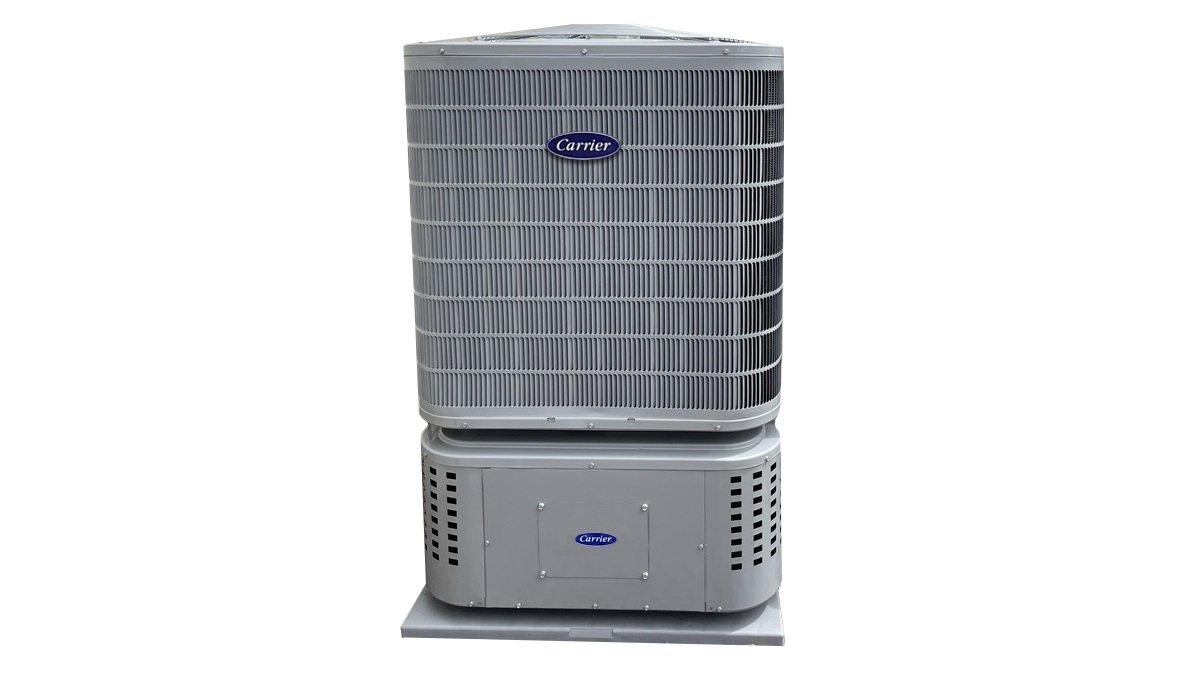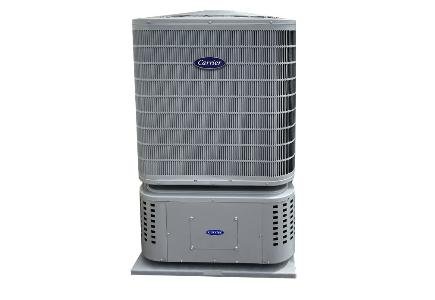
Carrier has initiated the largest field trial in its 123-year history to test battery-integrated HVAC systems designed to support grid flexibility and resilience in the United States.
The pilot program, currently underway with select homeowners across four U.S. climate zones, evaluates the performance of Carrier’s next-generation Home Energy Management System (HEMS). The system combines variable-speed heat pumps with battery storage to shift energy use from peak to off-peak periods, helping reduce strain on the grid and enhance renewable energy integration.
According to Carrier, the trial aims to determine how HVAC systems can function as active grid assets by maintaining comfort during peak demand, supporting demand response, and aligning battery charging with renewable energy availability. The project includes collaboration with multiple utilities and the Electric Power Research Institute (EPRI), which will validate the data and assess the systems’ potential for load shifting, emissions reduction, and deferred infrastructure investment.
A July 2025 white paper from Carrier estimates that its installed base of over 30 million residential HVAC units represents approximately 100 GW of potential flexible load—more than 10% of total U.S. peak demand.
“This field trial isn’t just a milestone—it’s proof that Carrier is helping lead the energy transition,” said Hakan Yilmaz, Chief Technology & Sustainability Officer at Carrier and head of the Carrier Energy business. “With data to be validated by EPRI, we’re proving that smart, sustainable home energy solutions are not a future concept—they’re happening now.”