Esta página solo está disponible en inglés. Ir a la portada en español

×

Questa pagina è disponibile solo in inglese. Home page in italiano

×

Diese Seite ist nur auf Englisch verfügbar. Zur deutschen Startseite

×

Cette page est disponible uniquement en anglais. Aller à la page d'accueil en français

×

Haryana launches JICA-backed horticulture and cold chain project

The INR 2,738 crore initiative will target efficient cooling, lower food loss and stronger market links for the state's growers.

Haryana launches JICA-backed horticulture and cold chain project

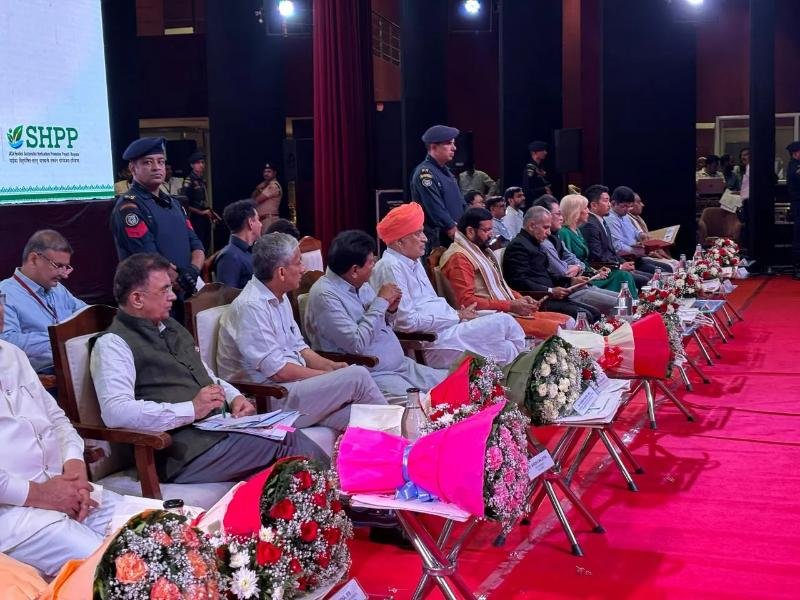
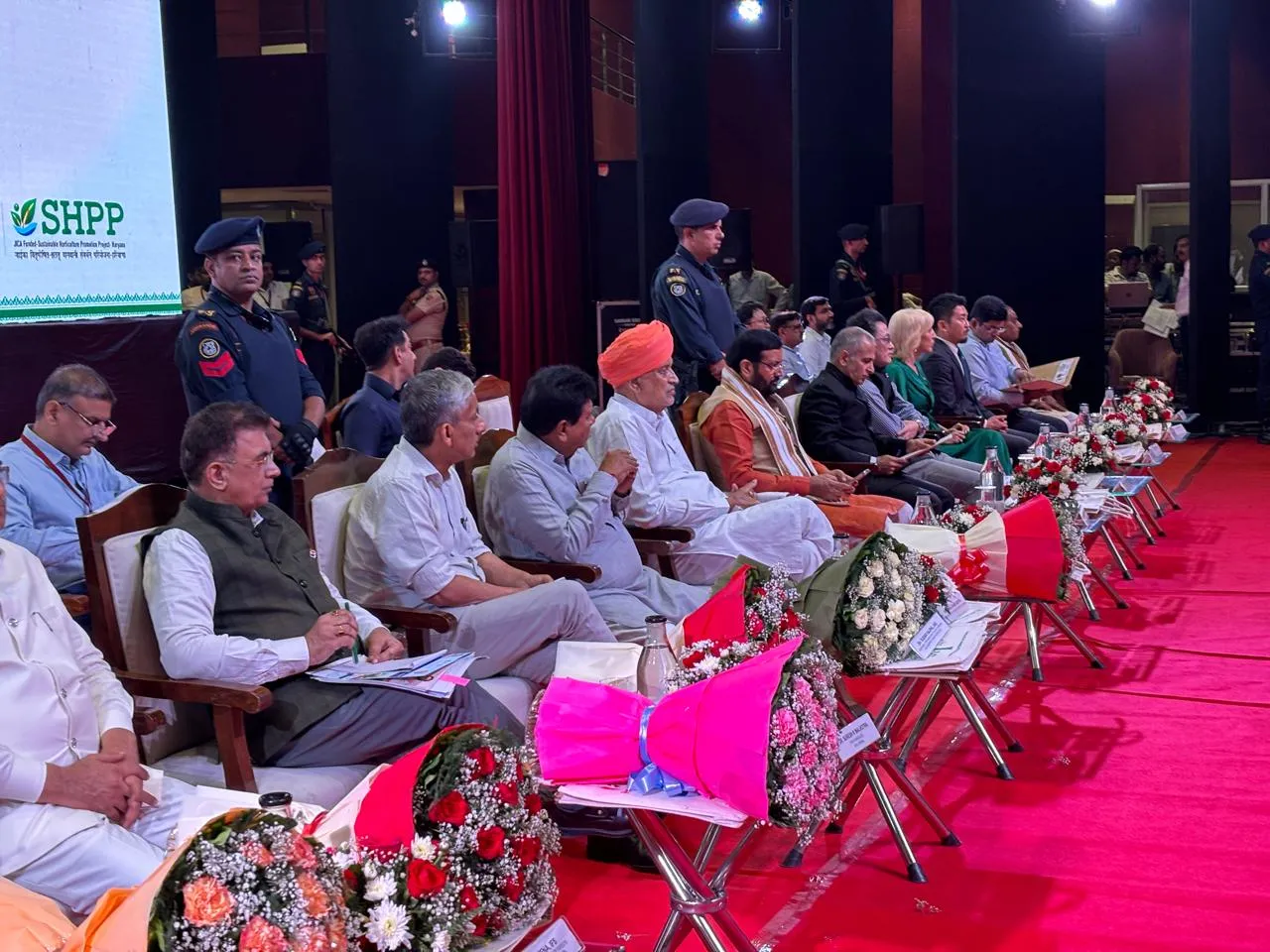
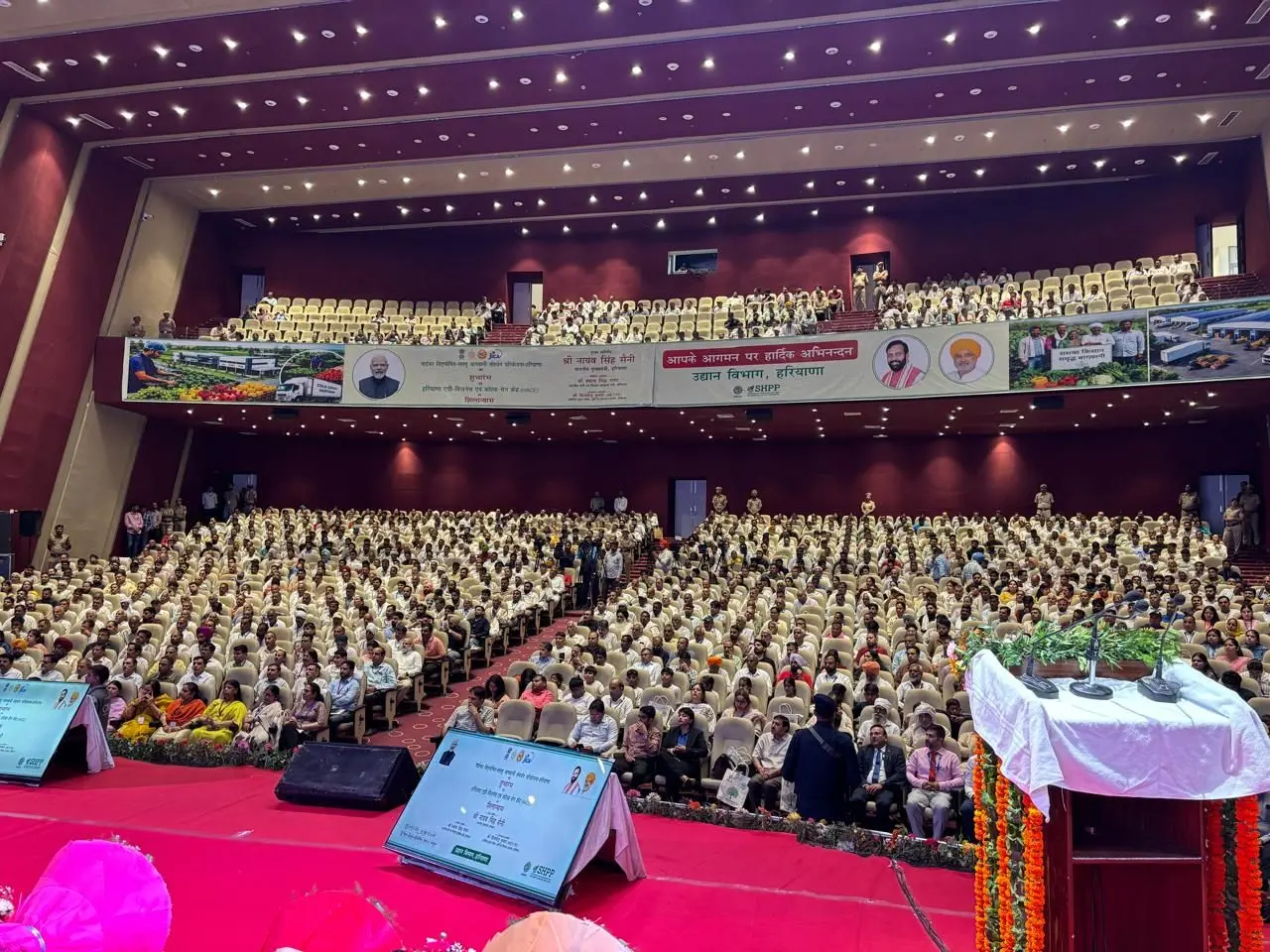
The Government of Haryana has launched the Sustainable Horticulture Promotion Project (SHPP-JICA) and laid the foundation stone for the Haryana Agri-Business & Cold Chain Centre (HACE). The initiative aims to strengthen climate-smart horticulture and sustainable cold chains in the Indian state.

Supported by the Japan International Cooperation Agency (JICA), the INR 2,738 crore (USD 320 million) project is designed to improve production practices, post-harvest management, integrated cold chain systems and market linkages. The project is expected to benefit thousands of farmers across Haryana, reduce food loss and improve agricultural and horticulture incomes.

HACE will serve as a hub for capacity building, technology demonstration and innovation in sustainable cold chain development. Together, SHPP and HACE are expected to improve aggregation, quality, cooling, storage, transport and distribution of perishable produce from farmgate to consumption centers.

The initiatives build on Haryana’s Cold Chain Policy, developed by the Department of Horticulture with technical support from the United Nations Environment Programme (UNEP) under its India Cold Chain Programme (ICCP). The policy provides a roadmap for expanding energy-efficient cold chain infrastructure across the state.

UNEP has supported SHPP-JICA and HACE as knowledge partner through the Cool Coalition’s India Cold Chain Programme, in partnership with Alliance for an Energy Efficient Economy and supported by Clean Cooling Collaborative. The support focuses on integrating sustainability, clean energy and energy efficiency into cold chain planning and implementation, particularly in first-mile packhouses at rural level connected with refrigerated transport.

“SHPP-JICA and HACE mark key milestones in Haryana’s move towards climate-smart horticulture. Building on the State’s pioneering cold chain policy, supported by UNEP, these initiatives will reduce food loss, boost farmer incomes, improve energy efficiency, and cut emissions. This growing partnership highlights how international collaboration can strengthen food systems, enhance climate resilience, and support inclusive growth. UNEP is proud to contribute to this journey through ICCP, linking climate action with farmer resilience and prosperity,” said Dr. Balakrishna Pisupati, Head, UNEP India.
Get the daily refrigeration briefing

One email a day. Trusted by 3,700+ RACHP professionals.

More on Cold Chain

All on Cold Chain →

Insights

Secop's Solar Direct Drive (SDD) System Earns WHO PQS Approval – The Team Behind It
Article

Secop’s Solar Direct Drive (SDD) System Earns WHO PQS Approval – The Team Behind It

Partner's material In March 2026, Secop’s Solar Direct Drive Power Management Module was granted WHO PQS prequalification and officially listed in the WHO Catalogue of Prequalified Immunization Devices. The WHO IMD-PQS (Immunization Devices Performance, Quality and Safety programme) is the global benchmark for cold chain equipment used in immunisation. Being listed in its catalogue is

22 Jun 2026
Case Study - Effect of Louvers or diffusers on air flow distribution and cooling time on a meat log during Chill cycle
Tech Guide

Case Study – Effect of Louvers or diffusers on air flow distribution and cooling time on a meat log during Chill cycle

By Kushal Aurangabadkar An experimental analysis was conducted on a cooler space measuring 3.66 m × 6.096 m (12.0 ft × 20.0 ft), equipped with an ammonia refrigeration coil, five 30 cm (12 in.) fans, and five diffusers. The study measured airflow patterns, cooling rates, and heat transfer efficiency in meat storage by testing two configurations:

Kushal Aurangabadkar · 21 Jan 2026
Total Cost of Ownership (TCO) for Modular Refrigeration Systems in Life Sciences Distribution Centers
Tech Guide

Total Cost of Ownership (TCO) for Modular Refrigeration Systems in Life Sciences Distribution Centers

by Ramez Naguib, P.E. Introduction Life sciences distribution centers are under immense pressure to deliver consistent temperature control, comply with increasingly stringent regulations, and optimize operational efficiency. Traditional built-up refrigeration systems often prove cumbersome, costly, and slow to implement. In contrast, modular, factory-assembled refrigeration systems have emerged as a compelling alternative. Drawing on lessons from

Ramez Naguib · 14 Jan 2026
Everything on Cold Chain: 2,064 articles, 2 case studies, 23 insights

Most read this month

All news →