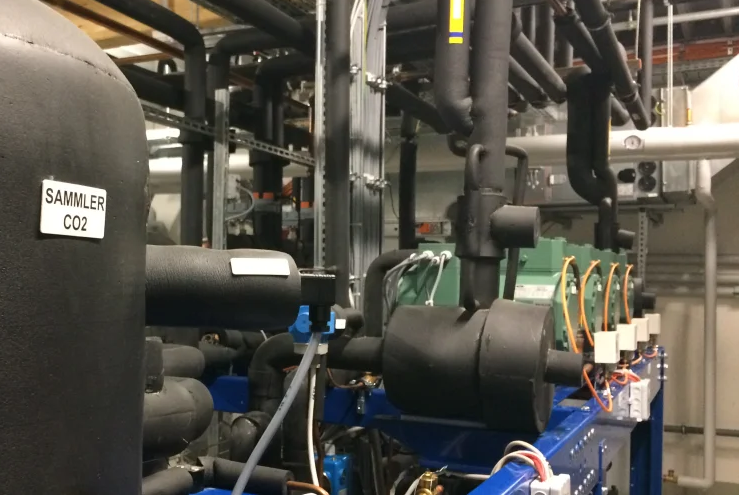
The HVACR industry is undergoing a transformative shift as environmental regulations, such as the Montreal Protocol and Kigali Amendment, drive the phase-down of high-GWP refrigerants like HFCs in favor of more sustainable alternatives. This report explores the critical role refrigerants play in cooling systems and examines the transition to low-GWP solutions such as HFOs, CO₂, ammonia, and hydrocarbons. With a focus on regulatory impacts, safety considerations, and technological innovations, the report provides an in-depth look at the evolving refrigerant landscape across sectors, from commercial refrigeration to automotive air conditioning, as the industry moves toward more eco-friendly and efficient systems.
Contents:
- Overview
of Refrigerants in the HVACR Industry - Importance
of Refrigerant Choice in Modern Systems - Regulatory
Environment and Environmental Impact
- CFCs
(Chlorofluorocarbons) - HCFCs
(Hydrochlorofluorocarbons) - HFCs
(Hydrofluorocarbons) - HFOs
(Hydrofluoroolefins) - Natural
Refrigerants (Ammonia, CO2, Hydrocarbons)
- Thermodynamic
Characteristics - Safety
Classifications (Toxicity, Flammability) - Environmental
Impact (ODP, GWP) - Energy
Efficiency
- Global
and Regional Environmental Regulations (Montreal Protocol, Kigali
Amendment) - Safety
Standards (ISO, EN, ASHRAE) - Future
Trends in Regulatory Changes
- Commercial
Refrigeration - Industrial
Refrigeration - Air
Conditioning (Residential, Commercial, Industrial) - Heat
Pumps
- Environmental
Considerations (GWP, ODP) - System
Design Compatibility - Energy
Efficiency and Performance - Cost
and Availability
- Safe
Storage and Transportation - Leak
Detection and Mitigation - Recovery,
Recycling, and Disposal of Refrigerants - Technician
Training and Certification
- Emerging
Technologies in Refrigeration - Trends
in Low-GWP Refrigerants - Alternatives
to Conventional Refrigerants - Innovations
in Refrigeration Systems Design
- Key
Takeaways on Refrigerant Choices and Future Outlook - Challenges
and Opportunities in the Refrigerant Sector
1. Introduction
Overview of Refrigerants in the HVACR Industry
Refrigerants are the lifeblood of heating, ventilation, air
conditioning, and refrigeration (HVACR) systems, playing a pivotal role in the
transfer of heat. These chemical compounds facilitate the cooling or heating
process by cycling between liquid and gaseous states, absorbing and releasing
heat in the process. The selection of the right refrigerant is critical to
system performance, energy efficiency, and environmental impact. The evolution
of refrigerants over the past century has been driven by technological
advancements, regulatory pressures, and a growing awareness of the
environmental consequences associated with refrigerant emissions.
In the early 20th century, natural refrigerants like ammonia
(R-717) and carbon dioxide (R-744) were widely used in industrial applications
due to their effectiveness. However, the search for safer, more stable
alternatives led to the development of synthetic refrigerants like
chlorofluorocarbons (CFCs) and hydrochlorofluorocarbons (HCFCs). These
chemicals revolutionized the HVACR industry due to their non-flammability and
stability but were later discovered to contribute significantly to ozone
depletion and global warming.
This realization prompted a global shift towards more
environmentally friendly refrigerants, with a focus on reducing ozone depletion
potential (ODP) and global warming potential (GWP). Today, the industry is
transitioning towards refrigerants with lower environmental impact, such as
hydrofluorocarbons (HFCs), hydrofluoroolefins (HFOs), and natural refrigerants,
all while balancing performance, safety, and regulatory compliance.
Importance of Refrigerant Choice in Modern Systems
The selection of refrigerants impacts several critical
aspects of HVACR systems, including energy efficiency, environmental
sustainability, operational safety, and overall system longevity. Energy-efficient
refrigerants not only reduce the operational cost but also contribute to lower
greenhouse gas emissions, aligning with global goals to mitigate climate
change. As a result, HVACR system designers and engineers must carefully
consider the thermodynamic properties of refrigerants, their environmental
footprint, and safety classifications when designing or retrofitting systems.
Additionally, many governments have imposed stringent
regulations that restrict the use of high-GWP and ODP refrigerants. As
regulatory standards evolve, businesses and manufacturers face increasing
pressure to adopt refrigerants that comply with these rules while maintaining
high performance and minimizing costs.
Regulatory Environment and Environmental Impact
The regulatory landscape surrounding refrigerants is shaped
by international agreements such as the Montreal Protocol and its Kigali
Amendment, which set global standards for phasing out ozone-depleting
substances (ODS) and reducing the GWP of refrigerants. The Montreal Protocol,
established in 1987, was instrumental in controlling and eventually eliminating
the use of CFCs and HCFCs, which were found to be responsible for the depletion
of the Earth’s ozone layer. The Kigali Amendment, adopted in 2016, expanded the
Protocol’s mandate by calling for the gradual reduction in the production and
consumption of HFCs—refrigerants that, while not harmful to the ozone layer,
have significant global warming potential.
These international agreements have driven major changes in
refrigerant use across the world, leading to the development of alternative
low-GWP refrigerants and prompting innovation in refrigeration and air
conditioning technologies. In addition to global regulations, regional
authorities like the European Union’s F-Gas Regulation and the U.S.
Environmental Protection Agency’s Section 608 have further accelerated the
shift towards more sustainable refrigerants.
The environmental impact of refrigerants extends beyond
their immediate effect on ozone depletion and climate change. Improper
handling, leaks, and system inefficiencies can lead to the release of
refrigerants into the atmosphere, exacerbating their harmful effects.
Consequently, modern systems are designed with leak detection, recovery, and
recycling mechanisms to minimize refrigerant losses and enhance environmental
protection.
2. Types of Refrigerants
Refrigerants have evolved significantly over the past
century as technology, safety, and environmental considerations have
progressed. The following section provides an in-depth exploration of the major
types of refrigerants used in the HVACR industry, highlighting their
characteristics, environmental impact, and suitability for different
applications.
2.1 Chlorofluorocarbons (CFCs)
Chlorofluorocarbons (CFCs) were among the earliest synthetic
refrigerants developed in the 1930s. Due to their stability, non-flammability,
and low toxicity, CFCs were widely adopted in refrigeration and air
conditioning systems for several decades. Common CFC refrigerants, such as R-12
and R-11, were once the industry standard in both residential and commercial
HVACR applications.
However, CFCs were later found to have a devastating impact
on the ozone layer, leading to their classification as ozone-depleting
substances (ODS) with high Ozone Depletion Potential (ODP). The most notable
impact of CFCs is their ability to break down ozone molecules in the Earth’s
stratosphere, resulting in the thinning of the ozone layer. This discovery led
to their phase-out under the Montreal Protocol in the late 20th century.
- Environmental
Impact: High ODP, high GWP. - Examples:
R-12, R-11. - Current
Status: Phased out due to severe environmental damage.
2.2 Hydrochlorofluorocarbons (HCFCs)
Hydrochlorofluorocarbons (HCFCs) were introduced as a
transitional alternative to CFCs in the late 20th century. HCFCs, such as R-22,
were designed to be less damaging to the ozone layer, with a lower ODP compared
to CFCs. However, despite being a somewhat safer alternative, HCFCs still have
significant ODP and Global Warming Potential (GWP), making them unsuitable for
long-term use in a sustainable HVACR industry.
The Montreal Protocol also mandated the gradual phase-out of
HCFCs, with the most widely used HCFC, R-22, seeing its production restricted
in many countries. The search for less harmful refrigerants has led to the
development of more environmentally friendly alternatives, making HCFCs less
common in new systems, though they are still in use in older equipment.
- Environmental
Impact: Lower ODP than CFCs, but still significant; high GWP. - Examples:
R-22, R-123. - Current
Status: Phased out in most regions but still in use in legacy systems.
2.3 Hydrofluorocarbons (HFCs)
Hydrofluorocarbons (HFCs) became a popular choice as
replacements for CFCs and HCFCs due to their zero Ozone Depletion Potential
(ODP). Unlike their predecessors, HFCs do not contain chlorine, which makes
them safe for the ozone layer. Common HFCs, such as R-134a, R-410A, and R-404A,
became widely used in refrigeration, air conditioning, and automotive
applications.
However, despite their zero ODP, HFCs have a high Global
Warming Potential (GWP), contributing to climate change. As awareness of global
warming has increased, regulatory bodies have called for the reduction of HFC
use, leading to the development of next-generation refrigerants with lower
environmental impact.
- Environmental
Impact: Zero ODP, but high GWP. - Examples:
R-134a, R-410A, R-404A. - Current
Status: Subject to phase-down under the Kigali Amendment due to
their high GWP. Being replaced by low-GWP alternatives.
2.4 Hydrofluoroolefins (HFOs)
Hydrofluoroolefins (HFOs) represent the latest advancement in refrigerant technology. These refrigerants are designed to address the environmental shortcomings of HFCs, particularly their high GWP. HFOs, such as R-1234yf and R-1234ze, offer a much lower GWP than traditional HFCs while maintaining the non-ozone-depleting benefits.
HFOs are being increasingly adopted in various sectors, including automotive air conditioning, commercial refrigeration, and even large-scale industrial applications. However, they come with some trade-offs, such as mild flammability, which has led to careful consideration in their application.
Environmental Considerations of HFOs
While HFOs are promoted as environmentally friendly due to their low GWP and zero ODP, emerging research has raised concerns about their potential environmental impact. One of the primary decomposition products of HFOs, specifically R-1234yf and R-1234ze, is trifluoroacetic acid (TFA). TFA is a persistent compound that is highly soluble in water and resistant to degradation in the environment.
As HFOs break down in the atmosphere, TFA can accumulate in water bodies such as rivers, lakes, and oceans. Although current TFA concentrations are considered low and not immediately harmful to aquatic ecosystems or human health, there is uncertainty regarding the long-term effects of increased TFA levels resulting from widespread HFO use.
Environmental agencies and scientists are monitoring TFA accumulation to assess potential ecological risks. The HVACR industry is also exploring mitigation strategies, including developing alternative refrigerants with minimal environmental side effects and improving the lifecycle management of HFOs to reduce emissions.
Current Status: Growing adoption in new systems as a preferred low-GWP alternative to HFCs, with ongoing research into their full environmental impact.
2.5 Natural Refrigerants
Natural refrigerants have experienced a resurgence in recent
years due to their low environmental impact and excellent thermodynamic
properties. Unlike synthetic refrigerants, natural refrigerants such as ammonia
(R-717), carbon dioxide (CO₂, R-744), and hydrocarbons (e.g., propane,
isobutane) are not harmful to the ozone layer and generally have low GWP.
Each natural refrigerant comes with its own advantages and
challenges. For instance, ammonia offers excellent energy efficiency and low
cost but is toxic, limiting its use to industrial applications. CO₂ is
non-toxic and non-flammable but operates at high pressures, which can
complicate system design. Hydrocarbons, such as propane and isobutane, are
widely used in smaller applications due to their high efficiency and low GWP,
but they are flammable, requiring special safety measures.
- Environmental
Impact: Zero ODP, low GWP. - Examples:
Ammonia (R-717), CO₂ (R-744), Propane (R-290), Isobutane (R-600a). - Current
Status: Increasing use, particularly in industrial and eco-friendly
systems.
Summary of Refrigerant Types
|
Refrigerant |
ODP |
GWP |
Advantages |
Disadvantages |
|---|---|---|---|---|
|
CFCs (e.g., R-12) |
High |
High |
Stable, non-toxic |
High ODP and GWP, phased out |
|
HCFCs (e.g., R-22) |
Medium |
High |
Lower ODP than CFCs |
Still harmful, being phased out |
|
HFCs (e.g., R-134a) |
Zero |
High |
Zero ODP |
High GWP, subject to phase-down |
|
HFOs (e.g., R-1234yf) |
Zero |
Low |
Very low GWP, eco-friendly |
Mild flammability |
|
Natural (e.g., CO₂) |
Zero |
Low |
Low GWP, high efficiency |
|
3. Refrigerant Properties
Understanding the key properties of refrigerants is essential
for selecting the right one for HVACR applications. These properties affect
system performance, energy efficiency, safety, and environmental impact. The
following section explores the most important properties of refrigerants and
their relevance to system design and operation.
3.1 Thermodynamic Characteristics
The thermodynamic properties of a refrigerant determine its
efficiency and suitability for different applications. The following
characteristics are crucial when evaluating refrigerants:
- Boiling
Point: The boiling point of a refrigerant is the temperature at which
it changes from liquid to gas at a given pressure. This is a critical
factor in determining how effectively the refrigerant can absorb and
release heat. Refrigerants with lower boiling points are often more
suitable for low-temperature applications, while those with higher boiling
points may be better suited for air conditioning and high-temperature
refrigeration. - Latent
Heat of Vaporization: This refers to the amount of heat a refrigerant
can absorb when changing from a liquid to a gas without changing its
temperature. A higher latent heat of vaporization means that a refrigerant
can absorb more heat, making it more efficient at cooling. For example,
ammonia (R-717) has a high latent heat, which makes it highly efficient in
industrial applications. - Specific
Heat: The specific heat capacity of a refrigerant affects how much
energy is required to raise its temperature. Refrigerants with a higher
specific heat can store more thermal energy, which can influence system
design and efficiency. - Pressure-Temperature
Relationship: The pressure at which a refrigerant operates is a key
design consideration. Refrigerants like CO₂ (R-744) operate at extremely
high pressures, which necessitates specialized equipment to handle those
conditions. On the other hand, low-pressure refrigerants like R-1234ze can
be used in systems with less stringent pressure requirements.
3.2 Safety Classifications (Toxicity and Flammability)
Refrigerant safety is classified based on two primary
factors: toxicity and flammability. These classifications are
outlined by standards organizations such as ASHRAE (American Society of
Heating, Refrigerating and Air-Conditioning Engineers).
- Toxicity:
Refrigerants are classified as either Class A (lower toxicity) or Class B
(higher toxicity). For example, ammonia (R-717) is highly toxic and
classified as Class B, making it suitable only for industrial systems
where proper containment and ventilation are assured. On the other hand,
refrigerants like HFCs and HFOs are typically Class A and pose minimal
toxicity risks under normal operating conditions. - Flammability:
Flammability is categorized into three groups: 1 (non-flammable), 2L (low
flammability), and 3 (high flammability). While many HFCs, such as R-134a,
are non-flammable (Class 1), newer alternatives like HFOs and hydrocarbons
often exhibit some degree of flammability. For instance, R-1234yf is
classified as 2L, meaning it is mildly flammable, while hydrocarbons like
propane (R-290) are highly flammable (Class 3). Flammability must be
carefully considered when selecting refrigerants for certain applications,
especially in residential or commercial systems where safety is a primary
concern.
3.3 Environmental Impact (ODP and GWP)
Two key metrics used to assess the environmental impact of
refrigerants are Ozone Depletion Potential (ODP) and Global Warming
Potential (GWP).
- Ozone
Depletion Potential (ODP): This metric indicates the refrigerant’s
ability to deplete the ozone layer. CFCs, such as R-12, have a high ODP,
meaning they cause significant damage to the ozone layer. HCFCs, like
R-22, have a lower ODP but still contribute to ozone depletion. Modern
refrigerants such as HFCs and HFOs have an ODP of zero, meaning they do
not harm the ozone layer. - Global
Warming Potential (GWP): GWP measures the impact of a refrigerant on
global warming relative to carbon dioxide (CO₂, which has a GWP of 1).
Refrigerants with high GWP, such as HFCs (e.g., R-404A with a GWP of over
3900), contribute significantly to climate change. On the other hand,
newer refrigerants like HFOs (e.g., R-1234yf with a GWP below 1) and
natural refrigerants like ammonia (GWP of 0) are much more environmentally
friendly. The trend in the HVACR industry is toward the adoption of
refrigerants with low GWP to meet stringent environmental regulations and
reduce the sector’s contribution to global warming.
3.4 Energy Efficiency
The energy efficiency of a refrigerant is crucial to
minimizing operational costs and reducing the environmental footprint of HVACR
systems. The efficiency of a refrigerant is influenced by its thermodynamic
properties and its performance in real-world conditions.
- Coefficient
of Performance (COP): COP is a measure of the energy efficiency of a
refrigeration system, calculated as the ratio of cooling or heating
provided to the amount of energy consumed. Refrigerants with higher COP
values are considered more efficient, as they provide more cooling or
heating for the same amount of energy input. For example, refrigerants
like ammonia and CO₂ have high COP values, making them highly efficient
choices in industrial and commercial applications. - System
Design and Energy Use: Refrigerant properties also influence the
overall energy consumption of HVACR systems. Factors such as the
refrigerant’s pressure-temperature characteristics and its ability to work
efficiently at varying ambient temperatures can significantly impact energy
use. Refrigerants that work well across a broad temperature range and
require less energy for compression cycles will typically lead to lower
operating costs. - Environmental
Efficiency: When selecting refrigerants, there is often a trade-off
between energy efficiency and environmental impact. Some refrigerants may
offer superior energy efficiency but have a higher GWP, while others may
be more environmentally friendly but less efficient. Striking a balance
between these factors is essential for sustainable system design.
3.5 Compatibility with System Components
The chemical stability and compatibility of a refrigerant
with system components such as compressors, heat exchangers, and lubricants are
critical factors in ensuring the longevity and reliability of HVACR systems.
- Material
Compatibility: Some refrigerants, especially natural ones like
ammonia, can be corrosive to certain materials such as copper or brass.
Therefore, system components must be carefully selected to ensure
compatibility with the chosen refrigerant. Synthetic refrigerants like
HFCs and HFOs tend to have fewer issues with material compatibility but
may still require specific lubricants or seals. - Lubricant
Compatibility: Refrigerants interact with lubricants in the system,
and this interaction can significantly affect the performance and
longevity of compressors. For example, HFC refrigerants often require
synthetic polyol ester (POE) oils, while natural refrigerants like
hydrocarbons may be compatible with more traditional mineral oils. Using
the wrong lubricant can lead to increased wear, reduced efficiency, and even
system failure.
Summary of Key Refrigerant Properties
|
Property |
Impact |
|---|---|
|
Boiling Point |
Determines suitability for specific temperature ranges in |
|
Latent Heat of Vaporization |
Affects the refrigerant’s efficiency in transferring heat. |
|
Pressure-Temperature Relationship |
Influences system design, operational pressure, and |
|
Safety Classifications |
Critical for system safety; toxic and flammable |
|
ODP & GWP |
Environmental impact; zero ODP and low GWP refrigerants |
|
Energy Efficiency |
A key factor in reducing operational costs and energy |
|
Material and Lubricant Compatibility |
Ensures long-term system reliability and reduces |
4. Refrigerant Regulations and Standards
The use of refrigerants in the HVACR industry is heavily
regulated due to their potential environmental and safety risks. Over the
years, international and regional regulations have evolved to address the
impact of refrigerants on both the ozone layer and climate change. Compliance
with these regulations is critical for businesses operating in the HVACR
industry, as it shapes the choice of refrigerants, system design, and lifecycle
management. This section will explore the most significant global and regional
regulations, the standards that govern refrigerant use, and the future trends
in refrigerant regulation.
4.1 Global Environmental Regulations
4.1.1 The Montreal Protocol
The Montreal Protocol, adopted in 1987, is one of the
most influential international environmental agreements. It was designed to
phase out substances that deplete the ozone layer, particularly
chlorofluorocarbons (CFCs) and hydrochlorofluorocarbons (HCFCs), which were
commonly used as refrigerants. The protocol has undergone several amendments,
including the 1990 London Amendment and the 1992 Copenhagen Amendment, which
expanded the list of controlled substances and accelerated the phase-out
schedules.
The protocol’s success lies in its nearly universal
adoption, with all 197 United Nations member states agreeing to its provisions.
It has resulted in a significant reduction in the production and consumption of
ozone-depleting substances (ODS), leading to a gradual recovery of the ozone
layer.
- Impact
on Refrigerants: CFCs, such as R-12, and HCFCs, such as R-22, were
targeted for phase-out under the Montreal Protocol. The phase-out of HCFCs
is ongoing, with complete elimination expected in most countries by 2030.
As a result, the HVACR industry has shifted to alternatives like
hydrofluorocarbons (HFCs) and more recently, natural refrigerants and
hydrofluoroolefins (HFOs).
4.1.2 The Kigali Amendment
The Kigali Amendment to the Montreal Protocol,
adopted in 2016, represents the latest step in regulating refrigerants. While
the original protocol focused on substances that harm the ozone layer, the
Kigali Amendment specifically targets hydrofluorocarbons (HFCs), which have
zero ozone depletion potential (ODP) but a high global warming potential (GWP).
The amendment calls for the gradual reduction of HFCs over time, with developed
countries leading the phase-down and developing nations following a slower schedule.
The goal of the Kigali Amendment is to reduce the global
warming impact of refrigerants by promoting the transition to low-GWP
alternatives, such as HFOs and natural refrigerants. It is estimated that the
full implementation of the Kigali Amendment could prevent up to 0.5°C of global
temperature rise by 2100.
- Impact
on Refrigerants: HFCs like R-134a, R-404A, and R-410A are being phased
down, pushing the industry to adopt refrigerants with lower GWP values.
This has led to the development and increased adoption of HFOs, such as
R-1234yf, and natural refrigerants, such as CO₂ and ammonia.
4.2 Regional Regulations
4.2.1 European Union (EU) F-Gas Regulation
The EU F-Gas Regulation, first introduced in 2006 and
revised in 2014, is a key legislative framework in Europe aimed at reducing
emissions from fluorinated greenhouse gases (F-gases), which include HFCs. The
regulation mandates a significant reduction in the use of HFCs, with a goal of
cutting their use by 79% by 2030 compared to 2015 levels. This is achieved
through a combination of phase-downs, bans on certain high-GWP refrigerants in
new equipment, and stricter leak detection and reporting requirements.
The regulation also imposes bans on the servicing and
maintenance of equipment using high-GWP HFCs, as well as quotas that limit the
amount of HFCs that can be placed on the market.
- Impact
on Refrigerants: The F-Gas Regulation has accelerated the adoption of
low-GWP refrigerants in Europe, with many companies transitioning to
alternatives like HFOs, hydrocarbons, and CO₂. It has also encouraged the
development of more energy-efficient systems to reduce the overall
environmental impact.
4.2.2 United States Environmental Protection Agency (EPA)
SNAP Program
The Significant New Alternatives Policy (SNAP)
program, run by the U.S. Environmental Protection Agency (EPA), evaluates and
regulates alternatives to ozone-depleting substances. SNAP was established
under the Clean Air Act in response to the Montreal Protocol and is responsible
for approving or disallowing the use of specific refrigerants in various
applications, based on their environmental and safety impacts.
In recent years, the EPA has focused on phasing down HFCs
through a combination of regulations and incentive programs. Under the American
Innovation and Manufacturing (AIM) Act of 2020, the U.S. has begun
implementing an HFC phase-down schedule aligned with the Kigali Amendment. The
SNAP program also promotes the use of low-GWP alternatives.
- Impact
on Refrigerants: The EPA’s regulations have led to a gradual shift
away from HFCs in favor of lower-GWP alternatives. HFCs such as R-404A and
R-134a are being replaced by refrigerants like R-1234yf in automotive air
conditioning and CO₂ in commercial refrigeration.
4.2.3 Other Regional Regulations
Other countries and regions have also developed regulations
to control the use of refrigerants:
- Japan:
Japan’s regulatory framework focuses on reducing the use of high-GWP
refrigerants in both residential and commercial applications. The country
has also incentivized the use of CO₂ and other natural refrigerants
through government programs. - China:
As the world’s largest producer of HFCs, China is gradually aligning its
policies with the Kigali Amendment. The country has committed to reducing
HFC production and consumption over the coming decades, while also
promoting the development of environmentally friendly refrigerants. - Australia:
Australia has established its own HFC phase-down schedule in line with the
Kigali Amendment. The country also encourages the use of low-GWP
refrigerants in new HVACR systems.
4.3 Safety Standards
Safety is a crucial consideration in the use of
refrigerants, especially with the increasing use of mildly flammable (2L) and
highly flammable (Class 3) refrigerants. International and regional standards
ensure that systems are designed and operated safely, minimizing the risks
associated with refrigerant leaks, flammability, and toxicity.
4.3.1 ISO Standards
The International Organization for Standardization (ISO)
develops and maintains several key standards for refrigerant safety:
- ISO
817: This standard classifies refrigerants based on their safety properties,
specifically toxicity and flammability. It assigns refrigerants into
categories (A1, A2, A2L, A3) based on their risk levels. - ISO
5149: This standard provides safety requirements for the design,
construction, and operation of refrigeration systems. It covers aspects
such as refrigerant leakage, pressure relief, and fire protection.
4.3.2 ASHRAE Standards
The American Society of Heating, Refrigerating and
Air-Conditioning Engineers (ASHRAE) has established several key standards
that influence refrigerant use in the U.S. and internationally:
- ASHRAE
Standard 34: This standard classifies refrigerants based on their
toxicity and flammability, similar to ISO 817. It is widely used in North
America to guide the selection of safe refrigerants for specific
applications. - ASHRAE
Standard 15: This standard provides safety guidelines for the design,
installation, and operation of HVACR systems. It sets limits on
refrigerant charge sizes, addresses safety concerns related to flammable
and toxic refrigerants, and provides requirements for ventilation,
pressure relief, and leak detection.
4.3.3 EN Standards (Europe)
The European Standards (EN), maintained by the
European Committee for Standardization (CEN), offer similar safety guidelines
to ISO and ASHRAE standards. Key EN standards include:
- EN
378: This standard addresses the safety and environmental requirements
for refrigeration systems and heat pumps, including the use of
refrigerants with different flammability and toxicity classifications. - EN
60335-2-40: This standard sets safety requirements for household and
similar electrical appliances, including air conditioners and heat pumps
that use flammable refrigerants.
4.4 Future Trends in Regulatory Changes
As climate change becomes an increasingly urgent global
issue, refrigerant regulations are expected to become even more stringent in
the coming decades. Some key trends include:
- Tighter
Restrictions on High-GWP Refrigerants: Many countries are expected to
accelerate the phase-out of high-GWP refrigerants in favor of lower-impact
alternatives. Future regulatory frameworks will likely impose stricter
limits on the use of HFCs and mandate the adoption of HFOs and natural
refrigerants. - Increased
Adoption of Low-GWP Refrigerants: Governments and international bodies
will continue to promote the use of refrigerants with very low or zero
GWP, such as CO₂, ammonia, and hydrocarbons, as part of broader strategies
to reduce greenhouse gas emissions. - Advances
in Refrigerant Management: Regulations will increasingly focus on the
entire lifecycle of refrigerants, from production to disposal, ensuring
that refrigerants are managed in an environmentally responsible manner.
This includes stricter requirements for leak detection, recovery, and
recycling.
5. Refrigerant Applications in Various Sectors
Refrigerants are integral to a wide range of applications in
various sectors, each with specific requirements for performance, safety, and
environmental sustainability. Different refrigerants are suited for different
applications based on factors such as operating temperature, system design,
energy efficiency, and regulatory considerations. This section explores the
primary sectors where refrigerants are used and the types of refrigerants most
commonly applied in each.
5.1 Commercial Refrigeration
Commercial refrigeration includes systems used in
supermarkets, grocery stores, food service operations, and other facilities
requiring low- to medium-temperature refrigeration to preserve food and other
perishable goods. These systems must operate efficiently and reliably while
meeting environmental and regulatory standards.
- Common
Refrigerants: - HFCs
(e.g., R-404A, R-134a): Historically, HFCs have been widely used in
commercial refrigeration due to their efficiency and safety. However, the
high GWP of HFCs has led to a shift away from these refrigerants. - CO₂
(R-744): Increasingly adopted in commercial refrigeration, CO₂
systems offer low environmental impact with a GWP of 1 and are highly
efficient in colder climates. CO₂ systems are particularly favored in
Europe, where stringent F-Gas regulations encourage low-GWP solutions. - HFOs
(e.g., R-1234yf, R-1234ze): These refrigerants are gaining traction
in commercial systems due to their low GWP and excellent energy
performance. They are often used as drop-in replacements for high-GWP
HFCs. - Hydrocarbons
(e.g., R-290, R-600a): Hydrocarbons are increasingly used in smaller
commercial refrigeration systems, such as standalone units and display
cases. With low GWP and high efficiency, they are ideal for
environmentally conscious operations, though their flammability requires
strict safety measures. - Trends:
The commercial refrigeration sector is transitioning toward natural
refrigerants (CO₂, hydrocarbons) and HFOs, driven by regulations that
limit high-GWP HFCs. CO₂ transcritical systems, in particular, are
becoming popular for larger-scale operations.
5.2 Industrial Refrigeration
Industrial refrigeration systems are used in large-scale
operations, such as food processing plants, cold storage facilities, chemical
manufacturing, and large-scale warehouses. These systems often require
powerful, efficient refrigerants capable of maintaining low temperatures over
extended periods.
- Common
Refrigerants: - Ammonia
(R-717): Ammonia is one of the most efficient and widely used
refrigerants in industrial applications due to its excellent
thermodynamic properties and low environmental impact (zero ODP, zero
GWP). Its high toxicity, however, necessitates careful handling and containment. - CO₂
(R-744): CO₂ is also increasingly being used in industrial
refrigeration systems, particularly in cascade or transcritical
configurations, where it can achieve low temperatures while minimizing
environmental impact. - HFCs
(e.g., R-404A, R-507): While still in use in some industrial systems,
HFCs are being phased out due to their high GWP, particularly in regions
with strict environmental regulations. - Trends:
Industrial refrigeration is shifting toward ammonia and CO₂ systems, both
of which provide high energy efficiency and low environmental impact.
Ammonia is favored in systems where safety protocols are robust, while CO₂
is becoming the refrigerant of choice in facilities where environmental
concerns are paramount.
5.3 Air Conditioning (Residential, Commercial, and
Industrial)
Air conditioning systems are used across a broad spectrum of
applications, from residential homes to large commercial buildings and
industrial facilities. These systems maintain comfortable indoor temperatures
and humidity levels, requiring refrigerants that perform efficiently under
varying load conditions.
- Residential
Air Conditioning: - HFCs
(e.g., R-410A, R-134a): These refrigerants have been the standard in
residential air conditioning due to their efficiency and safety. However,
due to their high GWP, they are being gradually replaced in many markets. - HFOs
(e.g., R-1234yf, R-1234ze): HFOs are emerging as low-GWP alternatives
in residential air conditioning, offering comparable performance to HFCs
with much lower environmental impact. - Hydrocarbons
(e.g., R-290): In regions where safety concerns are adequately
addressed, hydrocarbons are being adopted in residential systems due to
their low GWP and efficiency. - Commercial
Air Conditioning: - HFCs
(e.g., R-410A): HFCs remain widely used in commercial air
conditioning systems, but the phase-down of high-GWP refrigerants has led
to a growing demand for alternatives. - CO₂
(R-744): In larger commercial and industrial systems, CO₂ is gaining
popularity for air conditioning due to its low environmental impact. - HFOs
(e.g., R-1234yf): HFOs are now being used in commercial HVAC systems
as a drop-in replacement for HFCs, providing a balance between
performance, safety, and environmental sustainability. - Industrial
Air Conditioning: - Ammonia
(R-717): Ammonia is occasionally used in large-scale industrial air
conditioning, particularly in applications where efficiency and
environmental performance are critical. - CO₂
(R-744): CO₂ is also being explored in large industrial air
conditioning systems due to its low GWP and efficient heat transfer
properties. - Trends:
The air conditioning sector is moving toward low-GWP refrigerants such as
HFOs and natural refrigerants, particularly in regions with aggressive
climate policies. HFOs are increasingly favored for their ability to serve
as drop-in replacements for HFCs in residential and commercial systems.
5.4 Heat Pumps
Heat pumps are systems that transfer heat from one location
to another for heating and cooling purposes. They are becoming increasingly
popular in both residential and commercial applications as energy-efficient
alternatives to traditional heating and cooling methods.
- Common
Refrigerants: - HFCs
(e.g., R-410A): HFCs have been the dominant refrigerants in heat pump
systems due to their efficiency and reliability. - HFOs
(e.g., R-1234yf, R-1234ze): HFOs are being adopted in new heat pump
systems as low-GWP alternatives, offering similar performance with a
reduced environmental footprint. - CO₂
(R-744): In some regions, particularly in colder climates, CO₂ is
being used in heat pump systems due to its excellent performance at low
temperatures and low GWP. - Trends:
The growing demand for energy-efficient and environmentally friendly
heating solutions is driving the adoption of low-GWP refrigerants in heat
pumps. CO₂ is increasingly favored in commercial and industrial heat
pumps, while HFOs are emerging as replacements for HFCs in residential
systems.
5.5 Automotive Air Conditioning
Automotive air conditioning (AC) systems require
refrigerants that can operate efficiently in confined spaces and under varying
temperature conditions. Given the increasing focus on reducing vehicle
emissions and environmental impact, the choice of refrigerants in this sector
is critical.
- Common
Refrigerants: - HFCs
(e.g., R-134a): R-134a was the standard refrigerant in automotive air
conditioning for many years due to its performance and safety. However,
due to its high GWP, it is being phased out in favor of more
environmentally friendly alternatives. - HFOs
(e.g., R-1234yf): R-1234yf is now the preferred refrigerant in
automotive air conditioning, offering a much lower GWP than R-134a while
maintaining similar performance. It is already mandated in new vehicles
in several regions, including the European Union and the United States. - Trends:
The automotive sector is transitioning from high-GWP refrigerants like
R-134a to low-GWP options like R-1234yf, driven by regulatory
requirements. The use of R-1234yf is now standard in most new vehicles,
and the shift is expected to continue as more countries adopt stricter
environmental regulations.
5.6 Marine and Transport Refrigeration
Marine and transport refrigeration systems are used to keep
goods cool during shipping and transport, often in harsh environmental
conditions. These systems must be reliable, durable, and capable of maintaining
precise temperatures over long periods.
- Common
Refrigerants: - HFCs
(e.g., R-404A): HFCs have been widely used in marine and transport
refrigeration, but their high GWP has led to a gradual shift toward more
sustainable alternatives. - CO₂
(R-744): CO₂ is being explored in marine refrigeration systems as a
low-GWP alternative, offering excellent performance in harsh
environments. - HFOs
(e.g., R-1234yf): HFOs are also being introduced in transport
refrigeration due to their low environmental impact. - Trends:
The marine and transport sectors are moving toward low-GWP refrigerants
like CO₂ and HFOs, driven by both regulatory pressures and the need for
more environmentally sustainable transport solutions.
Summary of Refrigerant Applications Across Sectors
| Sector | Common Refrigerants | Trends |
|---|---|---|
| Commercial Refrigeration | HFCs (R-404A, R-134a), CO₂ (R-744), HFOs (R-1234yf), Hydrocarbons (R-290, R-600a) | Transition towards natural refrigerants like CO₂ and hydrocarbons, as well as HFOs, driven by regulations that limit high-GWP HFCs. CO₂ transcritical systems are becoming popular in larger operations. |
| Industrial Refrigeration | Ammonia (R-717), CO₂ (R-744), HFCs (R-404A, R-507) | Industrial refrigeration is moving towards ammonia and CO₂ systems for high efficiency and low environmental impact. Ammonia remains a preferred option in facilities with robust safety protocols, while CO₂ is favored in environments where environmental concerns are prioritized. |
| Residential Air Conditioning | HFCs (R-410A, R-134a), HFOs (R-1234yf, R-1234ze), Hydrocarbons (R-290) | Shift towards low-GWP refrigerants like HFOs and hydrocarbons, especially in regions with aggressive climate regulations. |
| Commercial Air Conditioning | HFCs (R-410A), CO₂ (R-744), HFOs (R-1234yf) | HFOs and CO₂ are emerging as preferred alternatives to HFCs, with CO₂ gaining ground in larger commercial systems. |
| Industrial Air Conditioning | Ammonia (R-717), CO₂ (R-744) | Growing use of ammonia and CO₂ in large industrial applications where efficiency and environmental performance are critical. |
| Heat Pumps | HFCs (R-410A), HFOs (R-1234yf, R-1234ze), CO₂ (R-744) | Increasing use of low-GWP refrigerants such as CO₂ and HFOs, driven by the demand for energy-efficient and eco-friendly heating solutions. |
| Automotive Air Conditioning | HFCs (R-134a), HFOs (R-1234yf) | Shift from R-134a to low-GWP alternatives like R-1234yf, driven by regulatory requirements. HFOs are now standard in new vehicles. |
| Marine and Transport Refrigeration | HFCs (R-404A), CO₂ (R-744), HFOs (R-1234yf) | Transition to low-GWP refrigerants like CO₂ and HFOs, as sustainability in transport refrigeration becomes a priority. |
6. Refrigerant Selection Criteria
Choosing the right refrigerant for any HVACR system is a
critical decision that influences system performance, efficiency, environmental
impact, and long-term operational costs. The process of refrigerant selection
involves a careful balance of various factors, including environmental
considerations, safety, system design, energy efficiency, and cost. This
section outlines the key criteria to consider when selecting a refrigerant for
specific applications.
6.1 Environmental Considerations
Environmental impact has become one of the primary factors
in refrigerant selection due to increasing regulatory pressures and the global
push to reduce greenhouse gas emissions. The two most important environmental
metrics in refrigerant selection are Ozone Depletion Potential (ODP) and
Global Warming Potential (GWP).
- Ozone
Depletion Potential (ODP): ODP measures a refrigerant’s potential to
deplete the ozone layer, which protects the Earth from harmful ultraviolet
radiation. The use of refrigerants with high ODP, such as CFCs and HCFCs,
has been phased out in most countries under the Montreal Protocol.
Today, refrigerants with an ODP of zero, such as HFCs, HFOs, and natural
refrigerants (e.g., CO₂ and ammonia), are the industry standard. - Global
Warming Potential (GWP): GWP measures the impact a refrigerant has on
global warming, relative to CO₂ (which has a GWP of 1). Refrigerants with
high GWP contribute significantly to climate change. In many regions,
regulations are pushing for the adoption of refrigerants with low or zero
GWP, such as HFOs and natural refrigerants. For example, R-410A has a high
GWP of around 2,000, while CO₂ and HFOs have significantly lower GWP
values (e.g., R-744 has a GWP of 1, and R-1234yf has a GWP below 1).
Summary of Environmental Considerations:
- Preferred
Refrigerants: Those with zero ODP and low GWP, such as HFOs, CO₂,
ammonia, and hydrocarbons. - Regulatory
Impact: Compliance with local and international environmental
regulations, such as the Kigali Amendment to the Montreal
Protocol, which mandates the phase-down of high-GWP refrigerants.
6.2 System Design Compatibility
Refrigerants must be compatible with the specific design and
operational parameters of the HVACR system. The following factors related to
system design must be taken into account:
- Operating
Temperatures and Pressures: Different refrigerants perform optimally
at different temperature and pressure ranges. For instance, CO₂ operates
at very high pressures, which requires specially designed components to
handle these conditions. Ammonia is highly efficient at low temperatures,
making it ideal for industrial refrigeration systems, while R-410A is
commonly used in air conditioning due to its performance at medium
pressures. - System
Size and Complexity: Larger or more complex systems, such as those
used in industrial refrigeration, may benefit from refrigerants like
ammonia or CO₂, which are more efficient for large-scale operations. For
smaller systems, such as domestic refrigerators, hydrocarbons like R-600a
or low-GWP HFCs like R-134a are often more appropriate. - Material
Compatibility: Refrigerants interact with system components such as
compressors, seals, and piping. It is important to select a refrigerant
that is compatible with the materials used in the system to avoid
corrosion, leakage, or mechanical failure. For example, ammonia is
incompatible with copper and brass, so systems using ammonia must use
alternative materials like steel. - Refrigerant
Charge: Systems should be designed to minimize refrigerant charge to
reduce environmental impact in case of leaks. For instance, CO₂ and
ammonia systems often require less refrigerant charge compared to HFC
systems.
Summary of System Design Compatibility:
- Preferred
Refrigerants: Depends on the application; for high-pressure systems,
CO₂ is ideal, while ammonia excels in industrial settings, and HFOs or
hydrocarbons are favored for small-scale or residential applications. - Key
Considerations: Compatibility with operating conditions, system size,
and material requirements.
6.3 Energy Efficiency and Performance
The energy efficiency of a refrigerant directly affects the
operating costs of the system and its environmental footprint. Several factors
influence the energy performance of a refrigerant:
- Coefficient
of Performance (COP): COP is a measure of a system’s energy
efficiency, defined as the ratio of useful heating or cooling provided to
the energy consumed. Higher COP values indicate more efficient
refrigerants. Ammonia and CO₂ are known for their high energy efficiency,
while HFCs and HFOs generally provide moderate efficiency. - Thermodynamic
Properties: The thermodynamic characteristics of a refrigerant, such
as latent heat of vaporization, boiling point, and pressure-temperature
relationship, determine how efficiently it can transfer heat. Refrigerants
with higher latent heat of vaporization, like ammonia, can absorb and
release more heat, improving overall efficiency. - Operating
Conditions: Refrigerant efficiency varies depending on the ambient
conditions in which the system operates. For example, CO₂ systems are
highly efficient in colder climates, while HFOs may perform better in
warmer climates. The selection of refrigerants should consider the
specific environmental conditions where the system will operate.
Summary of Energy Efficiency and Performance:
- Preferred
Refrigerants: Ammonia, CO₂, and HFOs are favored for high efficiency
in appropriate applications. - Key
Considerations: COP, thermodynamic properties, and suitability for the
specific operating environment.
6.4 Safety Considerations
Safety is a paramount concern in refrigerant selection,
particularly when dealing with toxic, flammable, or high-pressure refrigerants.
The safety of a refrigerant is determined by its toxicity and flammability,
both of which are classified by industry standards such as ASHRAE Standard
34 and ISO 817.
- Toxicity:
Refrigerants are classified as either Class A (lower toxicity) or Class
B (higher toxicity). Ammonia, for example, is a Class B refrigerant
due to its toxicity, requiring stringent safety protocols in industrial
applications. In contrast, HFOs and HFCs are generally Class A
refrigerants, meaning they pose minimal health risks in case of leaks. - Flammability:
Refrigerants are classified into three flammability categories: - Class
1: Non-flammable (e.g., R-134a, R-410A). - Class
2L: Low flammability (e.g., R-1234yf, R-1234ze). - Class
3: Highly flammable (e.g., propane, isobutane).
Flammable refrigerants, such as hydrocarbons and some HFOs,
require additional safety measures, including proper ventilation, leak
detection systems, and restricted charge sizes.
- Pressure:
High-pressure refrigerants, such as CO₂, require specialized equipment and
safety protocols to manage the risks associated with pressure containment.
The use of pressure-relief devices and robust system designs is essential
to ensure safe operation.
Summary of Safety Considerations:
- Preferred
Refrigerants: Depends on the application; non-toxic and non-flammable
refrigerants like HFOs are suitable for most applications, while ammonia
and hydrocarbons are restricted to settings where safety protocols can be
enforced. - Key
Considerations: Toxicity, flammability, and pressure management.
6.5 Cost and Availability
The cost and availability of refrigerants can vary
significantly based on the region, regulatory environment, and the
refrigerant’s production scale. These factors must be considered to ensure the
long-term sustainability of system operation.
- Initial
Cost: The upfront cost of refrigerants can influence their selection,
particularly for large-scale projects. Natural refrigerants like ammonia
and CO₂ are often more cost-effective in terms of operating expenses, but
they may require higher initial capital investment due to the need for
specialized equipment. - Operating
Costs: Energy-efficient refrigerants, while sometimes more expensive
initially, can lead to significant savings over the system’s lifetime by
reducing energy consumption. Lower GWP refrigerants may also help avoid
environmental compliance penalties, further reducing long-term costs. - Availability:
The phase-down of high-GWP refrigerants and the introduction of new
alternatives, such as HFOs, can affect availability. Regions with strict
regulations may experience limited access to certain refrigerants, while
the production scale of natural refrigerants and HFOs continues to
increase, improving their availability.
Summary of Cost and Availability:
- Preferred
Refrigerants: Cost-effective and widely available options like CO₂ and
ammonia for industrial systems, and HFOs or hydrocarbons for smaller
applications. - Key
Considerations: Initial cost, operating expenses, and availability in
the region.
Summary of Key Refrigerant Selection Criteria:
|
Criteria |
Considerations |
|---|---|
|
Environmental Impact |
Zero ODP, low GWP refrigerants like HFOs, CO₂, ammonia, |
|
System Compatibility |
Refrigerant must match system design, operating |
|
Energy Efficiency |
High COP and favorable thermodynamic properties critical |
|
Safety |
Non-toxic, non-flammable refrigerants are preferred; |
|
Cost & Availability |
Balance initial cost with long-term savings; ensure |
7. Refrigerant Handling and Safety
The safe handling of refrigerants is a critical aspect of
the HVACR industry. Due to the varying toxicity, flammability, and pressure
characteristics of different refrigerants, proper safety protocols are
essential to protect technicians, the public, and the environment. This section
outlines the key safety considerations for refrigerant handling, including
storage, transportation, leak detection, recovery, and the training and
certification required for those working with refrigerants.
7.1 Safe Storage and Transportation
Refrigerants, whether synthetic or natural, must be stored
and transported according to strict safety guidelines to prevent leaks,
exposure to harmful substances, and accidents.
- Storage
Conditions: Refrigerants should be stored in tightly sealed containers
designed to handle the pressure of the refrigerant in both liquid and
gaseous forms. The containers must be kept in a well-ventilated area, away
from direct sunlight and heat sources, as excessive heat can increase
pressure within the container, leading to ruptures or leaks. - Flammable
Refrigerants: For flammable refrigerants such as hydrocarbons
(e.g., R-290, R-600a) or HFOs (e.g., R-1234yf), additional
precautions are necessary. These refrigerants should be stored in areas
away from ignition sources and equipped with fire suppression systems.
Special containers labeled as suitable for flammable substances must be
used, and safety distances must be observed. - Transportation:
When transporting refrigerants, vehicles must comply with local
regulations for the transportation of hazardous materials. Containers must
be secured to prevent movement and damage during transport. For
high-pressure refrigerants like CO₂ (R-744), additional precautions
should be taken to ensure that containers are not exposed to extreme
temperatures or physical damage.
Summary of Safe Storage and Transportation:
- Use
proper containers rated for the refrigerant type (flammable, toxic, or
high-pressure). - Store
refrigerants in well-ventilated areas, away from heat and ignition
sources. - Follow
transportation regulations for hazardous materials to ensure safety during
transit.
7.2 Leak Detection and Mitigation
Leak detection and mitigation are critical for both safety
and environmental protection, as refrigerant leaks can cause toxic exposure,
fire hazards, and environmental damage, especially with high-GWP refrigerants.
- Leak
Detection Technologies: - Electronic
Leak Detectors: These detectors are commonly used to identify
refrigerant leaks by sensing the concentration of refrigerants in the
air. They are highly sensitive and can detect small leaks in both
high-pressure systems (e.g., CO₂) and systems using flammable refrigerants
(e.g., hydrocarbons and HFOs). - Ultrasonic
Leak Detectors: These devices detect the sound of gas escaping from a
system, making them effective for detecting leaks in pressurized systems
like those using CO₂ or ammonia. - Infrared
Leak Detectors: Infrared technology can be used to detect the
specific wavelengths of refrigerants, making it highly effective for HFC
and HFO systems. This method is also valuable for continuous monitoring
in large systems. - Regular
Inspections: HVACR systems should be inspected regularly for potential
leaks, especially in systems using toxic, flammable, or high-GWP
refrigerants. This is particularly important in industrial systems that
use large refrigerant charges. - Mitigation
Measures: When a leak is detected, immediate steps must be taken to
contain the refrigerant and repair the system. In systems using flammable
refrigerants, electrical equipment should be powered off to eliminate
ignition risks, and the area should be ventilated to disperse accumulated
gases. In ammonia-based systems, protective gear such as respirators
should be used, and the area should be evacuated if necessary.
Summary of Leak Detection and Mitigation:
- Use
electronic, ultrasonic, or infrared leak detection systems to identify
leaks early. - Perform
regular inspections to ensure the integrity of refrigerant systems. - Immediately
mitigate leaks by repairing systems and containing refrigerant releases.
7.3 Recovery, Recycling, and Disposal of Refrigerants
Proper recovery, recycling, and disposal of refrigerants are
essential for minimizing environmental damage and complying with regulations.
- Recovery:
Refrigerant recovery involves extracting refrigerants from HVACR systems
during maintenance, repair, or decommissioning without releasing them into
the atmosphere. Specialized recovery equipment is used to safely capture
refrigerants for reuse or disposal. Regulations such as the EPA’s
Section 608 in the U.S. mandate the recovery of refrigerants to reduce
environmental emissions. - Recycling:
Once recovered, refrigerants can be filtered and cleaned for reuse in
other systems. This reduces the need for new refrigerants and minimizes
the environmental impact of production. However, refrigerants must be
properly tested to ensure they meet quality standards before being reused. - Disposal:
If refrigerants cannot be recycled, they must be disposed of according to
local and international environmental regulations. Refrigerants are
typically destroyed through incineration in specialized facilities
designed to break down the chemical compounds without releasing harmful
by-products. Careful documentation is required to ensure compliance with
regulations and to track the disposal process.
Summary of Recovery, Recycling, and Disposal:
- Use
certified recovery equipment to capture refrigerants during system
maintenance or decommissioning. - Recycle
refrigerants when possible to reduce environmental impact. - Dispose
of unusable refrigerants through certified facilities to comply with
environmental laws.
7.4 Training and Certification for Technicians
Due to the potential hazards associated with refrigerants,
technicians must be properly trained and certified to handle them safely.
Training programs and certifications ensure that personnel are equipped with
the knowledge and skills needed to handle refrigerants in compliance with
safety and environmental regulations.
- Certification
Requirements: Many countries have mandatory certification programs for
technicians working with refrigerants. For example, in the United States,
technicians must be certified under the EPA’s Section 608 program,
which includes different levels of certification based on the type of
equipment being serviced (small appliances, high-pressure systems,
low-pressure systems, etc.). - Training
Programs: Training programs typically cover topics such as: - Refrigerant
properties (toxicity, flammability, pressure characteristics). - Safe
handling and storage of refrigerants. - Leak
detection and repair techniques. - Recovery,
recycling, and disposal procedures. - Compliance
with environmental and safety regulations.
Specialized training is often required for working with
certain refrigerants, such as ammonia or hydrocarbons, due to their unique
risks.
- Ongoing
Education: As refrigerant technologies evolve and new low-GWP
refrigerants are introduced, technicians must stay current with best
practices. Ongoing education and recertification ensure that technicians
are up-to-date with the latest safety protocols and regulations.
Summary of Training and Certification:
- Technicians
must be certified to handle refrigerants safely and in compliance with
local regulations. - Comprehensive
training programs should cover refrigerant properties, safe handling, leak
detection, and recovery procedures. - Ongoing
education is critical as new refrigerants and technologies emerge.
7.5 Emergency Response Protocols
In the event of a refrigerant leak or accident, having
emergency response protocols in place is essential to ensure the safety of
personnel and the public.
- Evacuation
Procedures: For systems using toxic or flammable refrigerants, such as
ammonia or hydrocarbons, evacuation procedures should be established in
case of a significant leak. Personnel must be trained to follow these
procedures, which include evacuating the area, ventilating the space, and
alerting emergency services. - Protective
Equipment: Appropriate personal protective equipment (PPE) must be
available for technicians responding to refrigerant leaks. This includes
respirators, fire-resistant clothing, gloves, and eye protection,
especially when handling ammonia or flammable refrigerants. - Emergency
Ventilation: For refrigerants that can pose inhalation risks (e.g.,
ammonia, HFCs in confined spaces), emergency ventilation systems must be
in place to quickly disperse gases and reduce exposure levels.
Summary of Emergency Response Protocols:
- Establish
clear evacuation procedures for refrigerant leaks. - Ensure
that technicians have access to appropriate PPE. - Use
emergency ventilation systems to manage leaks of toxic or flammable
refrigerants.
The safe handling of refrigerants is a complex but critical
aspect of the HVACR industry. Ensuring the proper storage, transportation, leak
detection, recovery, and disposal of refrigerants is essential to protect the
environment and ensure compliance with regulations. Technicians must be trained
and certified to manage the specific risks associated with different
refrigerants, particularly as the industry transitions to new low-GWP
alternatives. By following strict safety protocols and staying up-to-date with
emerging technologies, the HVACR industry can continue to evolve while
maintaining the highest standards of safety.
8. Future of Refrigerants
As the HVACR industry continues to evolve, the future of
refrigerants will be shaped by advancements in technology, increasing
environmental regulations, and the global push to reduce greenhouse gas
emissions. The focus is shifting toward refrigerants that minimize
environmental impact while maintaining or improving system performance, safety,
and efficiency. This section explores the emerging trends, innovations, and
challenges that will define the future of refrigerants in various sectors.
8.1 Transition to Low-GWP and Natural Refrigerants
The global phase-down of high-GWP refrigerants, driven by
the Kigali Amendment to the Montreal Protocol and regional
regulations such as the EU F-Gas Regulation, has set the stage for a
transition to refrigerants with much lower environmental impact. As a result,
the use of low-GWP refrigerants, particularly hydrofluoroolefins (HFOs)
and natural refrigerants, is expected to increase significantly in the
coming years.
- HFOs:
HFOs, such as R-1234yf and R-1234ze, offer a much lower GWP
compared to traditional HFCs, making them a leading alternative in
applications ranging from automotive air conditioning to commercial
refrigeration. HFOs are expected to see widespread adoption in regions
with stringent climate regulations, particularly as replacements for
high-GWP refrigerants like R-134a and R-410A. However, mild flammability
remains a challenge, requiring additional safety measures in some
applications. - Natural
Refrigerants: Natural refrigerants, including ammonia (R-717), carbon
dioxide (CO₂, R-744), and hydrocarbons (e.g., propane
(R-290) and isobutane (R-600a)), are experiencing a resurgence
due to their low GWP and, in most cases, zero Ozone Depletion Potential
(ODP). CO₂, in particular, is gaining momentum in commercial and
industrial refrigeration applications, while hydrocarbons are increasingly
used in smaller systems such as domestic refrigerators and air
conditioning units. Ammonia remains a dominant choice in large-scale
industrial systems where its efficiency and cost-effectiveness outweigh
the safety concerns associated with its toxicity. - Challenges
and Opportunities: While low-GWP and natural refrigerants offer
significant environmental benefits, their widespread adoption comes with
challenges. For instance, hydrocarbons and HFOs often require updated
safety protocols due to their flammability, while CO₂ systems must be
designed to handle high operating pressures. Ammonia, despite its
efficiency, is limited by toxicity concerns that restrict its use to
specific sectors. However, advancements in system design and safety
technologies are making these refrigerants more viable across a broader
range of applications.
8.2 Development of New Refrigerants
As regulatory pressures increase, research and development
efforts are focused on creating new refrigerants that not only meet
environmental standards but also offer improved performance and safety.
- Next-Generation
Synthetic Refrigerants: Researchers are developing new blends of
synthetic refrigerants with lower GWP than traditional HFCs but with
performance characteristics that match or exceed current refrigerants. For
example, R-466A, a non-flammable, low-GWP alternative to R-410A, is
being explored as a potential refrigerant for air conditioning systems
that require non-flammable solutions. - Advanced
Blends: Blended refrigerants that combine the benefits of multiple
refrigerants are also being explored as a way to balance environmental
impact with performance. These blends may include a mix of HFOs and HFCs
to reduce GWP while maintaining desirable thermodynamic properties. - Refrigerants
for Extreme Conditions: As demand for refrigeration and air
conditioning grows in regions with extreme climates, such as the Middle
East and polar regions, there is a need for refrigerants that can maintain
efficiency and reliability in harsh environmental conditions. Research is
being conducted into refrigerants that can operate at very low or high
temperatures while still adhering to environmental regulations.
8.3 Technological Innovations in Refrigeration Systems
In addition to the development of new refrigerants, technological innovations in refrigeration system design are helping to optimize refrigerant performance and reduce environmental impact. While some of these technologies hold significant promise, they are currently in the research and development stages and are not yet widely available commercially.
Magnetic Refrigeration
Magnetic refrigeration is an emerging technology that uses magnetic fields to transfer heat, potentially eliminating the need for traditional refrigerants altogether. This technology leverages the magnetocaloric effect, where certain materials heat up or cool down when exposed to a changing magnetic field. Magnetic refrigeration has the potential to offer high energy efficiency and serve as an environmentally friendly alternative to conventional vapor-compression systems.
However, as of 2023, magnetic refrigeration remains largely in the research and development phase, with limited commercial applications. Challenges such as the high cost of suitable magnetic materials, system complexity, and scalability need to be addressed before this technology can become mainstream. Ongoing research focuses on improving the performance, reducing costs, and overcoming technical hurdles to make magnetic refrigeration a viable option for the HVACR industry.
Electrochemical Cooling
Electrochemical cooling is another innovative technology under exploration. It involves using the flow of ions between electrodes to produce a cooling effect, eliminating the need for traditional refrigerants. This method has the potential to significantly reduce the environmental footprint of cooling systems and revolutionize refrigeration technology.
As with magnetic refrigeration, electrochemical cooling is still in the early stages of development. As of 2023, it is primarily confined to laboratory research and prototype demonstrations. Significant advancements are required to address issues related to efficiency, durability, and cost-effectiveness before electrochemical cooling can be considered for commercial applications. Researchers are working to enhance the materials and designs used in these systems to overcome current limitations.
Advanced Heat Pump Technologies
Heat pump technology continues to evolve, with improvements in system design allowing for more efficient operation using low-GWP refrigerants like CO₂ and HFOs. For example, transcritical CO₂ heat pumps are becoming more common in specific applications, particularly in colder climates where they can deliver high energy efficiency while utilizing a refrigerant with a GWP of 1.
While advanced heat pump systems are more mature compared to magnetic refrigeration and electrochemical cooling, they still face challenges related to system complexity, higher initial costs, and the need for specialized components to handle high pressures (in the case of CO₂). Nevertheless, they represent a significant advancement in reducing the environmental impact of heating and cooling systems and are gradually being adopted in commercial and industrial sectors.
Emphasis on Research and Development
While these technological innovations offer exciting possibilities for the future of refrigeration, it is important to emphasize that they are not yet widely available commercially. Further research and development are necessary to overcome technical challenges, improve efficiency, and reduce costs. The HVACR industry, academia, and governments are investing in research programs to accelerate the maturation of these technologies.
As these innovations progress from the laboratory to real-world applications, they may provide viable alternatives to conventional refrigeration methods, contributing to a more sustainable and environmentally friendly industry. Stakeholders should stay informed about these developments while continuing to focus on currently available low-GWP refrigerants and system optimizations to meet immediate environmental goals.
8.4 Focus on Refrigerant Lifecycle Management
The future of refrigerants will also place greater emphasis
on managing refrigerants throughout their lifecycle, from production to
disposal. Ensuring that refrigerants are properly contained, recovered,
recycled, and disposed of is critical to minimizing their environmental impact.
- Refrigerant
Recovery and Recycling: As the phase-out of high-GWP refrigerants
continues, there is growing demand for systems that can efficiently
recover and recycle refrigerants at the end of their useful life. This
reduces the need for new refrigerant production and minimizes the risk of
harmful emissions during the disposal process. Technologies for automated
leak detection and efficient refrigerant recovery are becoming
more widespread, helping to improve lifecycle management. - Circular
Economy: In the future, a circular economy approach to refrigerants
may emerge, where refrigerants are continuously recycled and reused within
closed-loop systems. This could significantly reduce the environmental
impact of refrigerant production and disposal.
8.5 Regulatory and Market Forces Driving Innovation
The continued tightening of environmental regulations and
the growing demand for eco-friendly products are pushing manufacturers to
innovate in both refrigerant development and system design.
- Stricter
Regulations: As governments worldwide continue to implement stricter
regulations on high-GWP refrigerants, the HVACR industry is being forced
to adapt rapidly. The European Union’s F-Gas Regulation, the U.S.
AIM Act, and similar regulations in other regions are accelerating the
phase-down of HFCs and pushing the adoption of alternatives. - Consumer
and Market Demand: In addition to regulatory pressures, there is
growing market demand for environmentally friendly products. Consumers and
businesses are increasingly choosing systems that use low-GWP
refrigerants, driving manufacturers to invest in more sustainable technologies.
This trend is likely to continue, with low-GWP refrigerants becoming the
industry standard.
8.6 Challenges Ahead
While the future of refrigerants holds great promise,
several challenges remain:
- Cost
and Availability: The transition to new refrigerants and technologies
can be expensive, particularly for smaller businesses. Some low-GWP
refrigerants, like HFOs, are still relatively costly compared to
traditional HFCs, though prices are expected to decrease as production
scales up. Ensuring global availability of new refrigerants, particularly
in developing markets, will also be a challenge. - Safety
and Training: The adoption of mildly flammable (2L) or highly
flammable refrigerants requires rigorous safety protocols and training for
technicians. Ensuring that industry professionals are adequately trained
to handle these refrigerants will be critical to their successful
adoption. - Technological
Maturity: Some of the most promising technologies, such as magnetic
and electrochemical refrigeration, are still in the experimental or early
commercialization stages. It may take years before they are widely
available, and more research is needed to address scalability and
cost-effectiveness.
The future of refrigerants is characterized by a shift toward
environmentally sustainable solutions, driven by both regulatory pressures and
technological advancements. The adoption of low-GWP refrigerants, the
development of new refrigerant technologies, and innovations in system design
will play pivotal roles in shaping the future of the HVACR industry. While
challenges remain, the ongoing evolution of refrigerants presents significant
opportunities to improve energy efficiency, reduce environmental impact, and
meet the demands of a changing global market.
9. Conclusion
The HVACR industry is undergoing a significant
transformation as it moves away from high-GWP refrigerants toward more
environmentally sustainable alternatives. Regulatory frameworks such as the Montreal
Protocol and its Kigali Amendment, alongside regional laws like the EU
F-Gas Regulation and the U.S. AIM Act, are driving this transition.
These regulations push the adoption of refrigerants with zero ODP and low GWP,
such as HFOs, ammonia, CO₂, and hydrocarbons.
The future of refrigerants lies in innovations that balance
environmental impact, safety, and performance. New refrigerants, such as
low-GWP synthetic blends and natural refrigerants, along with technological
advancements in system design, offer promising solutions. At the same time,
challenges such as safety concerns with flammable refrigerants, training
requirements, and the initial costs of adopting new technologies will need to
be addressed.
The industry is also embracing technologies like magnetic
refrigeration and electrochemical cooling, which aim to eliminate
the use of conventional refrigerants altogether, potentially revolutionizing
the way we approach cooling and refrigeration. Furthermore, managing
refrigerants throughout their lifecycle, including recovery, recycling, and
disposal, is becoming an essential focus area.
In conclusion, the refrigeration industry is at a pivotal
moment, driven by both regulatory pressures and market demand for more
sustainable solutions. While challenges remain, the transition toward low-GWP
refrigerants and cutting-edge cooling technologies offers significant
opportunities for innovation, efficiency gains, and environmental stewardship.
Manufacturers, engineers, and policymakers must collaborate to accelerate the
adoption of greener, safer refrigerants while ensuring that the industry’s growth
aligns with global environmental goals.