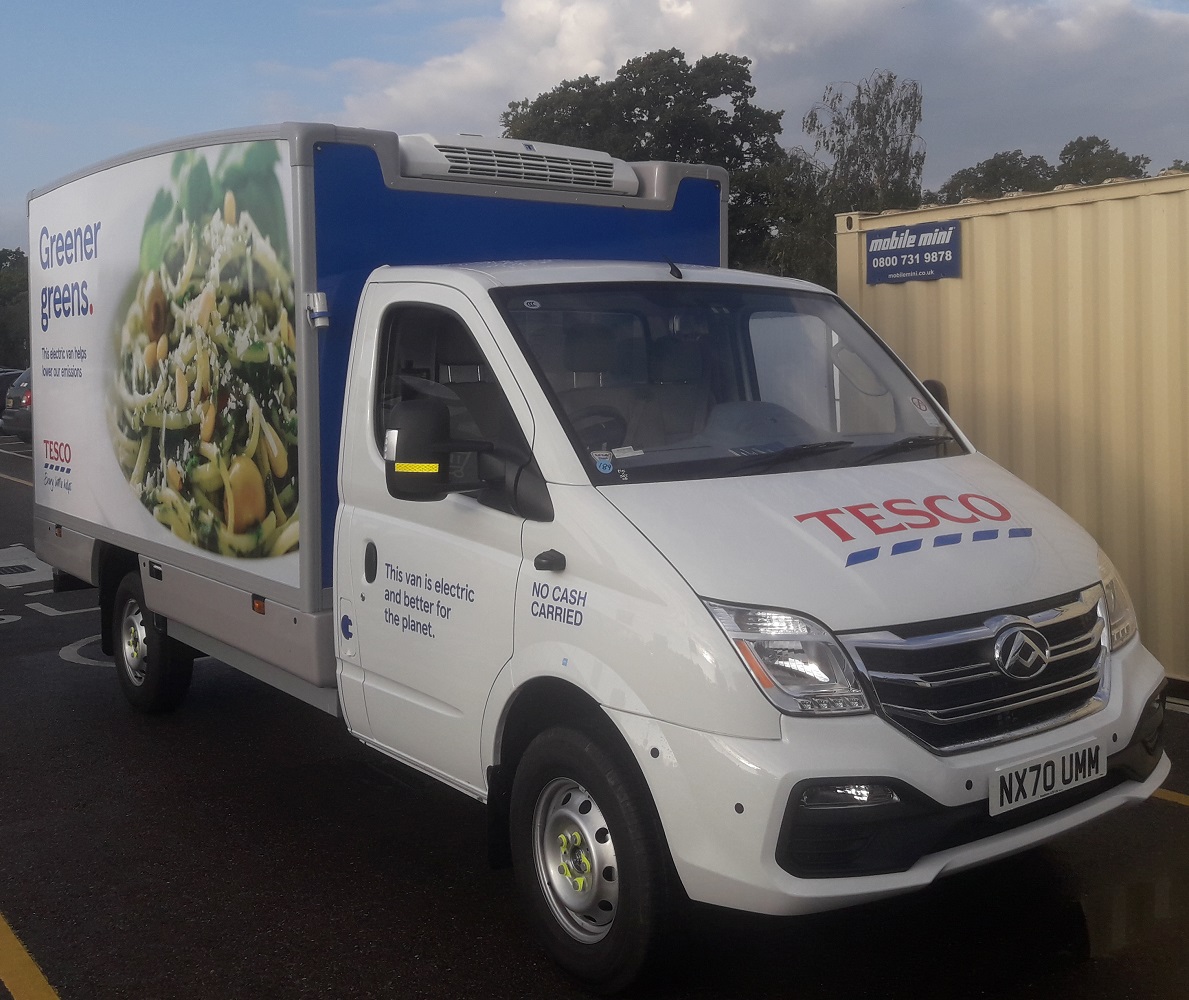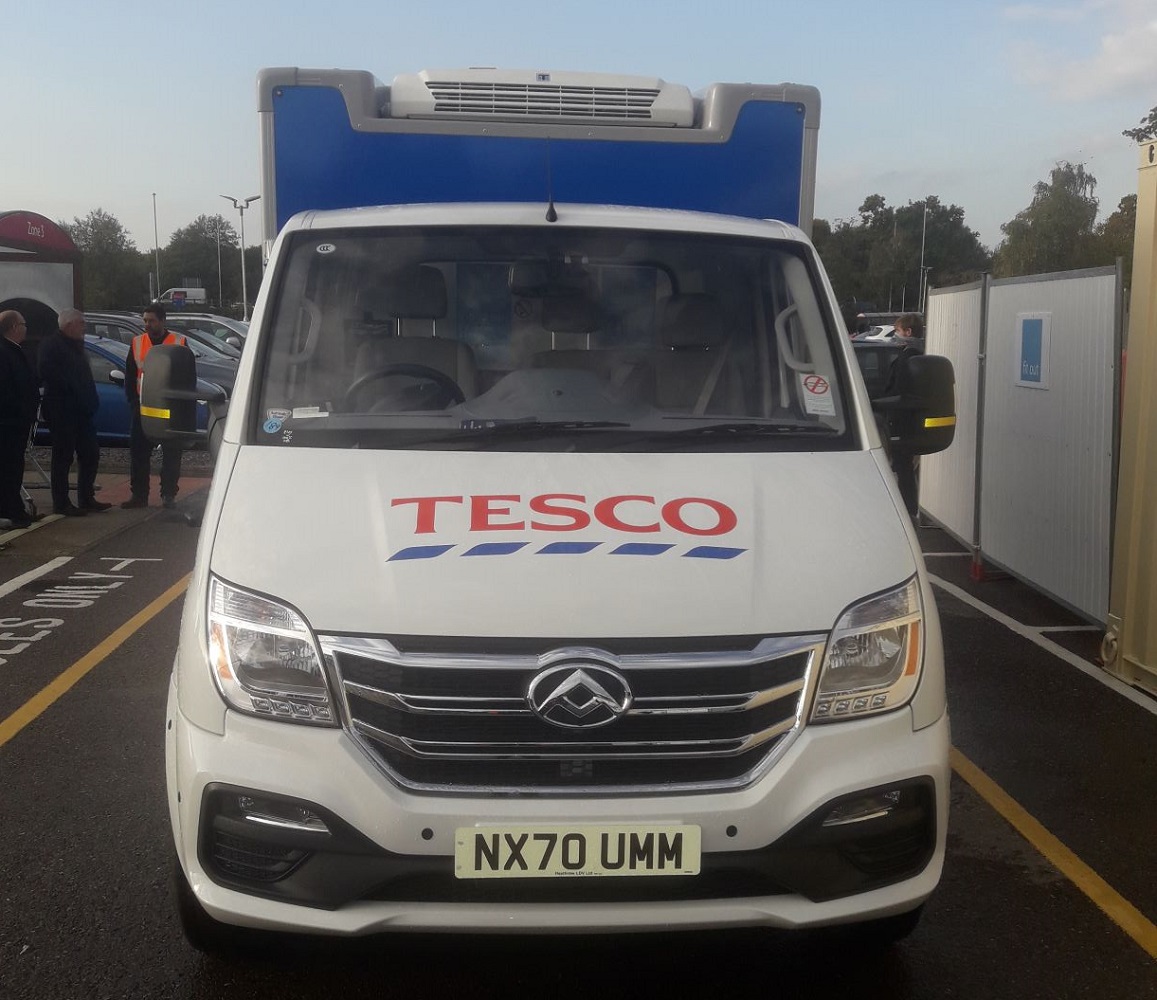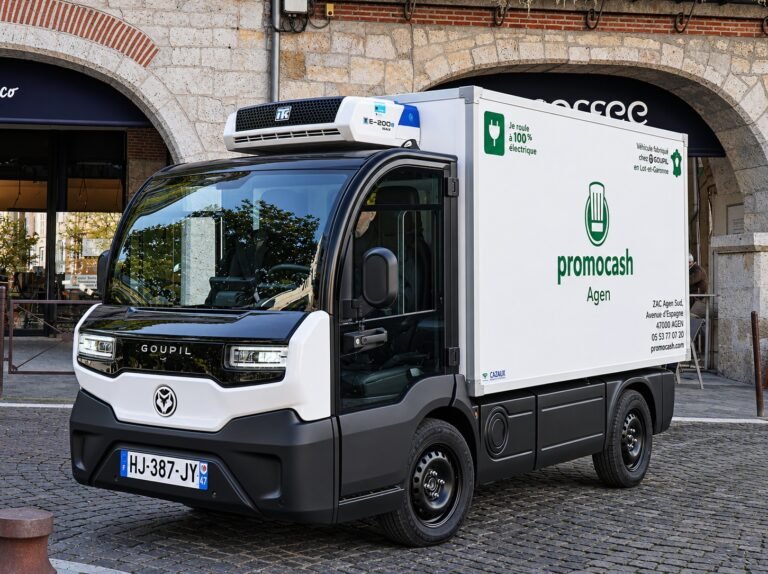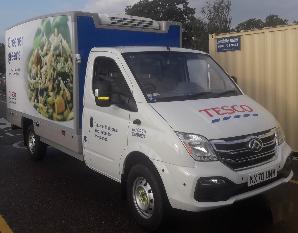
Tesco, the largest retailer in the United Kingdom (U.K.) and one of the world’s leading international retailers, has put in operation, 30 new fully electric refrigerated vans,equipped with E-200 units from Thermo King. The new vehicles create a zero-emission home delivery fleet to move foods and goods in the most sustainable and environmentally friendly way.
The E-200 electric refrigeration units from Thermo King, a leader in transport temperature control solutions and a brand of Trane Technologies, offer multi-temperature performance autonomous from the vehicle, and intelligent power source optimization. The units move beyond traditional, direct drive systems and feature patented power management, which contributes to lower energy consumption, increased vehicle autonomy and higher efficiency and reliability.
The E-200 helps ensure delivery operations remain compliant with a growing array of regional and national regulations. The units comply with PIEK standards and Urban Vehicle Access Requirements (UVARs) for sound levels in urban environments, and enable access to Low Emission Zones (LEZs)/ Ultra Low Emission Zones (ULEZs), with extreme low noise levels to complete nighttime deliveries.
“The E-200 units were designed to bring constant capacity and the intelligent power management needed to exploit the opportunities presented by fully-electric commercial vehicles,” said David O’Gorman, regional sales director at Thermo King. “Our units are ready for the last mile, the distribution centre and everything in between. By fitting Tesco’s new LDV electric vehicles with the E-200 units, we unlocked low noise and low emission zones to any delivery.We’re happy to bepart of this project and working together with Tesco for a sustainable tomorrow.”
The Thermo King E-200, being inverter driven, unlike typical direct drive solutions designed for diesel combustion engines, delivers constant capacity independently from the vehicles’ engine, and can seamlessly work with electric and engine-powered vehicles. By varying the electricity flowing to the refrigeration unit, the inverter can provide more power when needed resulting in a faster temperature pull down during pre-cooling. By carefully controlling the power supply, the inverter provides accurate control of the motor speed and the exact cooling or heating capacity needed to control the temperature.
The Thermo King E-200 aligns with Trane Technologies 2030 sustainability aspirations, and the commitment to reduce customers’ carbon emissions by one gigaton – reduction that could equate to 2% of the world’s annual emissions or the annual emissions of Italy, France and the United Kingdom combined.