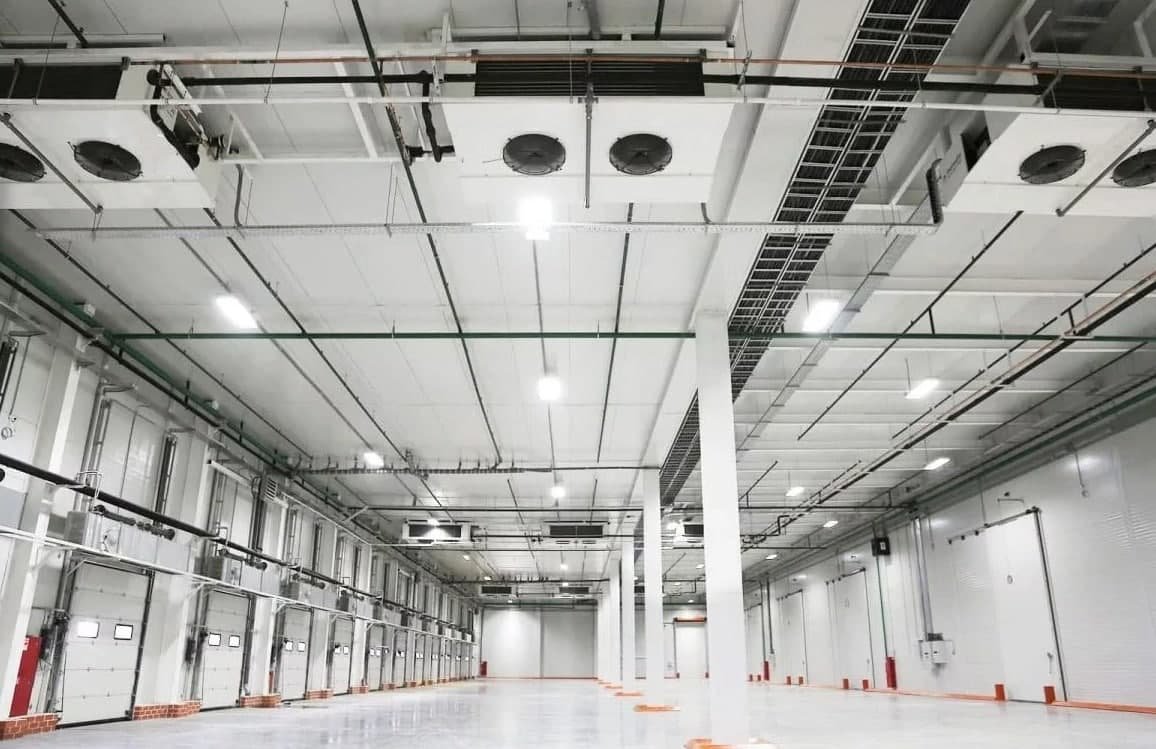
Japan is on the brink of a food crisis due to the rapid aging of many cold storage warehouses. This makes distribution of fresh and frozen food difficult, and the replacement and expansion of these temperature-controlled warehouses is hampered by high construction costs and limited land availability. There is growing concern among logistics operators in Japan over the decline in the number of cold storage warehouses used to store frozen food, agricultural and livestock products.
More than 30% of Japan's domestic warehouses are over 40 years old and cannot be replaced. It is estimated that most parts of Japan will run out of cold storage within 10 years. This shortage could disrupt the distribution of fresh and frozen food products and create an obstacle to a stable supply of imported food products.
As the cold storage industry seeks to increase revenue and secure financing, some small and medium-sized businesses are calling for collaboration between government and industry. The industry as a whole is not investing in cold storage space, and without replacing aging warehouses, small companies are likely to go out of business. This potential shortage is concerning because cold storage is vital to food infrastructure.
According to the Japan Cold Warehouse Association, 34% of warehouses in Japan are over 40 years old. In Tokyo, where replacement land is scarce, the figure is even higher at 46%. If 30% of SME cold storage warehouses over 40 years old were closed by 2032, demand for such warehouses would exceed supply in 36 of Japan's 47 prefectures.
Cold storage plays a critical role in the logistics of agricultural and livestock products, seafood, dairy products, frozen foods and more. A shortage of this capacity could lead to stagnation in commodity flows, including semiconductors and pharmaceuticals.
Japan's heavy dependence on food imports from abroad will also be at risk if there is a shortage of storage space. A lack of cold storage could force Japan to cut imports, threatening stable food supplies.
Source: Nikkei Asia