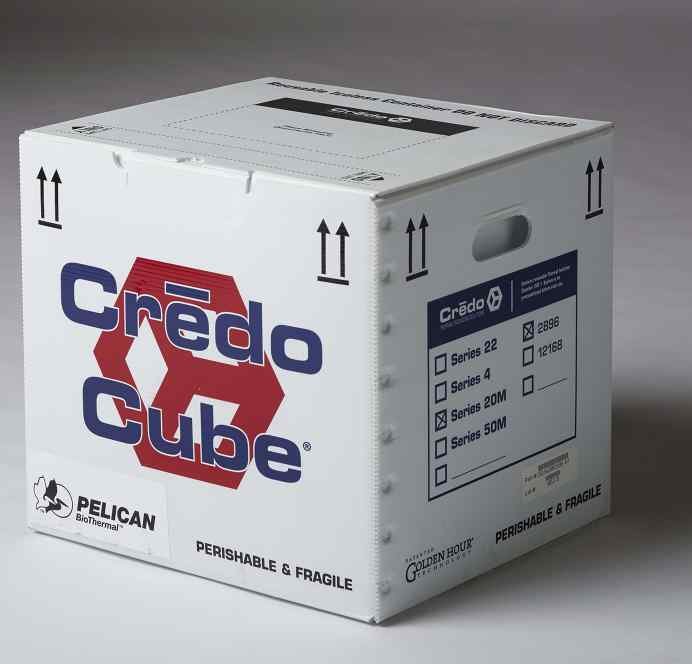
Pelican BioThermal is testing the durability of reusable parcel thermal packaging systems based on average repeated use. At 2019 ISTA Forum, Bill Mayer, director of research and development at Pelican BioThermal, presented the company’s ongoing approach to developing a mechanical test method for reusable passive thermal packaging systems, as one currently doesn’t exist that takes into account the real-world use environment of reusable thermal packaging.Furthermore, the test method also allows for the impact of dynamic use on the thermal performance of the temperature controlled packaging to be assessed.
“Developing a test method and standard for reusable parcel thermal packaging would be groundbreaking,” said Greg Wheatley, Pelican BioThermal vice president of worldwide product development and engineering. “It would give the life sciences industry even more confidence in choosing reusable thermal packaging to reduce costs and advance environmental initiatives.
The demand for reusable thermal packaging systems is increasing, which has led to questions around how many uses can a particular thermal package physically endure. Development of a mechanical test method that also allows for thermal evaluation would pave the way for innovation solutions that protect the quality of temperature sensitive life sciences products during transport.
The scope of Pelican BioThermal’s developmental study is contained to reusable parcel thermal packaging systems weighing 150 lbs. or less and are designed to be used within the parcel delivery system. The first two phases of the project are complete, and the third phase is currently underway.
“Current standards assess parcel thermal packaging systems during one intense shipment from point A to point B,” said Mayer. “Throughout the development of this new test method, we addressed the challenges of exposing systems to the multi-leg and multi-mode shipping route and more of an average trip with parcel thermal packaging used multiple times.