Esta página solo está disponible en inglés. Ir a la portada en español

×

Diese Seite ist nur auf Englisch verfügbar. Zur deutschen Startseite

×

Cette page est disponible uniquement en anglais. Aller à la page d'accueil en français

×

Thermo King to present new E-Series in Italy

The all-electric units offer lower energy use, greater heating capacity and integrated telematics for urban refrigerated fleets.

Thermo King to present new E-Series in Italy

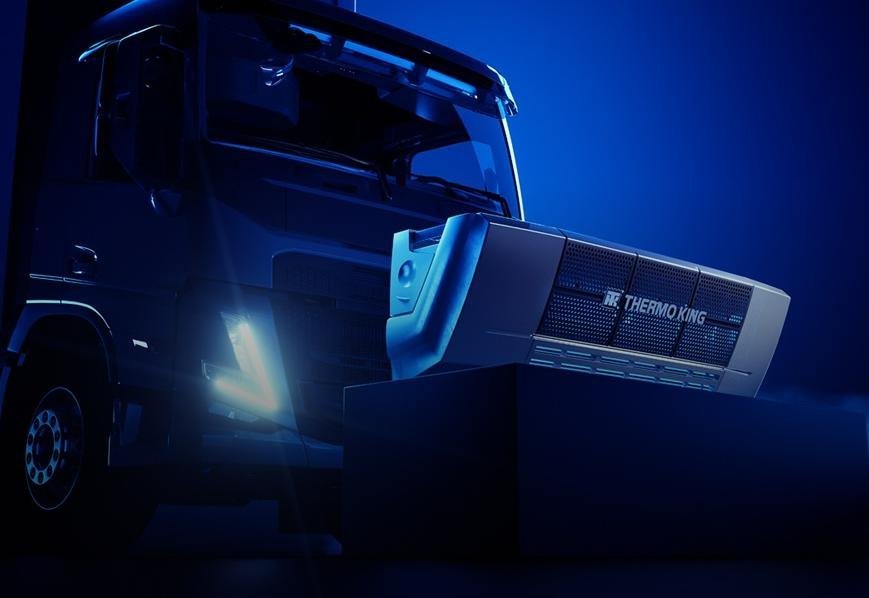
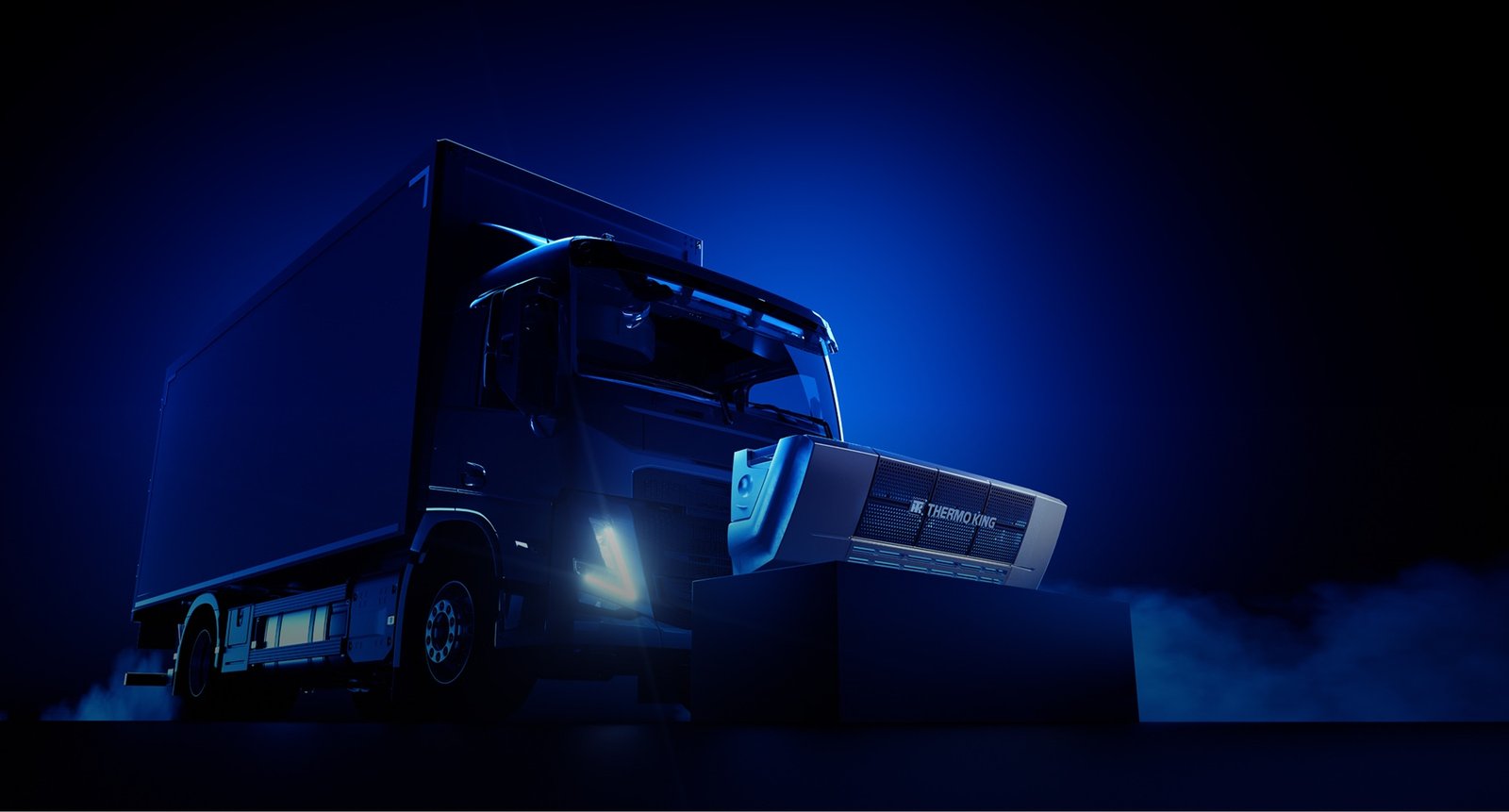
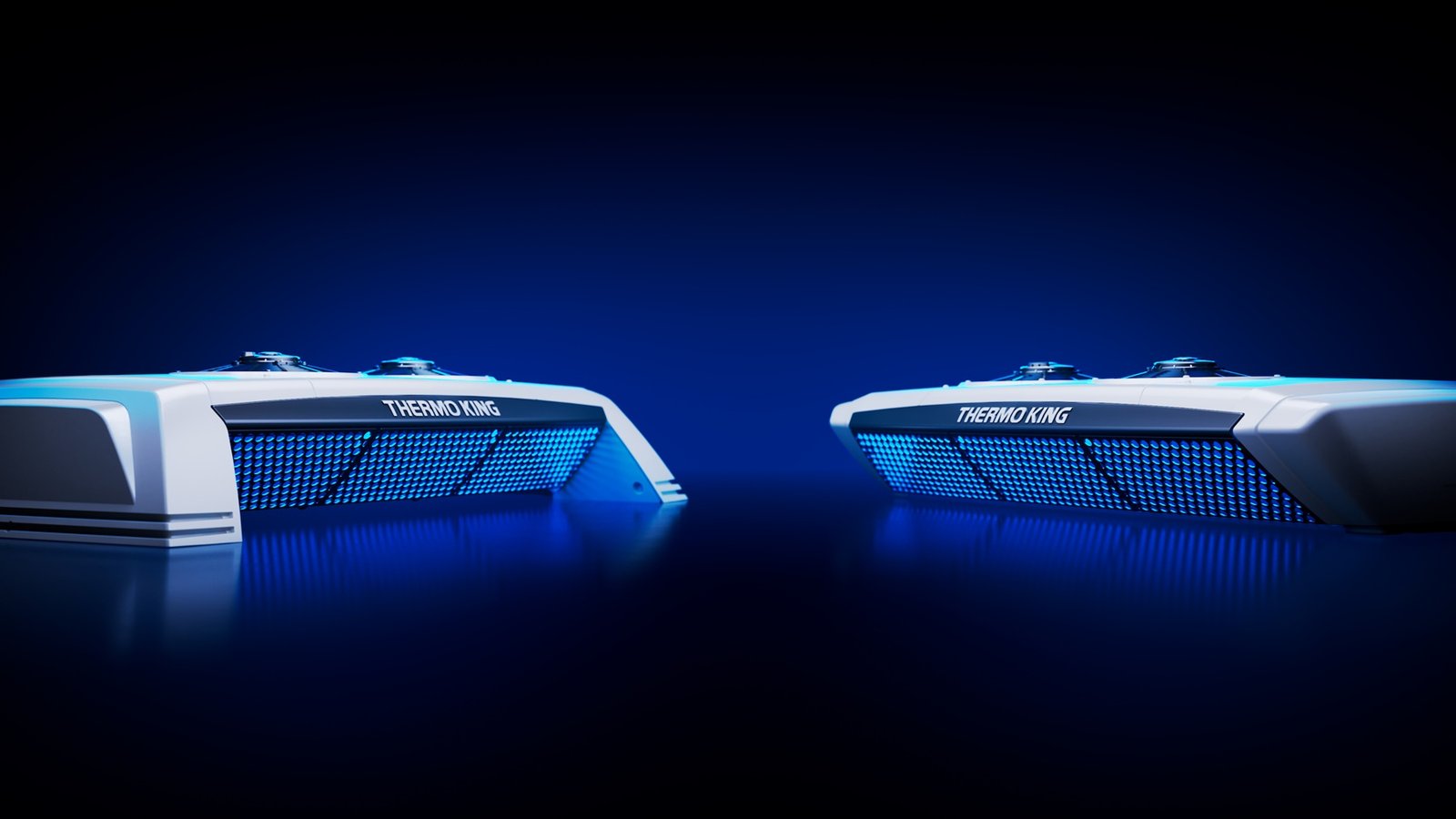
Thermo King will present its new all-electric E-Series refrigeration units at the Transpotec Logitec fair in Milan, Italy, from 13-16 May 2026. The E-100e, E-200e and E-200e Spectrum models are designed for vans and light commercial vehicles used in urban and inner-city refrigerated delivery.

The new E-Series single- and multi-temperature units deliver up to 20% lower energy consumption, up to 50% more heating capacity and are up to 32% lighter than previous generations. Thermo King says smart controls optimise energy use and minimise impact on a battery electric vehicle’s driving range.

The units provide constant cooling capacity, rapid pulldown and fast temperature recovery independent of vehicle engine speed. Holdover capability maintains temperature control when the vehicle is stationary.

Thermo King will also show its E-Volution all-electric unit for rigid trucks between 7.5 and 26 tonnes. The unit is validated for battery electric vehicles and internal combustion engine trucks, and an independent Life Cycle Assessment has verified up to a 45% reduction in CO2 emissions compared with diesel units.

Both E-Series and E-Volution include integrated telematics for real-time performance data, temperature logging, alarms and remote adjustments. Thermo King will also present a fully integrated electric trailer unit concept using power sources including AxlePower-regenerated energy, tractor batteries, rooftop solar, depot charging and auxiliary battery packs.

“Electrification offers not only environmental benefits but real operational and cost stability,” said Marco Tosi, Area Sales Manager Thermo King Italy. “Reducing fuel consumption, not refrigerants, remains the industry’s most powerful lever for lowering both operating costs and CO2 emissions.”
Get the daily refrigeration briefing

One email a day. Trusted by 3,000+ RACHP professionals.

More on Cold Chain

All on Cold Chain →

Insights

Secop's Solar Direct Drive (SDD) System Earns WHO PQS Approval – The Team Behind It
Article

Secop’s Solar Direct Drive (SDD) System Earns WHO PQS Approval – The Team Behind It

Partner's material In March 2026, Secop’s Solar Direct Drive Power Management Module was granted WHO PQS prequalification and officially listed in the WHO Catalogue of Prequalified Immunization Devices. The WHO IMD-PQS (Immunization Devices Performance, Quality and Safety programme) is the global benchmark for cold chain equipment used in immunisation. Being listed in its catalogue is

22 Jun 2026
Case Study - Effect of Louvers or diffusers on air flow distribution and cooling time on a meat log during Chill cycle
Tech Guide

Case Study – Effect of Louvers or diffusers on air flow distribution and cooling time on a meat log during Chill cycle

By Kushal Aurangabadkar An experimental analysis was conducted on a cooler space measuring 3.66 m × 6.096 m (12.0 ft × 20.0 ft), equipped with an ammonia refrigeration coil, five 30 cm (12 in.) fans, and five diffusers. The study measured airflow patterns, cooling rates, and heat transfer efficiency in meat storage by testing two configurations:

Kushal Aurangabadkar · 21 Jan 2026
Total Cost of Ownership (TCO) for Modular Refrigeration Systems in Life Sciences Distribution Centers
Tech Guide

Total Cost of Ownership (TCO) for Modular Refrigeration Systems in Life Sciences Distribution Centers

by Ramez Naguib, P.E. Introduction Life sciences distribution centers are under immense pressure to deliver consistent temperature control, comply with increasingly stringent regulations, and optimize operational efficiency. Traditional built-up refrigeration systems often prove cumbersome, costly, and slow to implement. In contrast, modular, factory-assembled refrigeration systems have emerged as a compelling alternative. Drawing on lessons from

14 Jan 2026
Everything on Cold Chain: 2,036 articles, 1 case study, 23 insights

Most read this month

All news →