The 31st United Nations Climate Change Conference (COP31) in Türkiye has brought renewed attention to sustainable cooling, refrigerant emissions and energy efficiency. Discussions focused on implementing the Kigali Amendment, expanding access to climate-friendly cooling technologies and strengthening international cooperation on heat resilience.
Under the Kigali Amendment to the Montreal Protocol, the phase-down of hydrofluorocarbons (HFCs) could prevent up to 0.5°C of additional global warming by the end of the century. Energy efficiency improvements could potentially double this effect. Parties reaffirmed their commitment to the amendment during its 10th anniversary at the 38th Meeting of the Parties to the Montreal Protocol in Kigali.
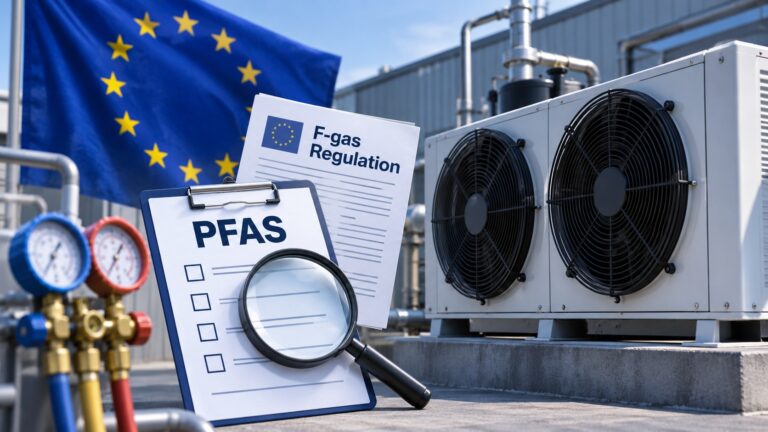
With global cooling equipment stocks potentially more than tripling by 2050, GIZ Proklima highlighted the need to combine natural refrigerants, energy efficiency and passive cooling. The organisation also raised concerns about transition costs associated with interim technologies and potential health risks linked to PFAS chemicals.
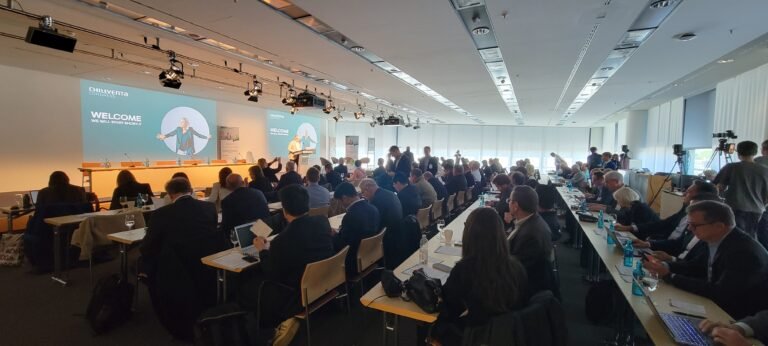
At the COP31 event “Accelerating Industry Action for Sustainable Cooling,” organised by the UNEP Cool Coalition and CLASP, GIZ Proklima representative Stefan Mager participated in discussions on cooperation between manufacturers, governments and partners. Participants emphasised the importance of aligning industry commitments with supportive policies and market incentives to expand access to efficient, climate-friendly cooling technologies.
The Third Annual Cooling Ministerial brought together representatives from more than 40 countries. Convened by Singapore, the UNEP Cool Coalition, Brazil and the United Arab Emirates, and hosted by Türkiye’s COP31 Presidency, the meeting addressed international cooperation on heat resilience and sustainable cooling.
Through the Antalya Communiqué, governments welcomed a proposal to develop the Global Heat Resilience and Sustainable Cooling Roadmap. The voluntary, country-led framework will be open to all countries, regardless of their participation in the Global Cooling Pledge. It is scheduled for development and testing throughout 2027, with the first edition to be presented at COP32 in Addis Ababa.