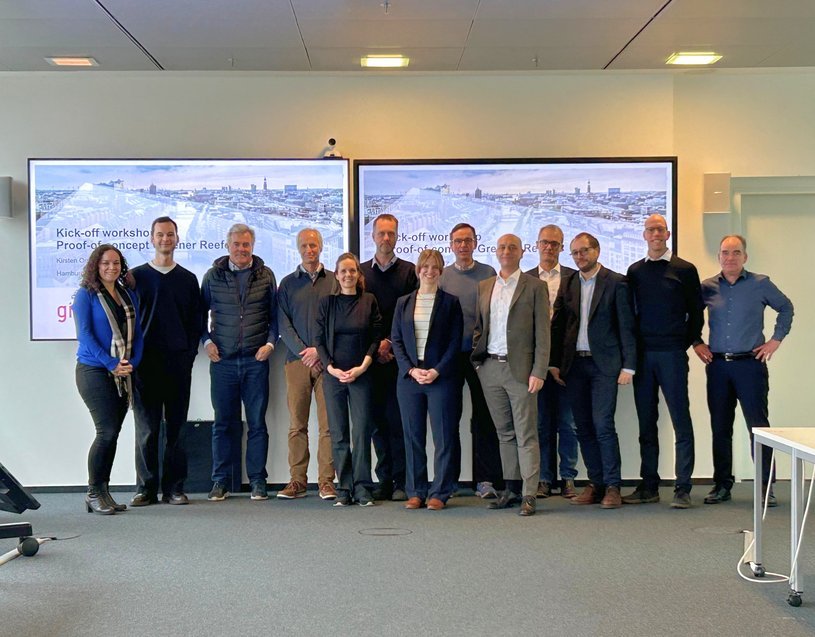
The second “Greener Reefers” Workshop in Hamburg brought together key players from the refrigerated shipping sector, reaffirming the industry’s commitment to sustainable solutions. Attended by representatives from Wageningen Food & Biobased Research, Thermo King, Dole Europe GmbH, Carrier Transicold, Greensee, and Universitat Politècnica de València, the event focused on fostering collaboration to reduce the environmental impact of refrigerated containers.
Progress on R290 Prototype Development
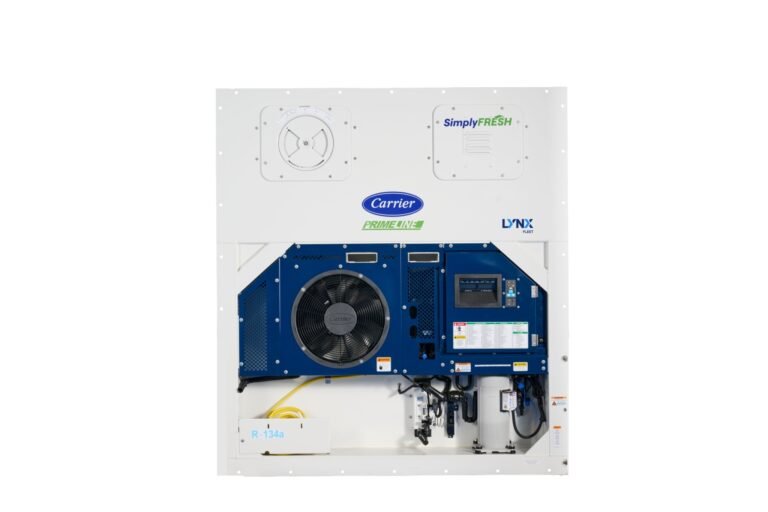
A key focus of the workshop was the development of an R290-based refrigeration prototype—a climate-friendly alternative to traditional systems. Thermo King and Universitat Politècnica de València provided updates on their ongoing work, highlighting advancements in energy efficiency and the potential of using alternative refrigerants. These efforts aim to meet both environmental and operational needs for the refrigerated shipping industry.
In addition to technical updates, participants emphasized the importance of cooperation. Agreements were made to accelerate the adoption of greener technologies, strengthening the Greener Reefers Transition Alliance’s mission. The alliance, led by the Kuehne Climate Center and Deutsche Gesellschaft für Internationale Zusammenarbeit (GIZ), promotes sustainable practices in refrigerated shipping to reduce the industry’s carbon footprint.
Exclusive Site Visit at Hamburg Port
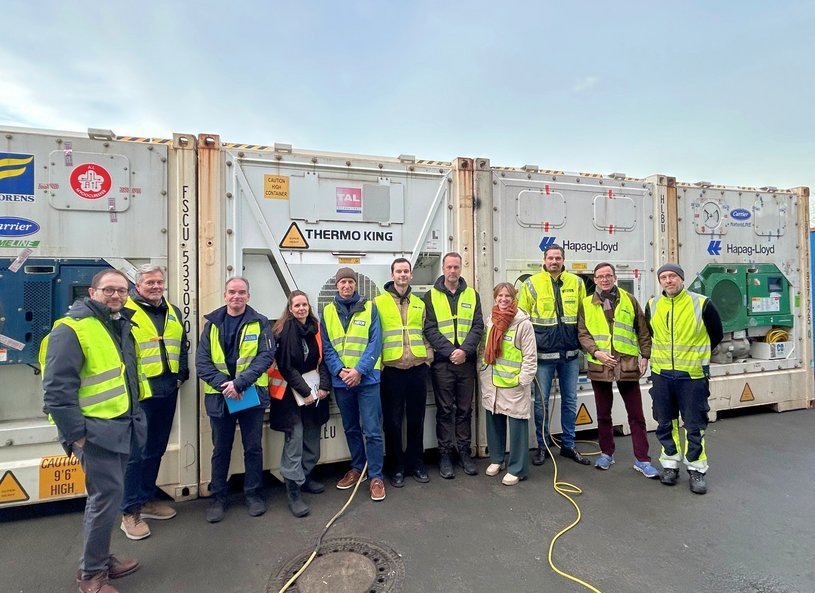
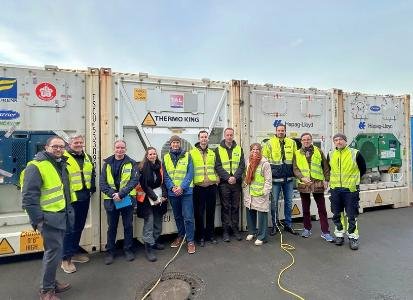
A visit to Hamburg Port, hosted by HHLA Hamburger Hafen und Logistik AG, was a highlight of the event. Participants, guided by Otto Schacht, Jens Gutsch, and Kristian Peters, had a unique opportunity to inspect four refrigerated containers under maintenance. This hands-on experience offered practical insights into operational challenges and the steps needed to enhance sustainability in the field.
Building a Climate-Friendly Reefer Industry
The workshop, hosted by the Kuehne Climate Center and GIZ, served as a platform for industry leaders, sustainability advocates, and technical experts to address key challenges in reducing the environmental impact of refrigerated shipping. Discussions covered energy-efficient technologies, regulatory requirements, and the use of alternative refrigerants.
The Greener Reefers project continues to push for collaborative solutions that support a more sustainable and cost-effective future for the reefer industry. With the ongoing efforts of the Greener Reefers Transition Alliance and its partners, the industry is well-positioned to meet the growing demand for environmentally friendly shipping solutions.
Source