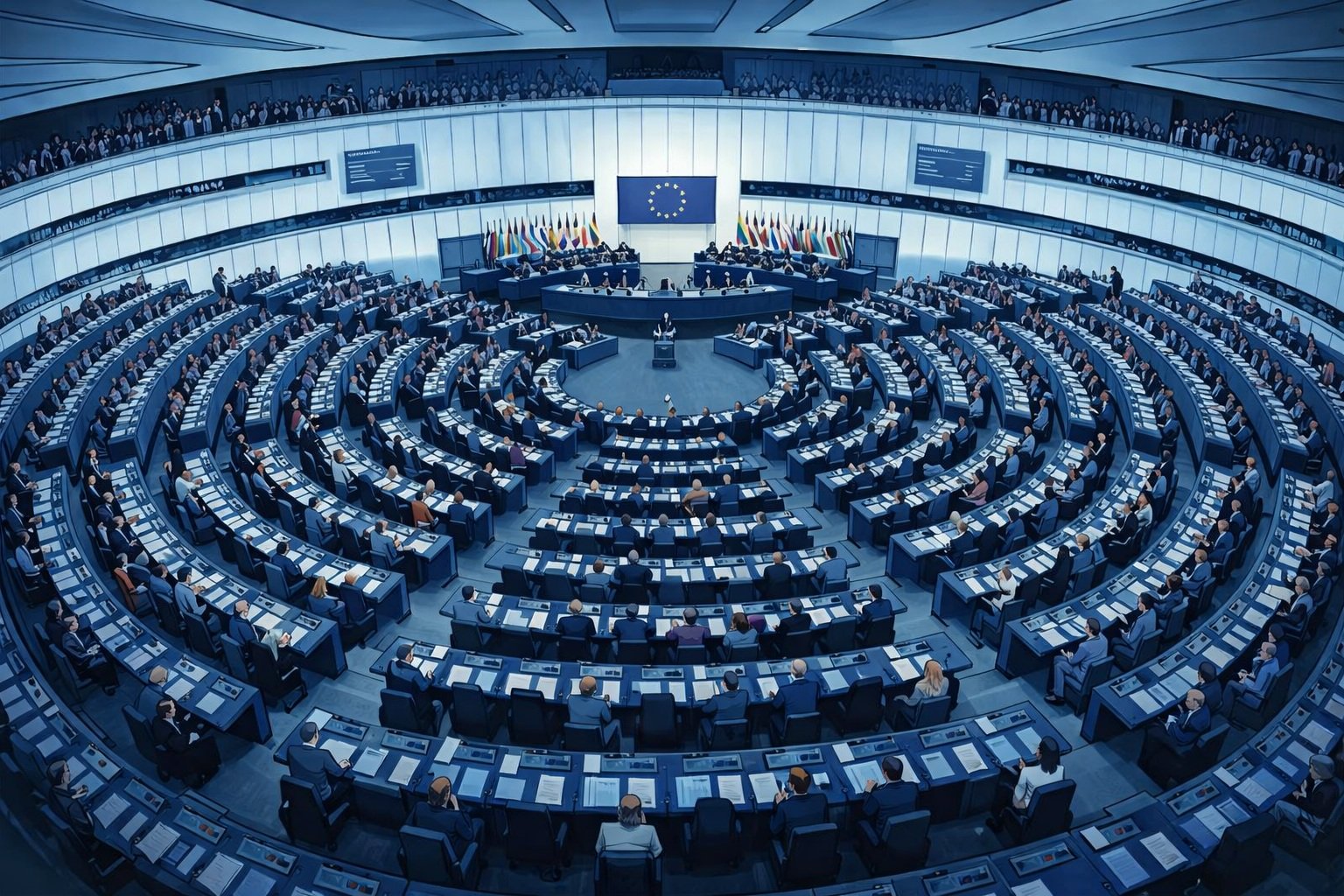
On February 1, 2026, the European Parliament proposed a binding target to reduce net greenhouse gas emissions by 90% by 2040 compared to 1990 levels. The amendments to Regulation (EU) 2021/1119 were submitted by the Committee on the Environment, Climate and Food Safety and build on the EU’s climate neutrality objective for 2050.
The proposal outlines key measures that directly impact the HVACR sector, including a strong focus on energy efficiency, renewable energy, and the deployment of carbon capture and storage (CCS) technologies. It also supports the integration of permanent carbon removals—such as bioenergy with carbon capture (BioCCS) and direct air capture (DACCS)—into the EU Emissions Trading System (EU ETS) to address residual emissions.
Energy systems decarbonisation is to be achieved through a technologically neutral approach, explicitly referencing low- and zero-carbon solutions including geothermal, hydroenergy, sustainable bioenergy, and advanced energy storage. Strengthening electricity grids and interconnections is also a priority, aiming to support a more integrated and resilient Energy Union before 2030.
The proposal reinforces the “energy efficiency first” principle and sets the stage for legislative changes to accelerate building decarbonisation and sectoral integration, with direct implications for HVAC technologies and building services.
In a joint roadmap announced under the Clean Industrial Deal, the EU aims to accelerate the deployment and commercialisation of clean technologies and modernise energy systems, supporting demand for low-carbon solutions across the built environment.
By postponing emissions trading for buildings and transport to 2028, the regulation allows more time to prepare these sectors for carbon pricing mechanisms, which could influence future investment in HVACR systems and retrofits.
The Commission is tasked with reviewing progress every two years, and may propose additional legislative actions based on technological developments and evolving emission trends.