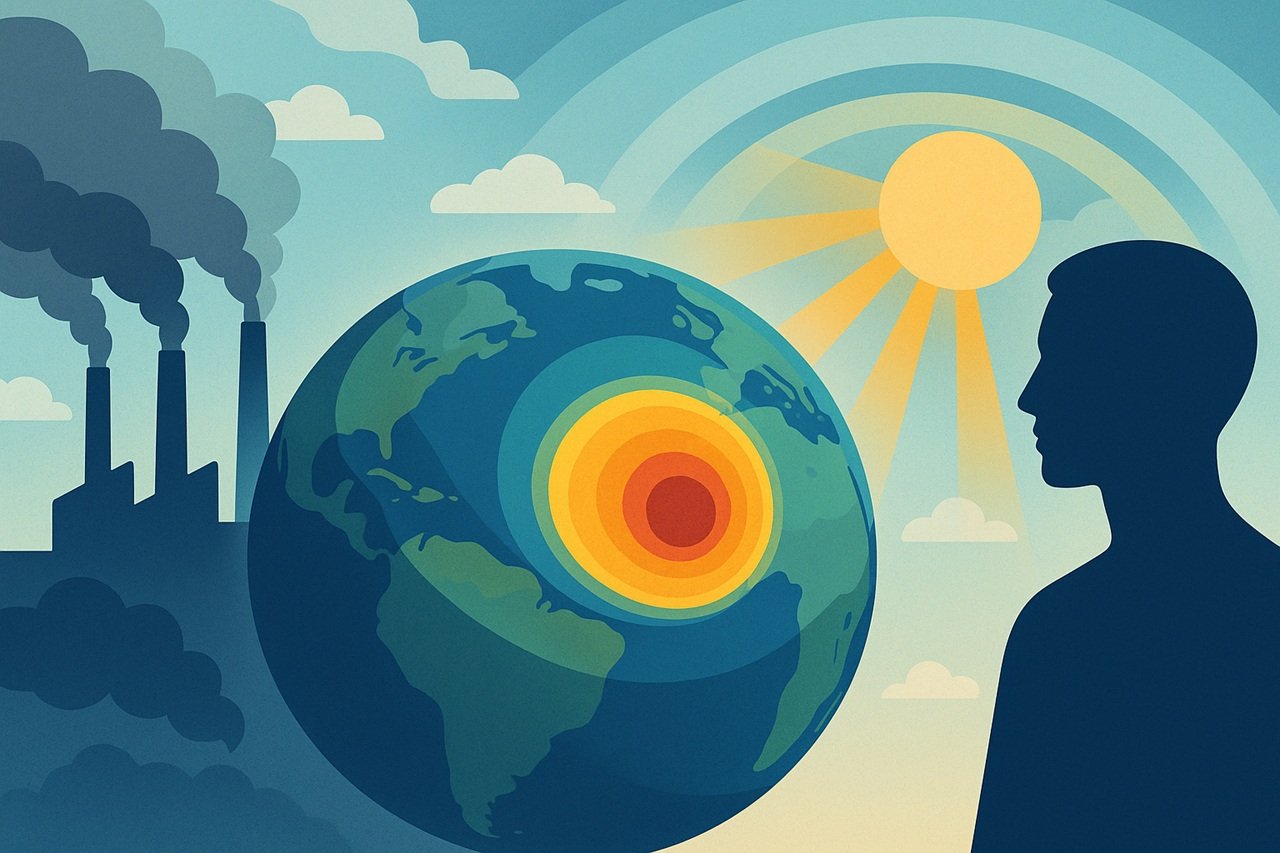
On 16 September, the International Day for the Preservation of the Ozone Layer is observed, established by the UN General Assembly in 1994 to commemorate the signing of the Montreal Protocol on Substances that Deplete the Ozone Layer in 1987. In 2025, the theme is “From Science to Global Action.”
Forty years ago, the international community adopted the Vienna Convention for the Protection of the Ozone Layer, followed by the Montreal Protocol. These agreements laid the foundation for the gradual phase-out of chlorofluorocarbons (CFCs) and other ozone-depleting substances. As a result, the ozone layer has begun to recover, and the treaties themselves have become a model of successful international cooperation.
Today, the Vienna Convention and the Montreal Protocol, strengthened by the Kigali Amendment, continue to play a key role in monitoring ozone-depleting substances, as well as hydrofluorocarbons (HFCs) — greenhouse gases widely used in refrigeration and air conditioning technologies.
“Forty years ago, nations came together to take the first step in protecting the ozone layer — guided by science and united in action. Today, the ozone layer is healing. This achievement reminds us that when nations heed the warnings of science, progress is possible,” said UN Secretary-General António Guterres in his message.
He emphasized the urgent need for full ratification and implementation of the Kigali Amendment to the Protocol, which calls for the phasedown of HFCs. According to him, this measure could prevent up to 0.5°C of warming by the end of the century, and combined with energy-efficient cooling, could double that impact. “Every fraction of a degree matters. Every action counts,” Guterres noted, urging countries to reaffirm their commitment to preserving the ozone layer and protecting the planet for future generations.