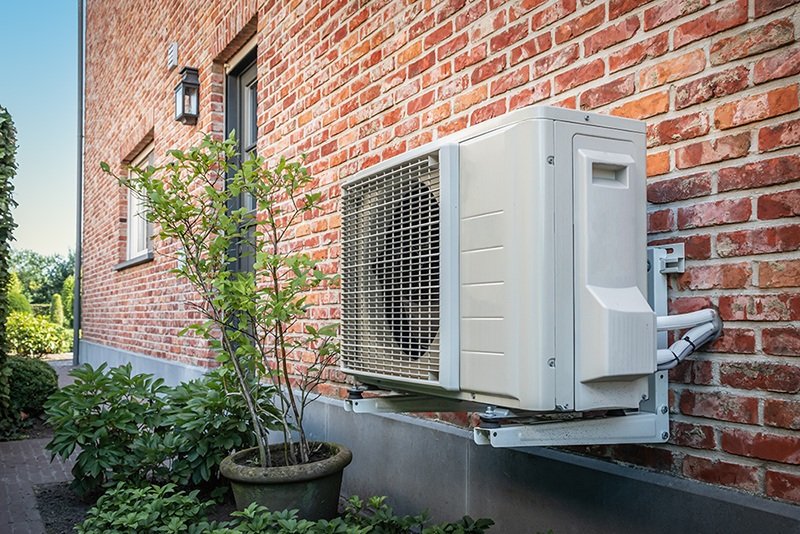
The transition to low-global warming potential (GWP) heat pumps is a critical step toward decarbonizing heating and cooling systems. Heat pumps are significantly more efficient than conventional heating technologies, with efficiencies three to four times higher than electric resistance heaters and far exceeding the 85-99% efficiency range of gas heating systems.
Heat Pump Adoption in Europe
In the European Union (EU), over 24 million heat pumps are currently in use, with more than 3 million units sold in 2023, according to the European Heat Pump Association. The EU’s REPowerEU plan aims to accelerate deployment, targeting 60 million installed heat pumps by 2030. In the United Kingdom (UK), the government has set a goal to install 600,000 heat pumps annually by 2028.
Beyond efficiency gains, heat pumps contribute to energy security, power system flexibility, and job creation. However, concerns remain regarding the refrigerants used in most heat pumps today.
Addressing the Impact of HFC Refrigerants
Heat pumps rely on refrigerants to transfer heat, with hydrofluorocarbons (HFCs) such as R-32 and R-410A being the most common. These ‘F-gases’ have high GWPs - 675 for R-32 and 2088 for R-410A - making them far more potent greenhouse gases than carbon dioxide (CO₂). Additionally, some refrigerants, including R-410A, contain per- and polyfluoroalkyl substances (PFAS), which persist in the environment and pose health risks.
Transitioning to Low-GWP Refrigerants
More sustainable alternatives to HFCs are gaining traction, particularly natural refrigerants such as:
- R-290 (propane, GWP 3)
- R-717 (ammonia, GWP 0)
- R-744 (CO₂, GWP 1)
- R-600a (isobutane, GWP 3)
While these refrigerants are not yet widely used in Europe, manufacturers are increasingly integrating them into their product lines. Heat pumps using natural refrigerants can also operate at high temperatures, making them a viable replacement for traditional boilers without significant modifications to existing heating systems.
Regulatory Developments and Market Implications
The EU has taken a decisive step with the recent approval of the F-gas Regulation (EU) 2024/573, which sets ambitious timelines for reducing HFC use. As demand for natural refrigerant heat pumps rises, manufacturers are expected to innovate, strengthening the EU’s position in the green technology sector. However, the UK has yet to align its regulations with the EU, raising concerns that it could become a market for high-GWP products phased out elsewhere.
The Need for Immediate Action
Heat pumps typically have a lifespan of 10-15 years, meaning newly installed HFC-based systems could continue emitting high-GWP gases for over a decade. Without stricter regulations, the opportunity to transition to more sustainable refrigerants could be delayed, further entrenching F-gas-dependent systems.
Policy Recommendations
To accelerate the shift toward low-GWP heat pumps, several policy measures are recommended:
- Expanding incentives: National and local governments should enhance financial incentives for low-GWP systems, as seen in Germany, where an additional 5% subsidy is offered for natural refrigerant heat pumps on top of the 25% base subsidy.
- Raising public awareness: Consumers should be better informed about the safety, efficiency, and benefits of low-GWP heat pumps.
- Updating F-gas regulations: The UK should align its policies with the EU to phase out harmful HFC refrigerants.
- Enhancing energy labeling: Heat pump labels should include refrigerant information, enabling consumers to make informed choices.
CLASP’s Role in Supporting Market Transition
CLASP is actively researching and engaging with stakeholders in the EU and UK to advance the adoption of natural refrigerant heat pumps. By identifying barriers and developing policy interventions, the organization aims to accelerate the transition to climate-friendly heating and cooling solutions.
With the right policies and incentives, the widespread adoption of low-GWP heat pumps could play a significant role in reducing carbon emissions and advancing global climate goals.
Source