The European Commission has confirmed that occupational safety and health directives fully apply to technicians working with natural refrigerants and are not replaced by F-gas certification under the new EU fluorinated gas regulation.
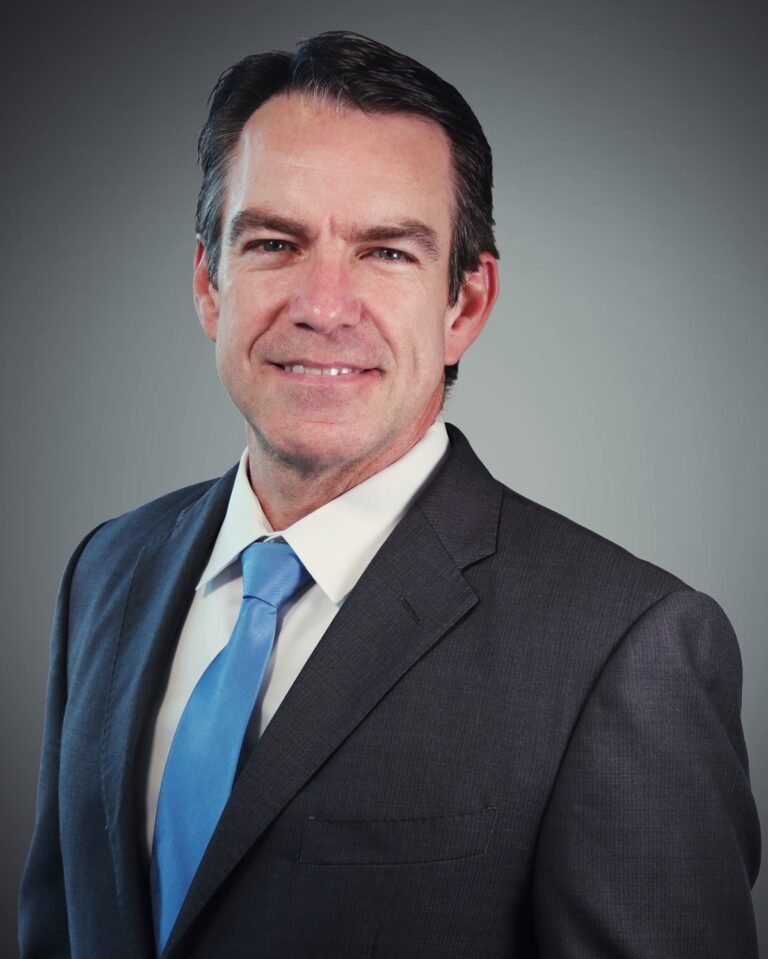
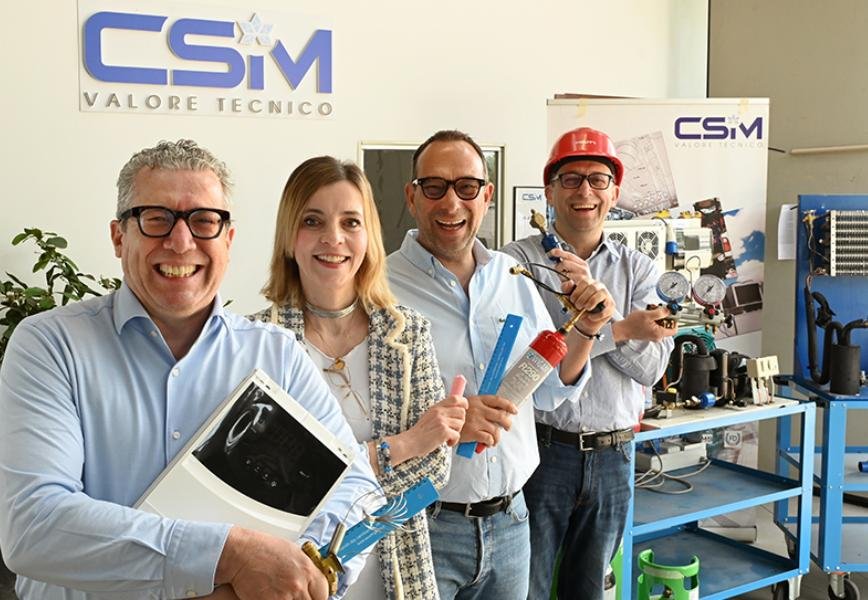
The ruling follows a petition filed by Italian training and consultancy firm CSIM SRL, submitted by founder Marco Masini on behalf of the company. The European Parliament’s PETI Committee published the Commission’s response on March 17, 2026, addressing petition no. 1162/2025, which was declared admissible in November 2025. The full document is available at https://www.europarl.europa.eu/doceo/document/PETI-CM-785362_EN.pdf
CSIM’s petition raised a specific regulatory concern: that technicians holding F-gas certification under Regulation (EU) 2024/573 might be regarded as qualified to work with propane (R290), CO2 (R744), and ammonia (R717) without separately meeting the obligations of EU occupational safety and health law. The OSH framework — including Framework Directive 89/391/EEC, the Chemical Agents Directive 98/24/EC, and the Carcinogens and Mutagens Directive 2004/37/EC — imposes independent employer obligations covering risk assessment, worker training, health surveillance, and personal protective equipment provision.
In its February 20, 2026 response, the Commission stated that F-gas certification and OSH directives operate on distinct and complementary levels. The minimum certification requirements introduced for handling natural refrigerants address the specific hazards of flammability, pressure, and toxicity, but do not remove or modify the obligations established under workplace safety law. Employers remain required to assess all risks present in the workplace and provide appropriate training regardless of any environmental certification held.
For CSIM, the Commission’s position establishes that a technician certified for F-gas handling of ammonia must still hold a toxic gas licence under Italian national law and that the employing company must carry out a specific chemical and ATEX risk assessment for that substance.
The petition was developed within the framework of the LIFE SKILLSAFE project, in which CSIM participates alongside the European Heat Pump Association, Daikin Europe, and Dutch installers association NVKL. The project is building a European competence framework for the safe maintenance of heat pump and refrigeration systems using natural refrigerants. CSIM has contributed technical papers on R290 system hermeticity qualification, ATEX zone quantification during maintenance, and integration of EN IEC 60335-2-40 with post-service verification requirements.
“The safety of people requires an integrated approach, prioritizing specific training on the risks of flammability, toxicity, and high pressure,” said Marco Masini, founder of CSIM.