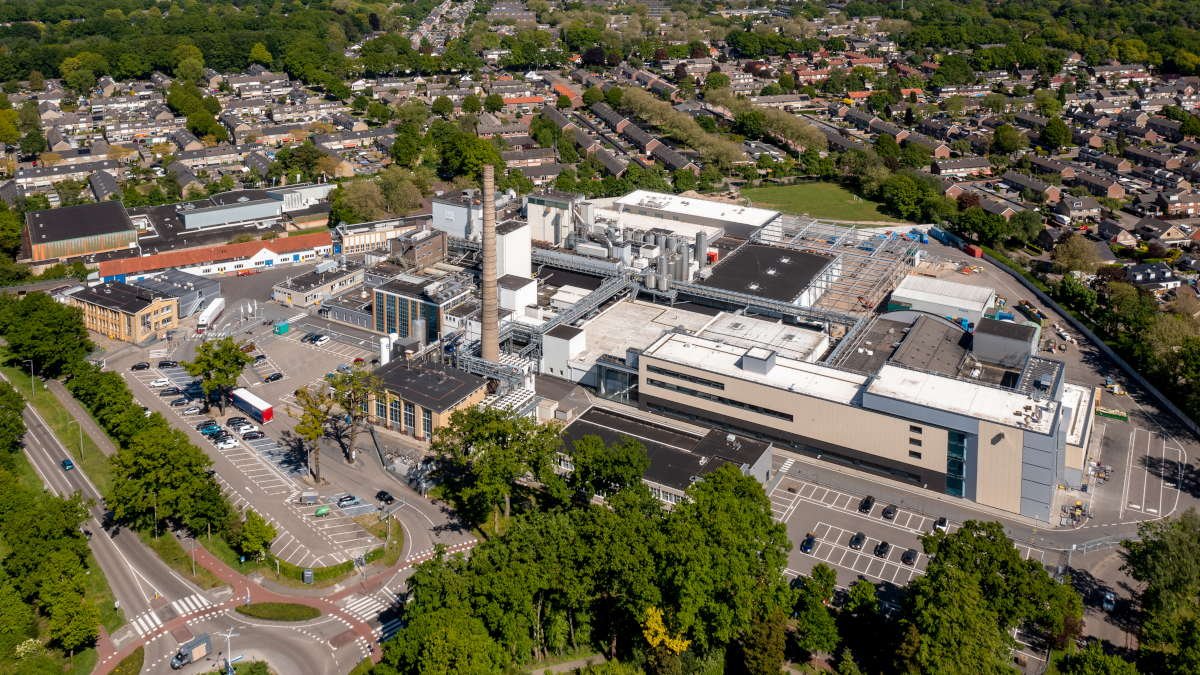
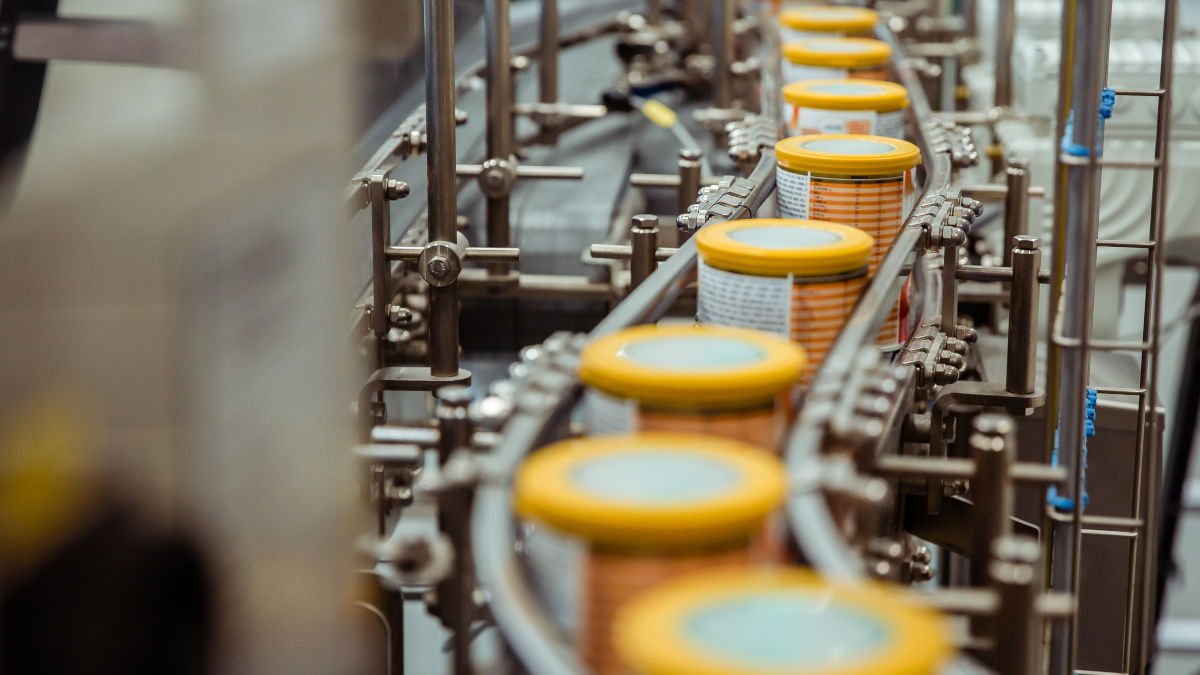
At Nestlé’s plant in Nunspeet, the Netherlands, GEA is to equip a milk powder line for hypoallergenic infant formula with the latest process and heat pump technology. Using an innovative heat recovery from the spray dryer and further processes, the plant will use 75 percent less energy for steam and massively reduce carbon emissions. In this way, GEA is supporting Nestlé on its path to net zero by making the energy supply to Nestlé production facilities emission-free by 2050.
In response to increased demand for its Althera and Alfare infant formula brands, Nestlé is currently doubling production capacity at the Nunspeet plant with an additional processing line. For the first time, Nestlé will be using a GEA heat recovery system that is fed by exhaust air from the spray drying plant and, in turn, provides 80°C hot water for its operation. As part of the project, GEA will also equip the complete wet processing technology, which supplies the Nestlé spray drying line with the prepared milk. Installation of the process technology and heat supply system is planned for this year. The plant will go into operation in 2025.
Recovering waste heat from spray dryer to reduce energy consumption
Nestlé’s aim with the investment project is not only to increase capacity, but also to advance its sustainability agenda by reducing carbon emissions, dust emissions and water demand. Exploiting renewable heat energy is a focus of the company’s climate strategy.
“The new plant in Nunspeet will also serve as a Group-wide demonstrator for future-oriented solutions to minimize energy consumption and greenhouse gas emissions in milk powder production. We are already familiar with heat pumps in various production processes. But using them with spray dryers, the most energy-intensive part of the process, is something new for us. The GEA system enables us to reduce the plant’s steam consumption by 75%,” explains Gerben Koopmans, Engineering Manager at Nestlé. For these reasons, the project is executed with subsidy of the Ministry of Economic Affairs and Climate.
Integrating process and heating/cooling technology
“Our integrated solutions combining process technology with heating and cooling technology set a new benchmark in milk powder production, because fusing the two disciplines in production planning and design implementation significantly reduces the plant’s energy consumption and carbon footprint,” says Ronald Hofland, GEA Sales Manager.
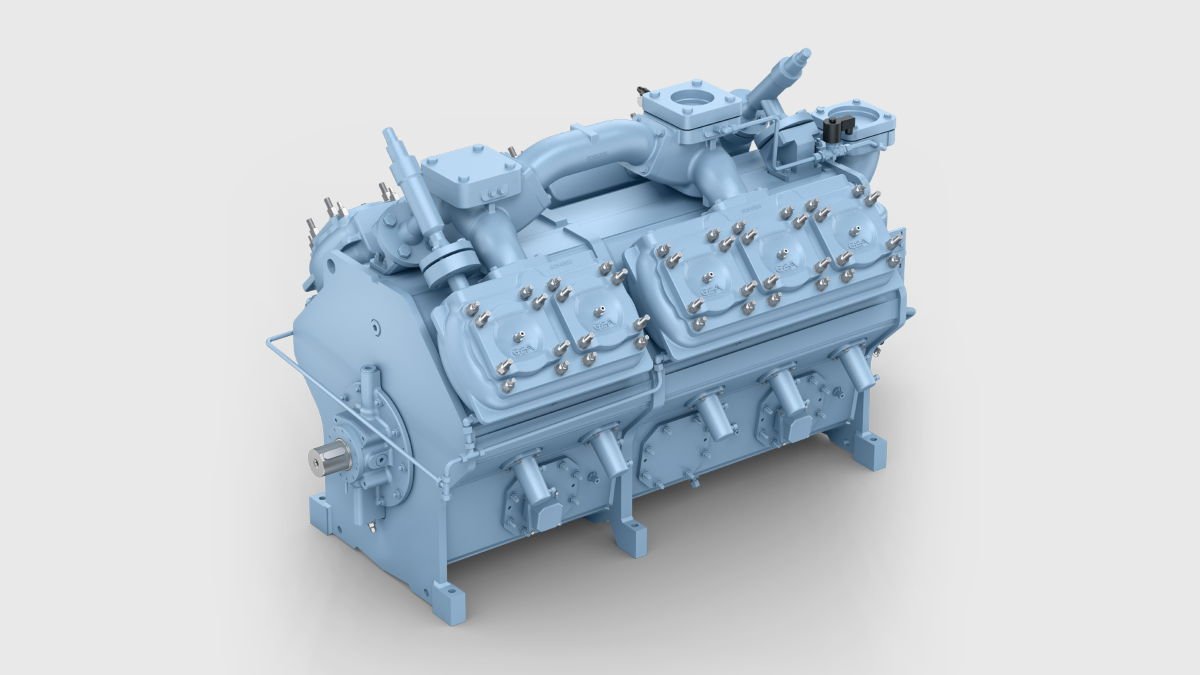
In addition to the ammonia heat pump for the spray dryer, GEA is providing a second heat pump that supplies hot water at 85°C to heat the entire production line and run the various dehydration processes, as well as cold water at 1.5°C to air-condition the factory. GEA’s process technology for the wet line includes state-of-the-art evaporators, inline formula mixers, a homogenizer, high-pressure and high-shear pumps, heat exchangers, valves, as well as all other connecting components and pipework. The heat pump system will provide this process technology with hot and cold water for maximum energy efficiency in operation.