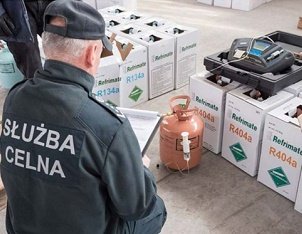
Neutronics, Inc. supplies international customs agencies with refrigerant analyzers to help thwart importation of illegal refrigerants.
Throughout the European Union, there are regulations in effect, such as F-Gas and the MAC Directive, for industries to control the use of fluorinated gases. These regulations encompass various gases and refrigerant blends from those commonly used, such as:
- HFC’s (hydrofluorocarbons)
- CFC’s (Chlorofluorocarbons)
- HCFC’s (Hydrochlorofluorocarbons) and
- HFO’s (Hydrofluoroolefin).
These restrictions are causing price hikes and shortages of refrigerant. As F-gas regulation continues to limit the total amount of gas sold, and as the MAC Directive bans them from being used in newer motorized vehicles, refrigerants are being replaced in favor of those with a lower Global Warming Potential (GWP). This supply and demand struggle is causing a flood of refrigerant violations across the globe. From thefts of refrigerant direct from the manufacturer in large quantities to disguising refrigerant cylinders as different refrigerant types, to reselling smuggled refrigerants online without proper certifications or documentation, these types of activities are becoming a more frequent international problem.
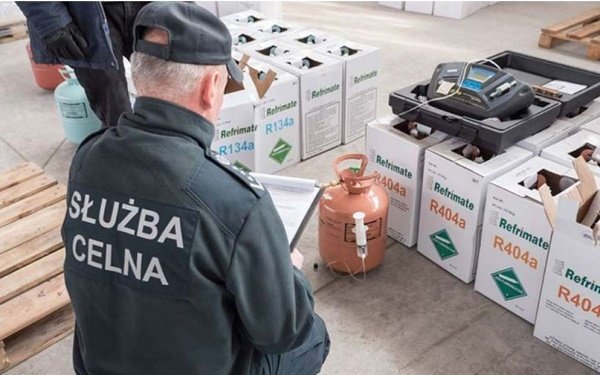
In April this year, authorities intercepted what was considered to be one of the largest seizures in Europe. A shipment containing 25 tonnes of illegal refrigerant worth over $650,000 USD, was discovered in Poland. These illegal smuggling activities are occurring more often. In addition to the environmental impact and breaching F-gas Regulations, these criminal shipments affect the bottom line of the countries in which they occur.
To deter this nefarious activity, the United Nations has developed an initiative to equip customs facilities with refrigerant analyzers. One device used by several customs agencies includes the Neutronics Ultima ID Pro RI-700H Refrigerant Analyzer. This analyzer uses infrared technology to quickly assist agents in accurately analyzing refrigerants to identify counterfeit and potentially dangerous illegal refrigerant replacements before they enter the country. This handheld device allows border agents to quickly identify inaccuracy with the refrigerant and hold the shipments for further evaluation.
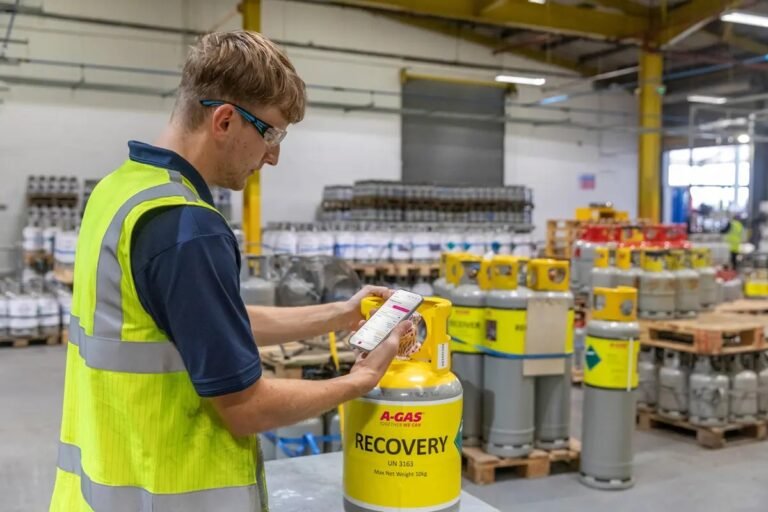
Refrigerant Identification technology is not new. Refrigerant analyzers have been offered for years in the automotive and commercial HVAC-R industry. Many technicians involved in servicing and maintaining air conditioning systems, refrigerant distributors who are buying back recovered refrigerant or reclaim facilities processing recovered refrigerant have been using refrigerant analyzers successfully. It is becoming increasingly necessary to use refrigerant analyzers to check for imported refrigerants with the enacting of stronger, global environmental laws.As these analyzers become more widely used by customs agencies, refrigerant analyzers are playing a pivotal part in combating the illegal refrigerant trade. Recent regulations are causing more illegal imports and refrigerant identification technology is helping to catch this activity.
Illegal refrigerant trade has become such an increasing problem that the United Nations Environment OzonAction, in cooperation with the World Customs Organization and the Ozone Secretariat, have begun to encourage customs and enforcement offices to prevent illegal or unwanted trade of HCFCs and HFCs with the launch of a Global Montreal Protocol award for customs and enforcement agents. This award was created to enhance regional and international cooperation and awareness to help encourage reporting of illegal trade.
The Ultima ID Pro RI-700H may not stop the pilfering or illegal smuggling of refrigerant activity, but it will help customs agencies reduce the importation of illegal refrigerants. The use of this tool will help countries accurately manage the import of refrigerants and hopefully help reduce the environmental and economic impact these gases cause.