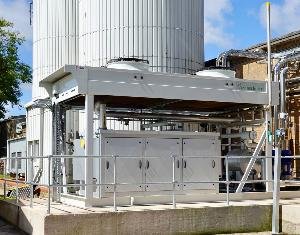
Star Refrigeration has replaced a cheese chill plant for First Milk at the height of Covid-19 restrictions to improve the cheese chilled store operating efficiency by 25% while increasing production throughput by 30%.
Last year, First Milk, the British dairy co-operative owned by the farmers who supply it, invested £3.5 million into upgrading its creamery facility to help achieve its net-zero carbon goals. As part of the refurbishment, an ageing cooling plant at their Aspatria site which ran on R404A – a synthetic refrigerant with high global warming potential (GWP)- was replaced with a zero carbon low charge ammonia chiller.
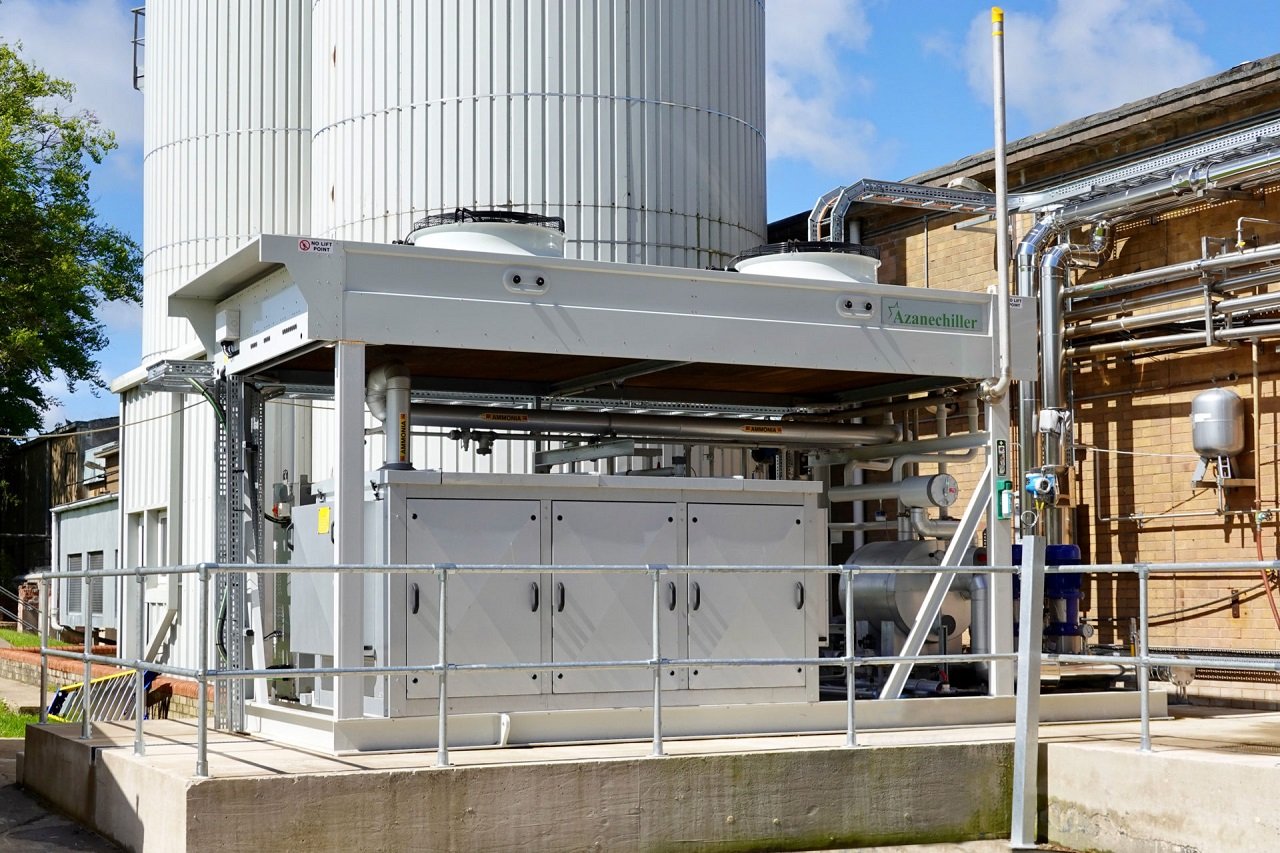
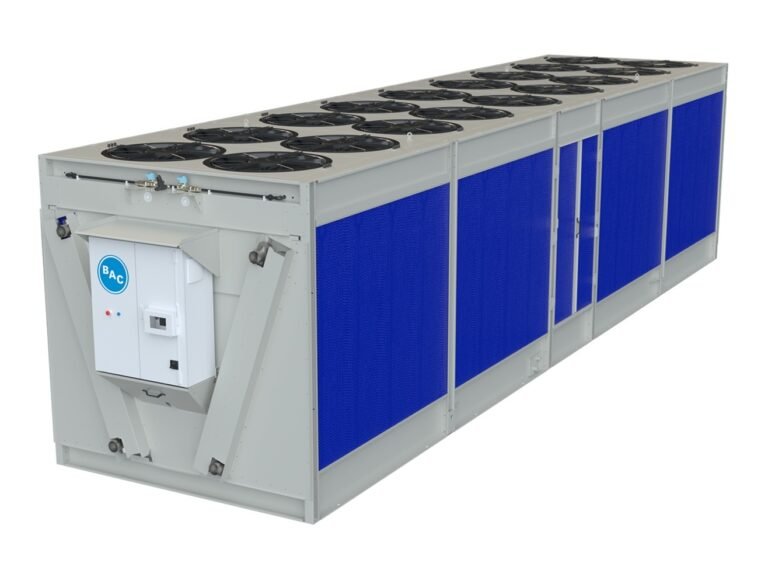
Continuing a nearly 50 year relationship, First Milk entrusted Star Refrigeration’s Newcastle branch to provide a modern low carbon refrigeration plant to fulfil the cooling requirements at the creamery. Star manufactured, installed and commissioned a pre-engineered air cooled Azanechiller 2.0 to work in conjunction with a chilling tunnel to enable the creamery to increase its cheese output by just under 30%.
Ian Wilson Project Engineer from First Milk said, “We worked with Star Refrigeration on our chill plants many years ago – going all the way back to 1976. The current cheese chill store plant which required replacing was installed by Star in 1985, so it’s nice to work with them again as they understand our requirements and can inform us of the new technology available since the original install.”
“The Azanechiller 2.0 boosts the capacity of our chill store plant and offers great efficiency by delivering immediate reductions on our energy costs. This development also helps towards our First4Milk net zero commitments, delivering more efficient and environmentally friendly refrigeration.”
First Milks’ Azanechiller 2.0 has significantly increased the number of cheese blocks their existing RCS (Rapid Cool Store) can process from a core temperature of approximately 30 degrees Celsius to 12 degrees Celsius. The cheese which is held in for 18h to reduce its temperature is then palletised and stored.
With an ammonia charge of just 42 kg/kW and an overall improved operating efficiency of about 25% when compared to new refrigeration systems using HFCs and HFOs, another of First Milk’s Azanechiller 2.0’s benefits is its ability to outstrip the minimum energy efficiency requirements of UK and EU Ecodesign legislation by an impressive 75.2%, slashing the emissions associated with the facility and incurring significant energy savings in the long run.
As the project took place during Covid-19 Lockdown, the Azanechiller’s ‘plug-and-play’ feature helped keep onsite installation hours to a minimum. Efficient lead times with regard to delivery and installation of the unit were maintained by working closely together with its suppliers, staff and customers to neutralise the impact of the coronavirus and Brexit restrictions. This ensured the installation was delivered within the agreed timeframe while complying with relevant health and safety guidelines.
In addition to the design and installation, First Milk have taken a free two-year warranty, a two-year maintenance plan and dial out service for preventative maintenance to allow Star’s aftercare engineering team to remotely monitor plant performance and ensure it is running efficiently. All service and maintenance needs will be met by the nine industrial refrigeration engineers as well as branch management teams at Star’s Newcastle branch, which is located 85 miles from the creamery site.
Star will be able to offer professional and expedient refrigeration plant service to the British farmer-owned dairy co-operative to allow First Milk to solely focus on their vision to create value for members by delivering long-term prosperity in the form of success, profitability, security and well-being.