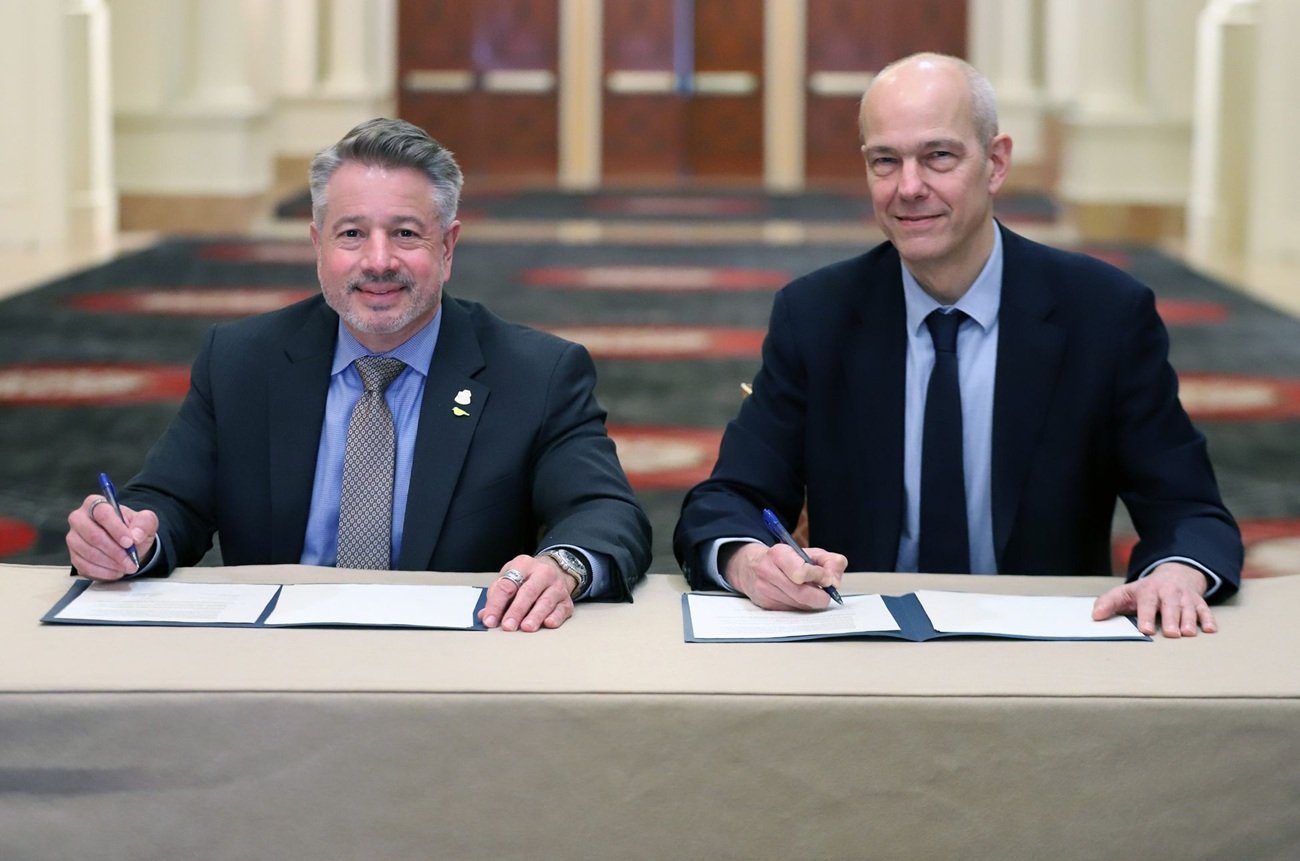
UNEP and ASHRAE have adopted a new two-year work plan focused on Life Cycle Refrigerant Management (LRM), expanding their partnership that has supported developing countries’ transition to non-ozone-depleting refrigerants since 2007. The plan was adopted at the ASHRAE Winter Conference, which concluded on 4 February in Nevada, USA, and it will guide joint projects undertaken through the collaboration.
According to the announcement dated 6 February 2026, the plan calls for joint development of work tools and educational products, and expansion of existing resources that address refrigerants from production to disposal. UNEP and ASHRAE said this is important because refrigerants can affect safety, efficiency, and the environment throughout their life cycle. The new work plan is posted on the ASHRAE-UNEP web portal at
www.ashrae.org/ashrae-unep-portal.
National Ozone Unit (NOU) officials and others involved in cooling technologies are encouraged to use the portal to access tools including self-directed online learning, fact sheets, and checklists intended to improve refrigerating and air-conditioning plant sustainability through improved maintenance. ASHRAE describes itself as the association of refrigerating and air-conditioning engineers who write industry technical standards, including those for refrigerant designation and safe use.
Highlights listed in the work plan include an AI-powered, multi-language mobile “RAC Technicians Field Companion” chatbot application based on the “Assessing RAC Plant Sustainability” Technical Guide; a series of fact sheets covering topics such as benefits of LRM, how to complete energy audits, safe use and handling of flammable refrigerants, and regulatory requirements related to flammable refrigerants; and updates to existing joint educational products, including Energy Efficiency Literacy, Refrigerants Literacy, a University Course Pack, Assessing RAC Plant Sustainability checklists and guidance sheets, a Refrigerant Update Factsheet listing refrigerants with ASHRAE R designations, safety classifications and Global Warming Potential, and the Lower GWP Award case studies.
“The partnership provides specialized products and services that help developing nations manage refrigerants responsibly, meeting obligations under the Montreal Protocol while also advancing energy efficiency,” said Jim Curlin, Head of UNEP’s OzonAction Branch.