World Cup stadium cooling technology and CO2 emissions
The 2022 FIFA World Cup began on 20 November in Qatar, when temperatures generally start falling heading into winter. Nevertheless, temperatures in the Gulf are still likely to reach upwards of 26 degrees Celsius. To bring the temperature down to a temperate 18-24 degrees Celsius, the stadiums have been equipped with innovative cooling technology.
Architectural optimisation and targeted cooling
Spearheaded by Dr Saud Abdulaziz Abdul Ghani, Professor of Mechanical Engineering at Qatar University, the stadiums were built using an adaptive aerodynamic design that can support the cooling process within the stadium rather than work against it. For example, the opening at the top of the stadium has been optimised to ensure warm air does not enter the arena. The roofs are large enough to provide significant shade to reduce the burden on the cooling systems. Also, the façade of the Al Bayt stadium has been changed to a lighter colour, allowing to reduce the temperature by 5°C compared to a darker façade.
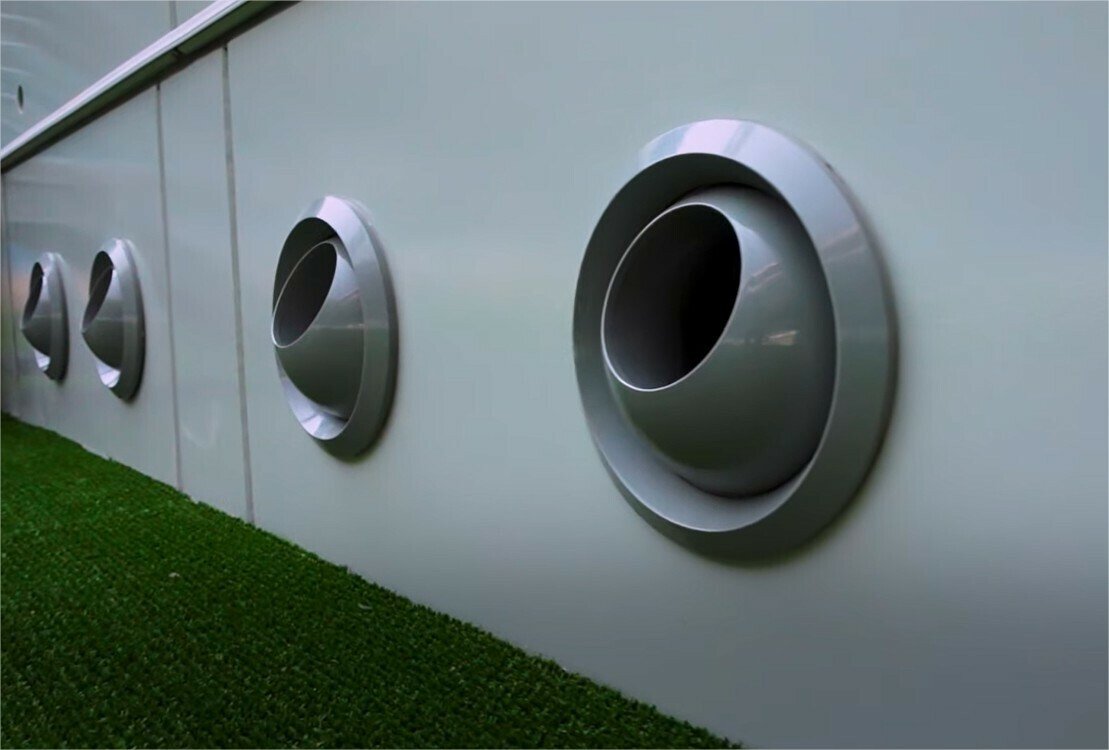
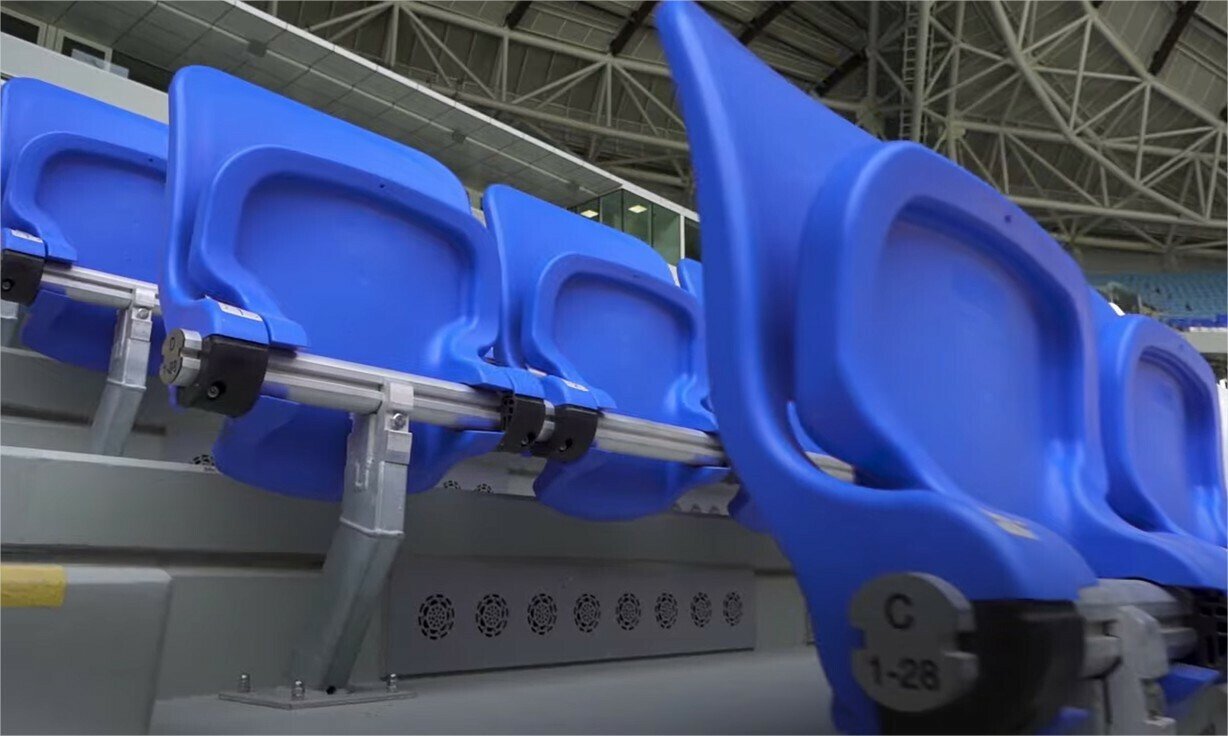
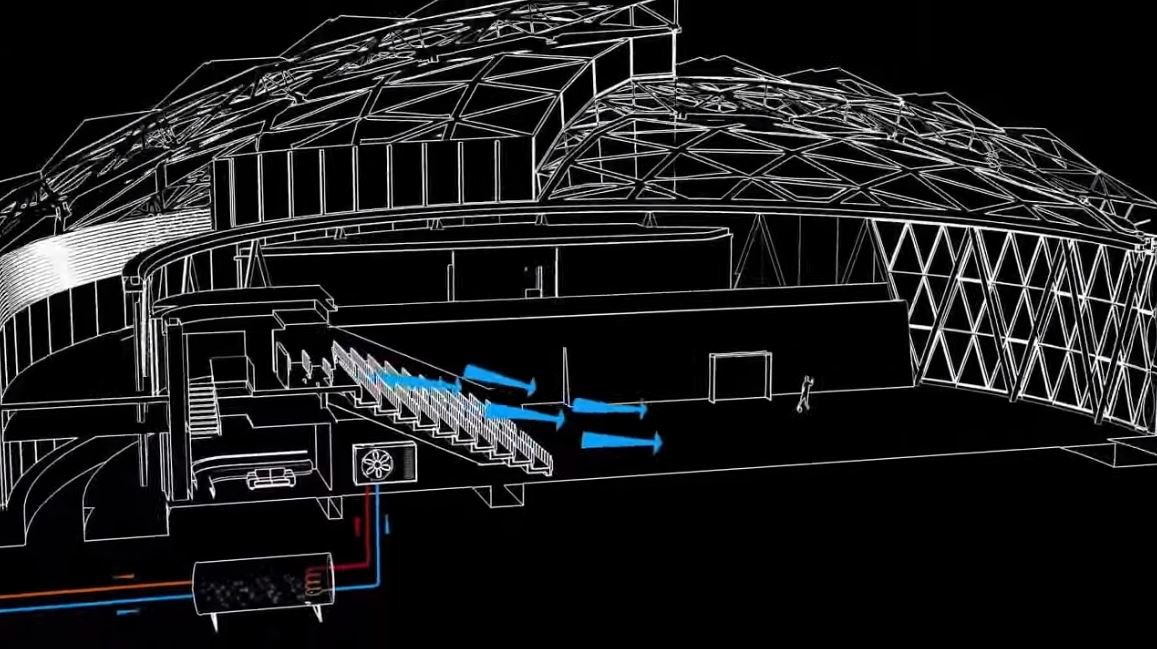
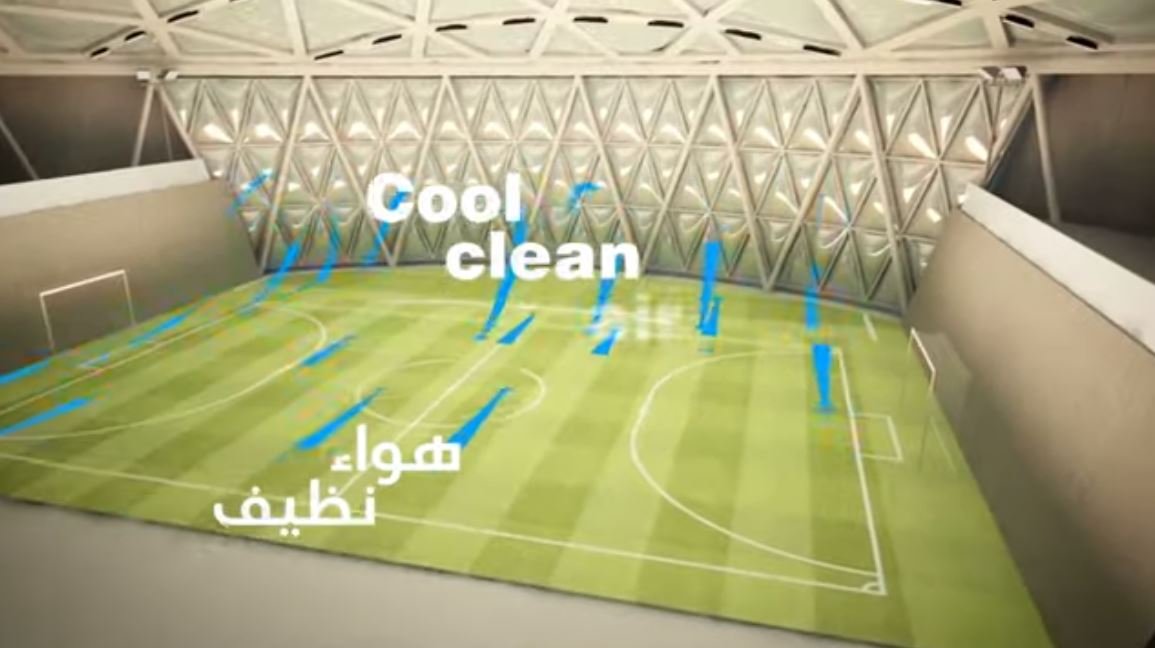
For the cooling system itself, it was decided that it was not necessary to cool the entire stadium but only the spectators and the playing field. In practice, diffusers blow cold air onto the field while smaller elements, located under each fan's seat, blow air at ankle height. In addition, there is a recycling system in the cold air, which is cooled twice before being expelled outside, reducing the absorption of hot outside air. According to Dr. Saud's team, this cooling technology is 40% more sustainable than existing techniques. Stadiums only need to be cooled down two hours before an event, which reduces energy consumption compared to other methods.
GHG Emissions from cooling during the World Cup
The three organisers of the event, FIFA, FIFA World Cup Qatar 2022 LLC (Q22), and the Supreme Committee for Delivery & Legacy (SC) have pledged to measure, mitigate and offset all FIFA World Cup 2022 greenhouse gas (GHG) emissions, while advancing low-carbon solutions in Qatar and the region. To this end, FIFA, Q22 and the SC have conducted an analysis of the projected GHG emissions resulting from the FIFA World Cup 2022, available online.
According to their report, indirect GHG emissions from purchased electricity, heating and cooling will amount to 37,216 tCO2eq, or 1% of total emissions from all phases of the World Cup, including the preparatory and post-tournament phases (April 2011 to June 2023).
We use cookies to enhance your experience by remembering your preferences and repeat visits. By clicking “Accept,” you agree to the use of all cookies. Learn more Privacy Policy.