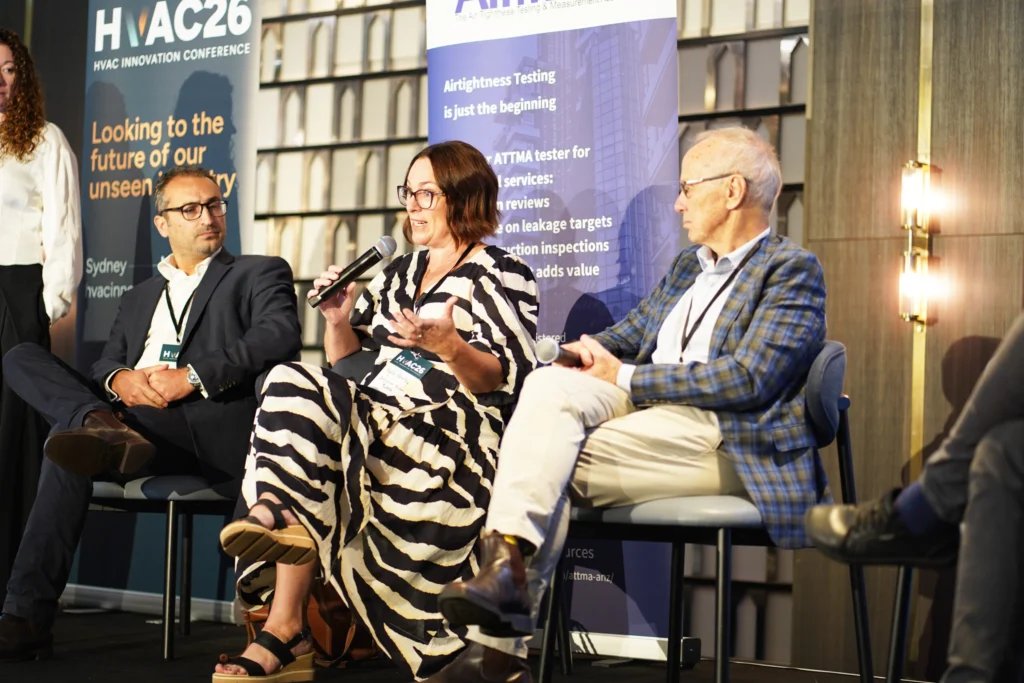
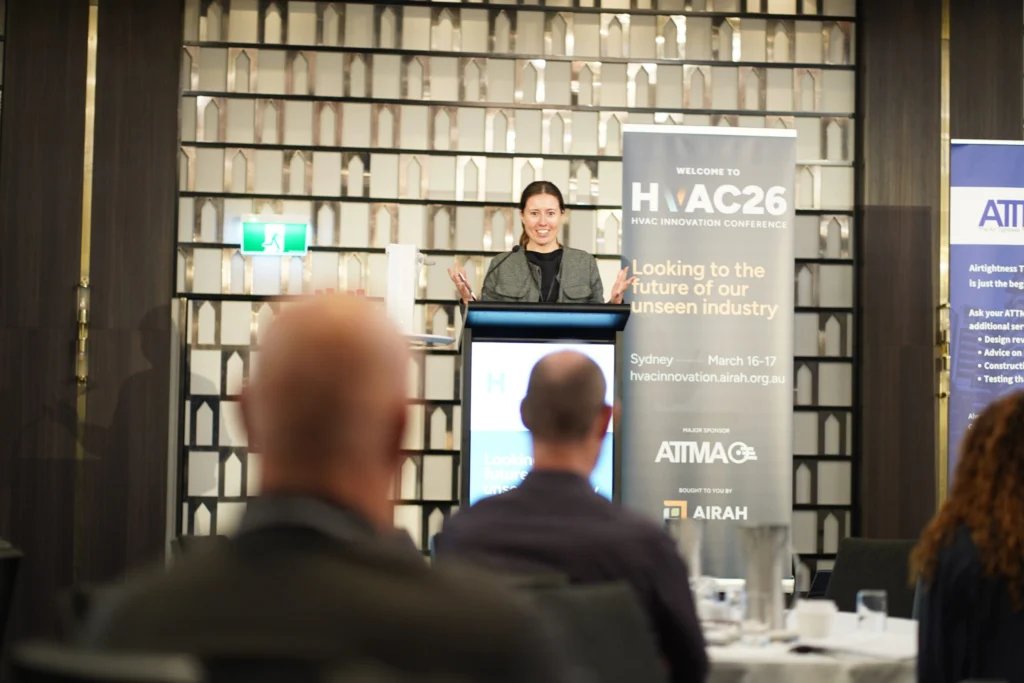
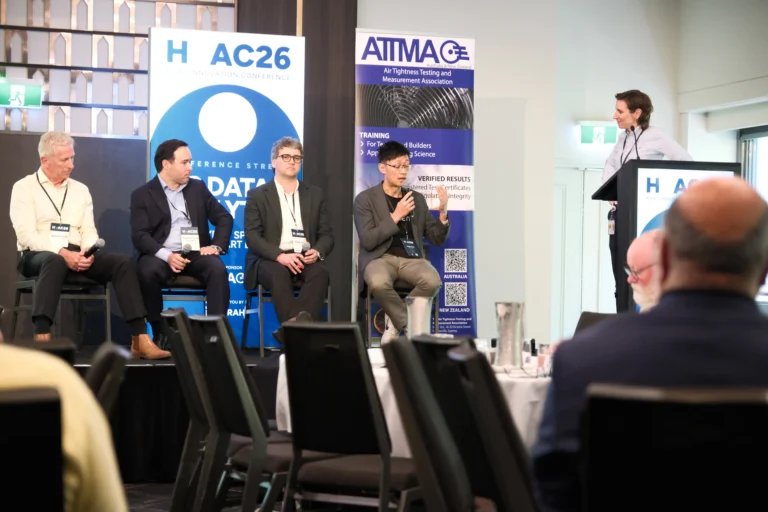
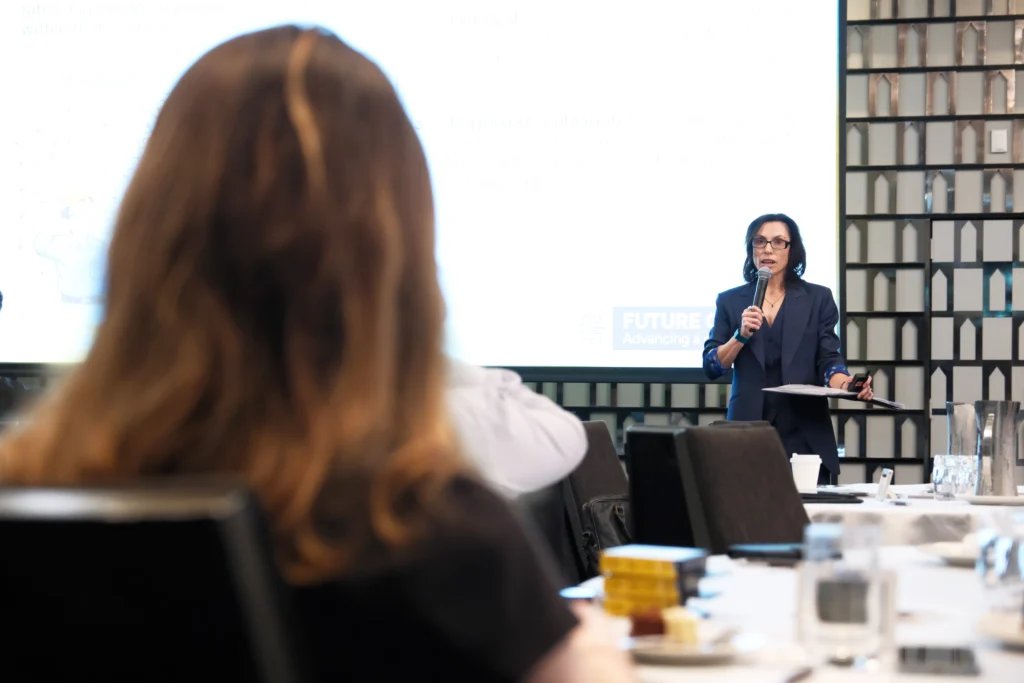
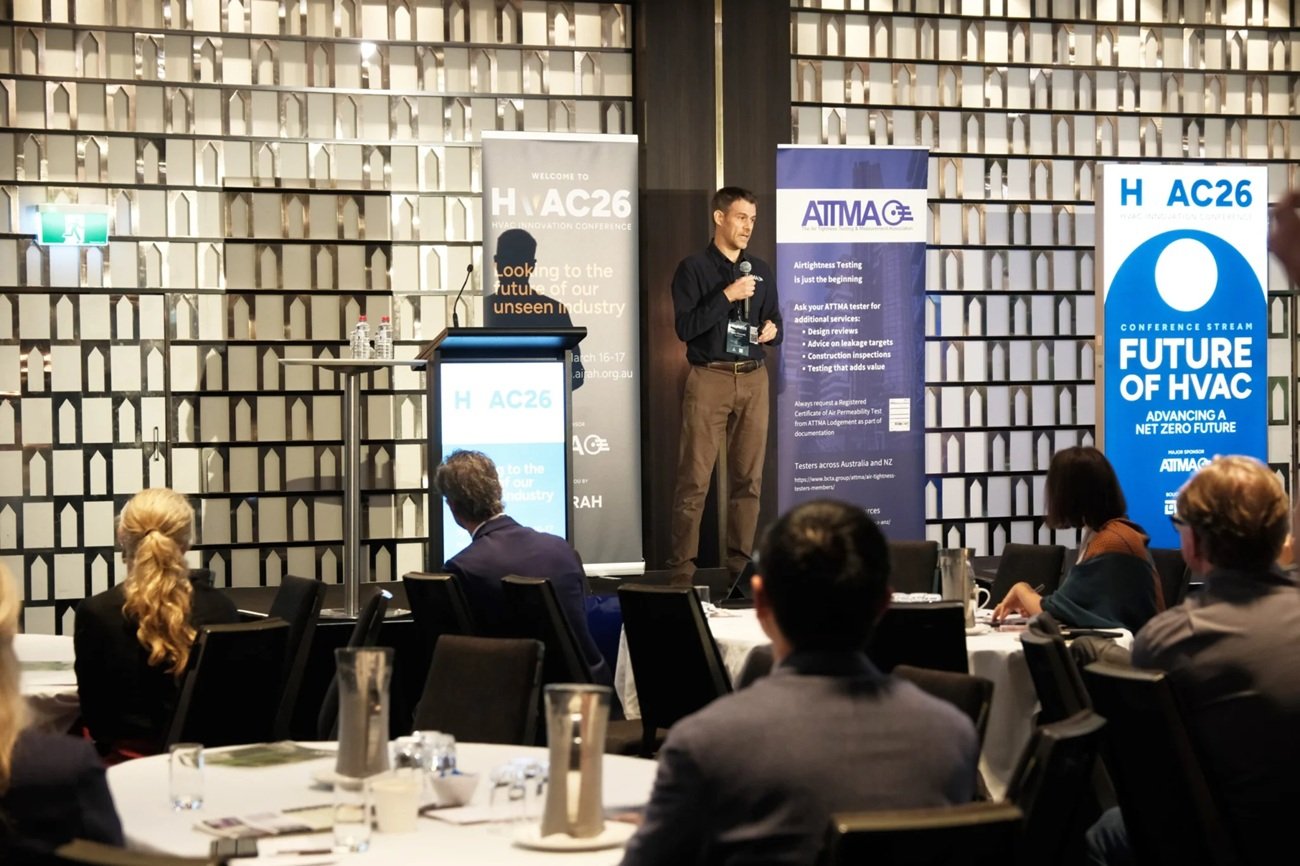
AIRAH’s 2026 HVAC Innovation Conference brought together about 200 attendees in Sydney, Australia, on March 16–17, combining the Future of HVAC, Building Physics Forum, and Big Data and Analytics Forum. According to AIRAH, the event highlighted how HVAC&R is becoming more visible in modern buildings, with discussion focused on system performance, safety, and environmental responsibility.
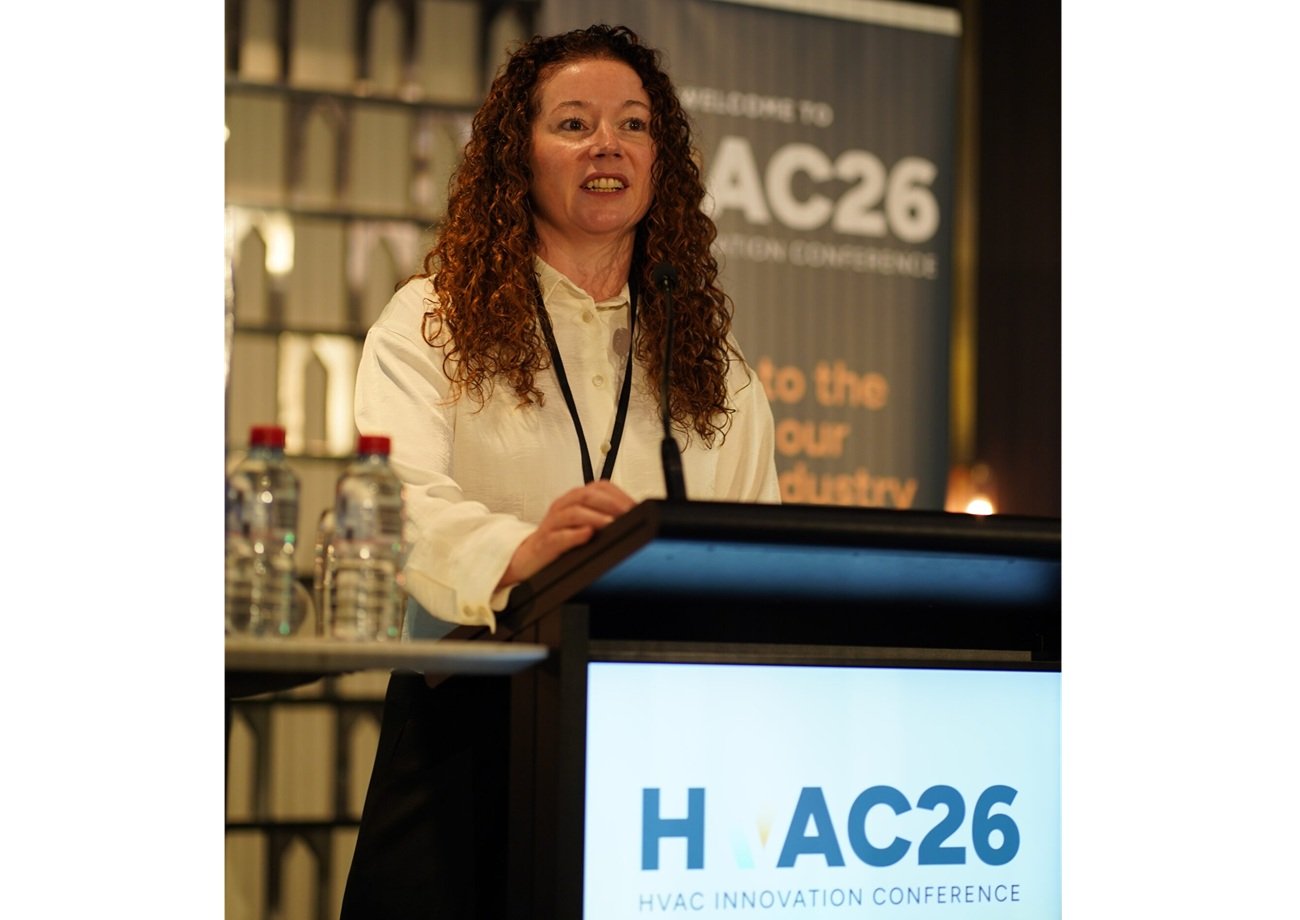
Opening the conference, AIRAH President Mikaila Ganado said HVAC has a major role in supporting occupant wellbeing and comfort while protecting the environment. Adrian Piani, CEO of the Australian Building Codes Board, outlined the 2025 National Construction Code, due to be published on May 1, and described a five-year process that will include code simplification and greater integration with technologies such as AI. US-based speaker Joe Lstiburek also addressed building codes, airtightness, balanced ventilation, air conditioning, and insulation.
Indoor air quality was a recurring theme. Presentations covered “equivalent” CO2 as a metric for IAQ, an air decontamination case study at Echuca Regional Health, and expert commentary on the latest version of Australia’s mechanical ventilation standard, AS 1668.2. Day two also focused on data centres, including discussion of the Clean Energy Finance Corporation’s report Getting the balance right and a session on filtration in data centres.
Electrification and grid interactivity also featured prominently, with case studies and sessions covering the Sydney Opera House, building heating electrification, and OT infrastructure for grid interactivity. Other presentations addressed the Commercial Buildings Electrification Roadmap, thermal bridging, air leakage, NABERS Energy changes, the updated Trajectory for Low Energy Buildings, refrigerant selection and shortages, and HVAC&R skills gaps.
“The HVAC Innovation Conference is AIRAH’s flagship national event, so it’s fantastic to have it back on the calendar,” said Julia Bassal, AIRAH Conference and Events Coordinator. “Over the two days we had about 200 attendees, with lots of conversation and sharing across the three streams of the conference. The feedback from the audience and the speakers has been extremely positive.”