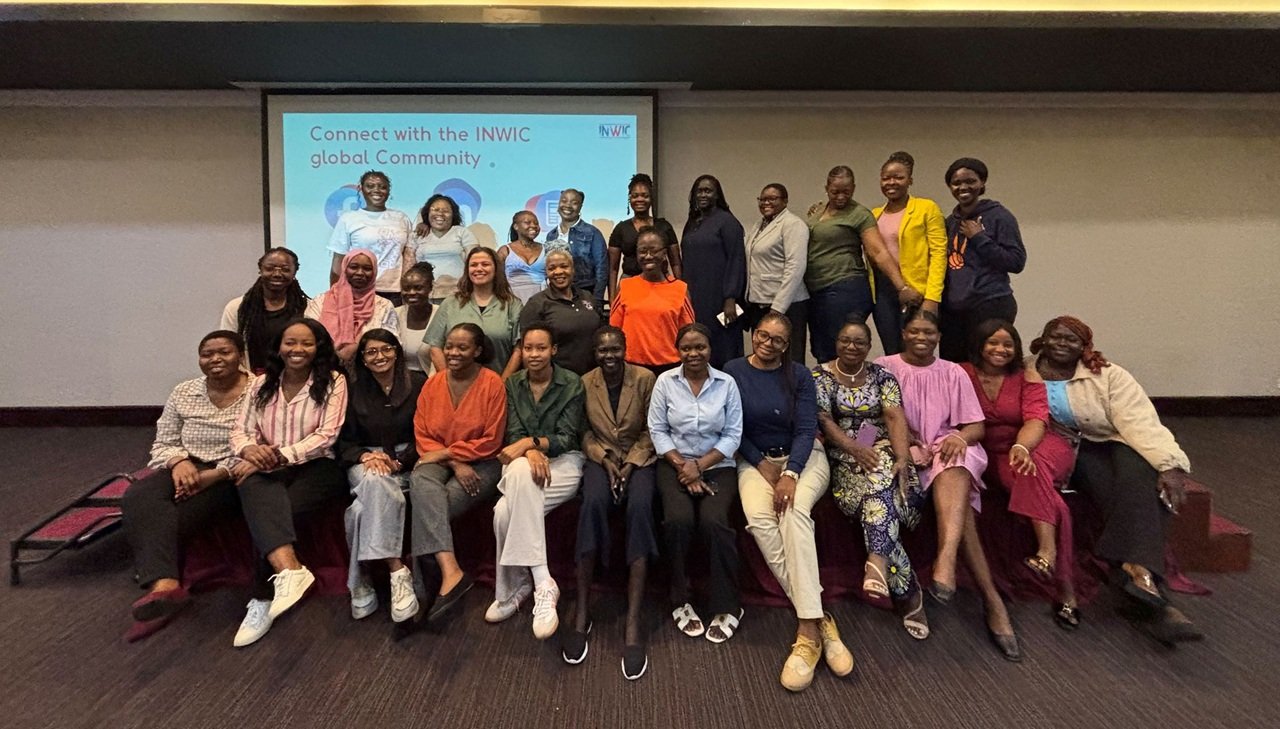
A regional workshop held in Kigali, Rwanda from 12–14 November 2025 brought together female refrigeration and air-conditioning (RAC) technicians from Anglophone African countries to strengthen technical skills, promote collaboration, and advance gender equality in the sector. The event was organized by the Rwanda Environment Management Authority (REMA) in partnership with the United Nations Environment Programme (UNEP) OzonAction Compliance Assistance Programme (CAP), with funding from the Multilateral Fund of the Montreal Protocol.
REMA Executive Director Juliet Kabera opened the workshop, emphasizing Rwanda’s support for empowering women in the cooling sector and encouraging active engagement. The event followed the 2023 regional training in Cairo and responded to continued calls for capacity-building and increased visibility for women in RAC servicing. It aligned with UNEP CAP’s 2025 Workplan, which includes regional cooperation and gender integration in national RAC programmes.
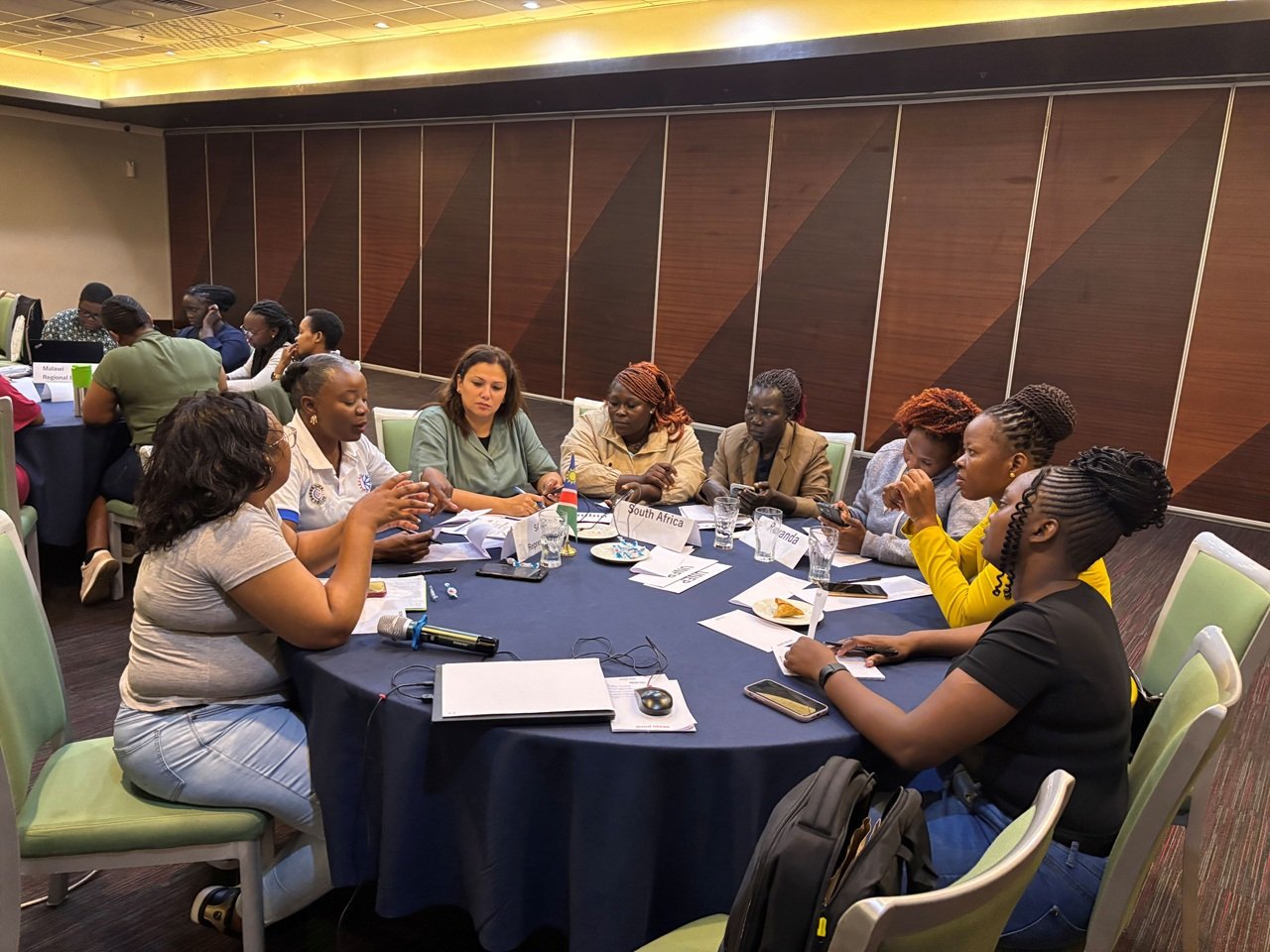
The workshop hosted 27 female technicians, UNEP staff, regional experts and trainers. Sessions focused on technical training, gender mainstreaming, and improving access to professional opportunities. Participants shared national updates on progress since the Cairo meeting and explored ways to scale up initiatives.
Technical expert Omar Abdelaziz, co-chair of UNEP’s Refrigeration Technical Options Committee, presented on emerging technologies, refrigerant trends, and policy developments. Topics included the Kigali Amendment’s HFC phasedown, energy efficiency standards, digitalization, refrigerant properties, and safety standards under ISO and ASHRAE.
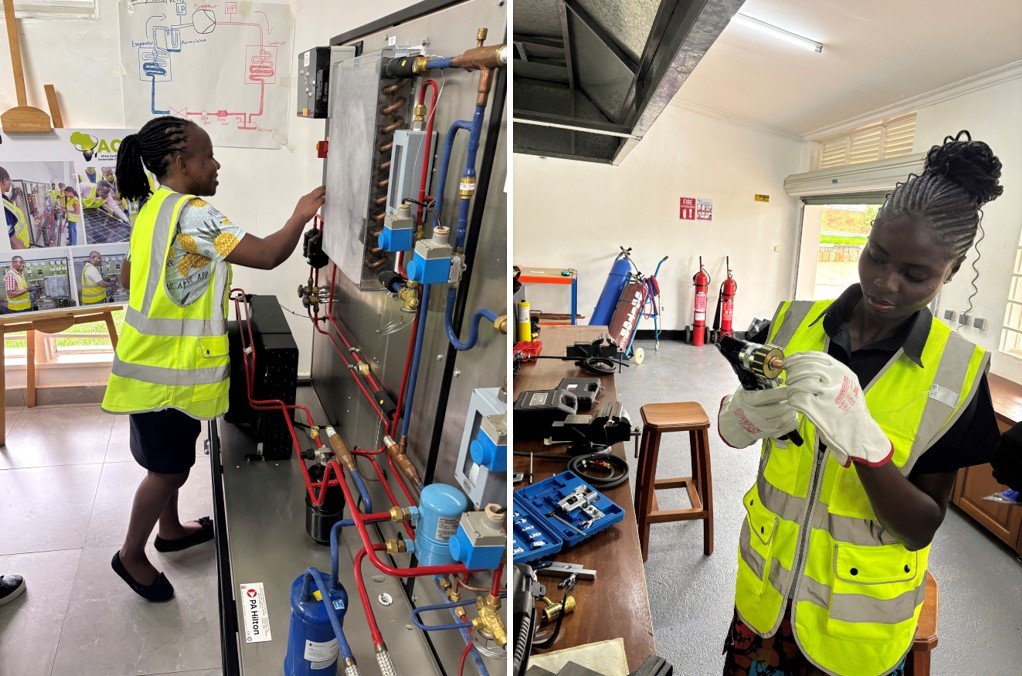
On the final day, attendees received hands-on training at the Africa Centre of Excellence for Sustainable Cooling and Cold Chains. They practiced refrigerant handling, leak detection, pressure testing, system retrofitting, and recovery procedures. The visit offered exposure to modern cooling systems and highlighted the importance of safe, climate-friendly practices.
Participants adopted 20 recommendations to enhance technical competence and women’s leadership in the sector. These included annual workshops, national focal points, women-led RAC associations, participation in training programs, regional surveys, education outreach, and greater engagement with visibility platforms such as the International Network for Women in Cooling (INWIC).
"Skill has no gender," said Mary Kapeta, refrigeration technician and supervisor at ESCOM in Malawi, urging women to pursue careers in the field with confidence. The workshop concluded with a joint call by UNEP and the Rwandan government for sustained collaboration and inclusive skills development.
Source