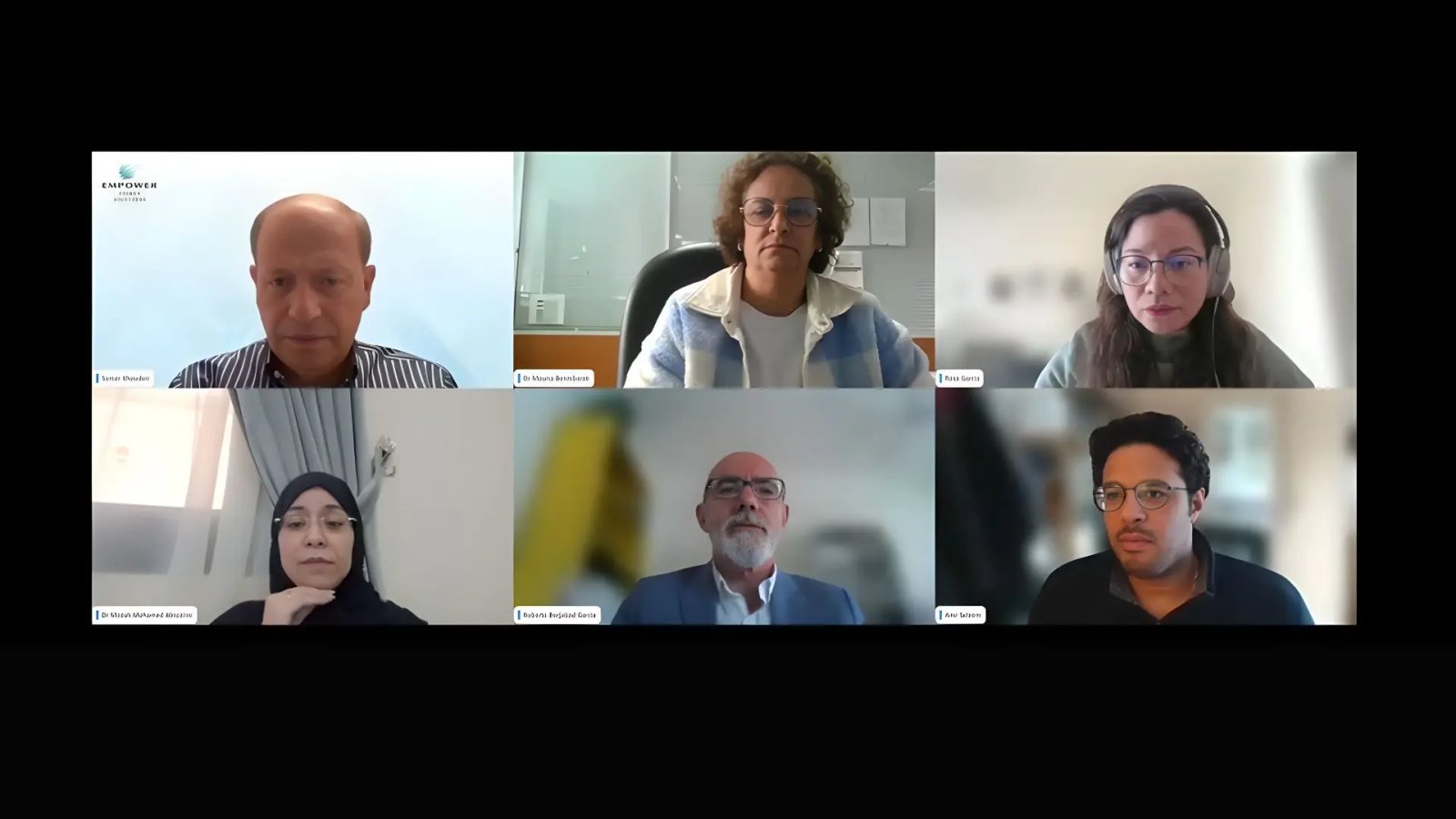
UNEP launched a methodology for National Cooling Action Plans in the Middle East and North Africa at a UNEP Cool Coalition Cool Talk on 10 March 2026. Developed with the Regional Center for Renewable Energy and Energy Efficiency and funded by the Climate and Clean Air Coalition, the framework adapts the Coalition’s global NCAP approach to regional conditions including extreme ambient temperatures, rapidly expanding building stock, cold-chain gaps and grid systems under severe peak-load pressure.
UNEP said NCAPs are designed to connect climate commitments with implementation across energy, buildings, urban planning and cold-chain policy. Roberto Borjabad Garcia, Programme Manager at the UNEP Cool Coalition, linked the plans to the Global Cooling Pledge, which has been signed by 74 countries and 225 cities and targets a 68% cut in cooling-related emissions by 2050.
RCREEE’s Dr Mostafa Hasaneen presented the MENA methodology as a three-stage process covering contextual assessment and planning, cooling demand assessment, and synthesis across the full cold chain. He said a Regional Technical Advisory Group of twelve MENA countries has been established and that Djibouti will be the second country to apply the methodology, with a kick-off expected within a month. Morocco is also advancing its NCAP, with modelling on the LEAP platform for 2014-2050 and a process involving twelve ministries and private-sector engagement.
Speakers also outlined delivery and finance examples linked to cooling policy. Emirates Central Cooling Systems Corporation said Dubai’s Demand Side Management Strategy targets 40% district cooling penetration by 2030, while the African Development Bank said its current cooling work includes a USD 1 million technical assistance grant for a sustainable district heating and cooling system at the Bab Saadoun medical complex in Tunis, support for Tunisia’s NCAP development, and a programme in Egypt focused on efficient refrigerators and air conditioners.
“If we ensure coherence between fostering diverse cooling alternatives, reducing dependency on energy-intensive applications and supporting climate mitigation, we have a complete national cooling action plan that accommodates both energy security and decarbonisation,” Hasaneen said.
The next Cool Talk, “Cooling Beyond Cities: Scaling Rural Space Cooling and Thermal Comfort,” is scheduled for 31 March 2026.
Source